ancient wisdom
26 articles
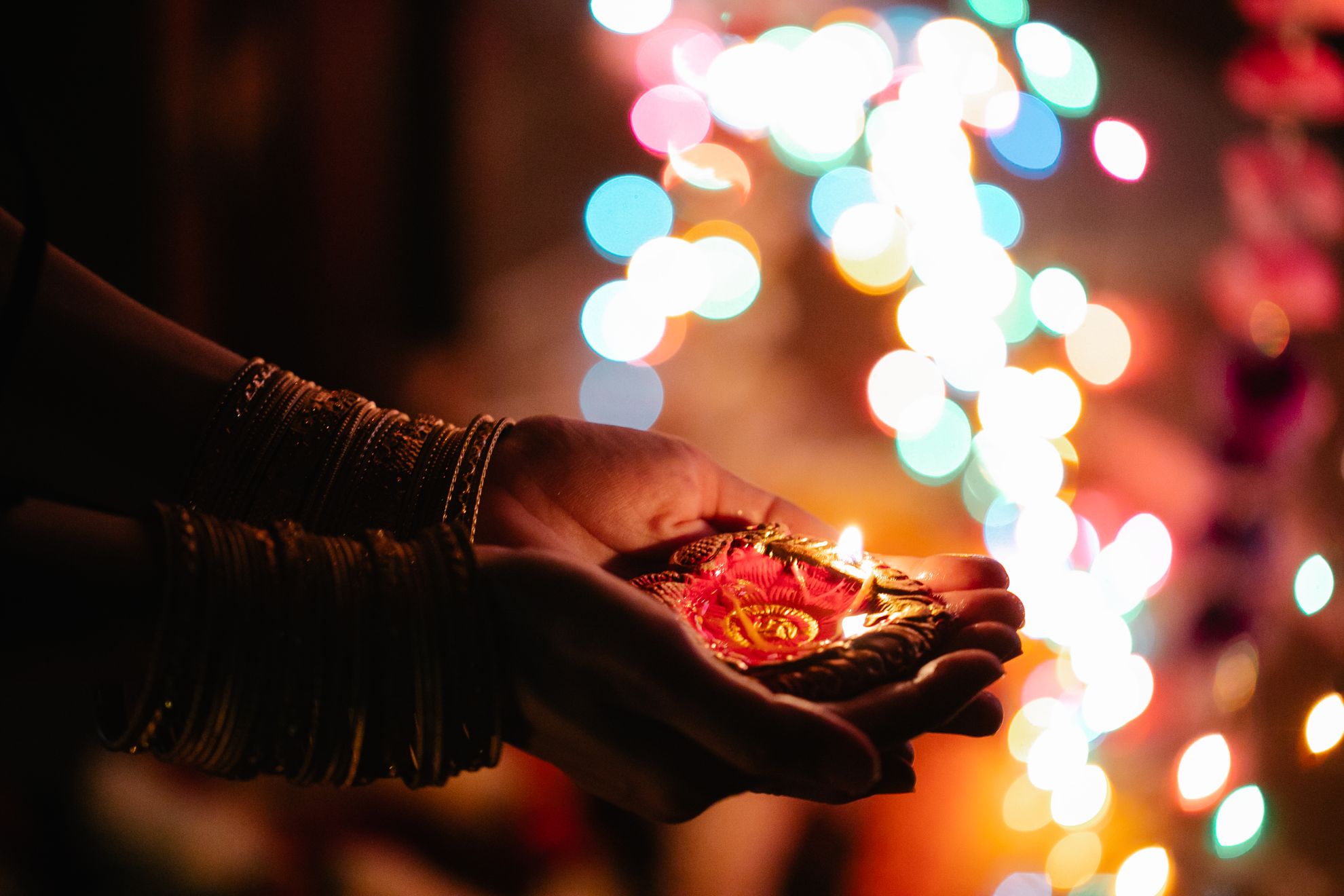
Tantra Illuminated: What Christopher Wallis Taught Me About Living As The Practice
A chance encounter with the author of a dense, luminous text on tantric philosophy shifted something fundamental, not into overwhelm, but into the quiet relief of realizing that vastness is an open door, not a locked one. If you've ever sensed there was more beneath the surface of what you've been taught about tantra, this is the book, and this is the conversation that might just change everything.
More tagged “ancient wisdom”
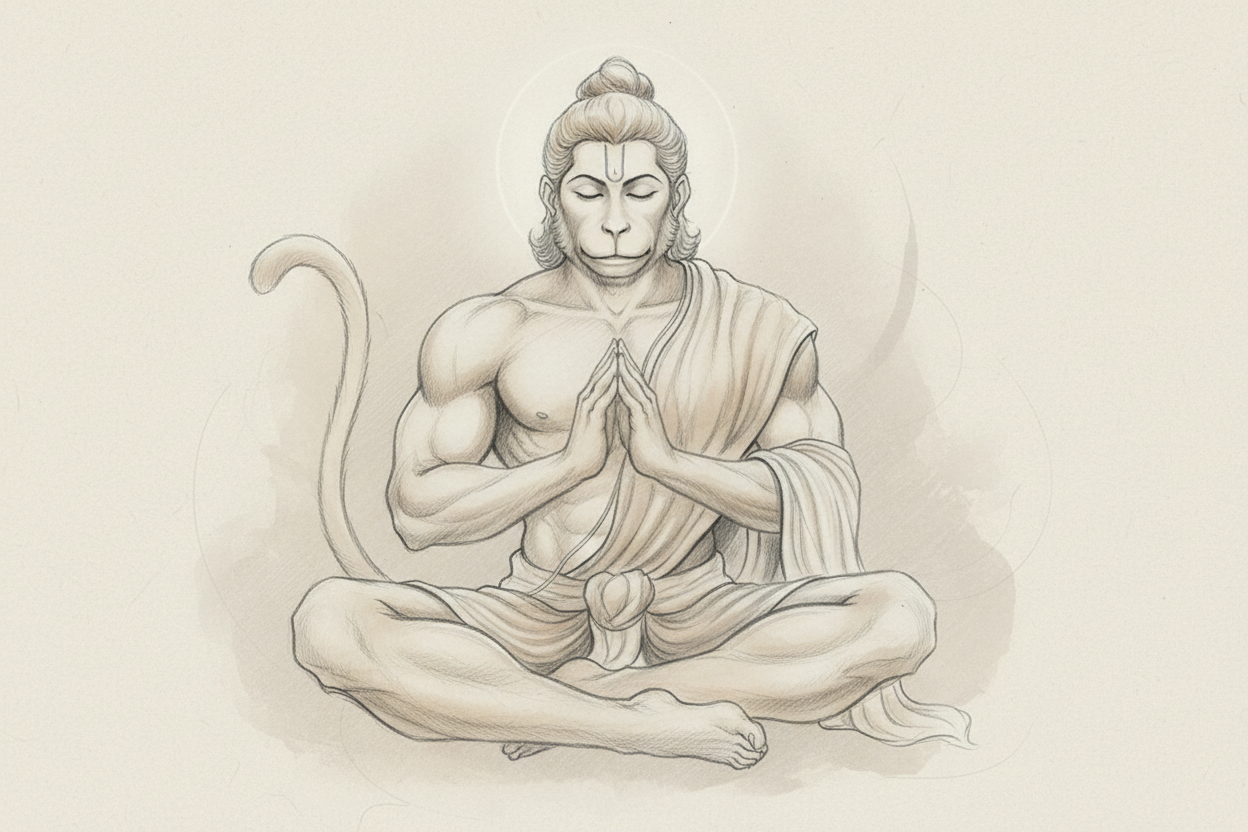
Hindu Deities in Yoga: The Ancient Stories Living Inside Every Pose and Practice
Every yoga class I loved as a student, truly loved, the kind where you roll up your mat a little changed, had one thing in common. A story. Not the anatomical kind ('now we're going to create external rotation in the hip socket'). The ancient kind. The kind where a teacher would begin with: there is a story about...And something in the room would settle. Everyone would shift slightly on their mats. A collective leaning in.

How Your Body's Hidden Wisdom Keeps You Balanced: The Life-Changing Science of Homeostasis
There is something happening in your body right now that you are not consciously directing. Your heart rate is adjusting. Your breathing is shifting. Hormones are being released and reabsorbed. Temperature is being regulated. Blood is being routed. All of it, simultaneously, without a single deliberate thought from you.

How I Finally Got My Dream Body (And Why It Had Nothing to Do With a Diet)
A Warning and an Invitation: if you are here for a quick fix, read on no more. I mean that kindly. There are plenty of places on the internet that will sell you one. This is not that place. But if you are exhausted by quick fixes. If you have tried them, lost count of how many, and arrived here with a particular kind of tired that goes deeper than fatigue, the tired that comes from fighting something for decades and not winning, then you are exactly where you need to be.

The Architecture of Awareness: Using Yoga as a Framework for Self-Study
Self-awareness is rarely accidental. It is built: slowly, deliberately and through practice. What drew me to yoga was movement. What kept me there was something far less visible: the framework it offered for understanding myself.
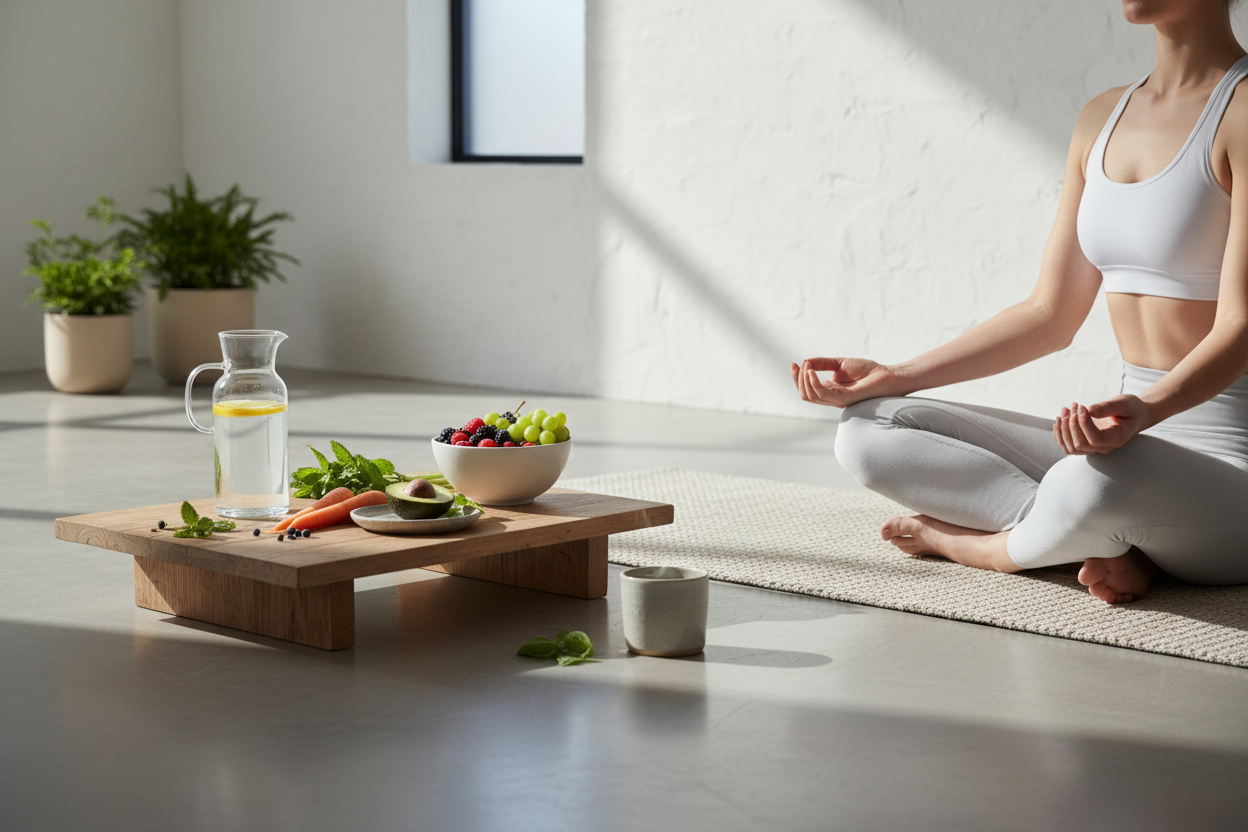
Softening the New Year: A Devoted Approach to Wellness
This isn’t a fitness routine. It isn’t a fad diet, calorie counting, or a 30-day reset. It’s something quieter, deeper, and far more sustainable. It’s a relationship. A relationship with your body, built on understanding rather than control.
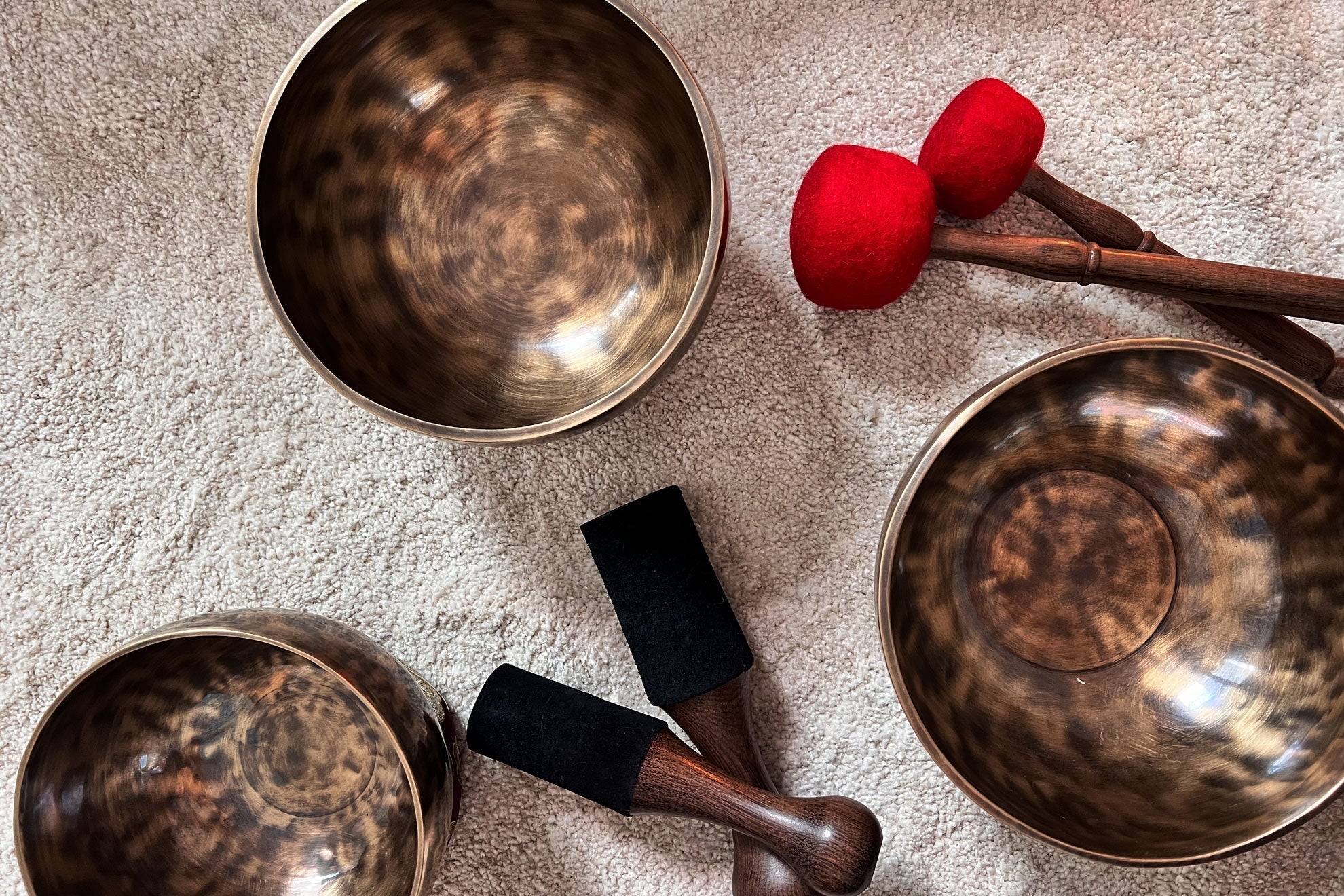
A Symphony of the Self: The Science and Soul of Sound Medicine
“Every illness is a musical problem; the healing, a musical solution.” In our modern world, we often perceive our bodies as solid, static structures. Yet, if we look closer, through the lens of both ancient wisdom and modern physics, we find that we are actually a symphony of oscillatory patterns. From the rhythmic beat of our hearts to the subtle hum of our cellular membranes, every cell, tissue, and organ in the human body possesses its own unique resonant frequency.

The Revelations Found in Astrology and Human Design
I’ve always believed that self-inquiry can be a portal. Sometimes that portal is meditation. Sometimes it’s heartbreak. Sometimes it’s travel, long and lonely and bewildering. But recently, it came in the form of something unexpected:Running my astrological birth chart and my human design through ChatGPT.

Astrology, Human Design, and the Desire to Understand Ourselves
There are times when self-understanding doesn’t come from doing more, fixing more, or striving harder, but from seeing yourself clearly for the first time. Recently, I explored both my astrological birth chart and Human Design, not to predict the future, but to understand myself more deeply during a period of transition. What unfolded wasn’t instruction or certainty, but recognition. This reflection explores what these systems are, why so many are drawn to them right now, and how they can offer permission to embrace the parts of ourselves we’ve often tried to override.

What You Consume Matters; Food, Ideas, Beliefs & The Story You Live
You are the creator of your experience. Everything you consume, food, ideas, thoughts, and beliefs, shapes not just your body, but also your brain, your mood, and your reality. We used to read stories that took us into imagined worlds. Today, we scroll through feeds hoping something will make us feel. However, passive consumption creates noise, doubt, and fragmentation. This blog invites you to become active and choose what you consume, so your mind, body, and spirit are lifted, not drained.

Listening Beneath the Mind: Yogic Practices to Heal the Samskāras That Shape Our Lives
We all carry stories that feel so familiar they might as well be our own voice, the subtle doubts, the quiet assumptions, the emotional reactions that rise before we even have a chance to choose differently. In the yogic tradition, these inherited imprints are known as samskāras: subliminal impressions carved into us through repetition, experience and unexamined memory.

The Yogic Path of Remembering: Seeing Beyond Samskaras and Old Narratives
There are moments in life when you realise that what you are reacting to is not the situation in front of you, but the echo of something much older.A familiar sting.A tightening in the chest.A story your body remembers even if your mind has forgotten its origin.
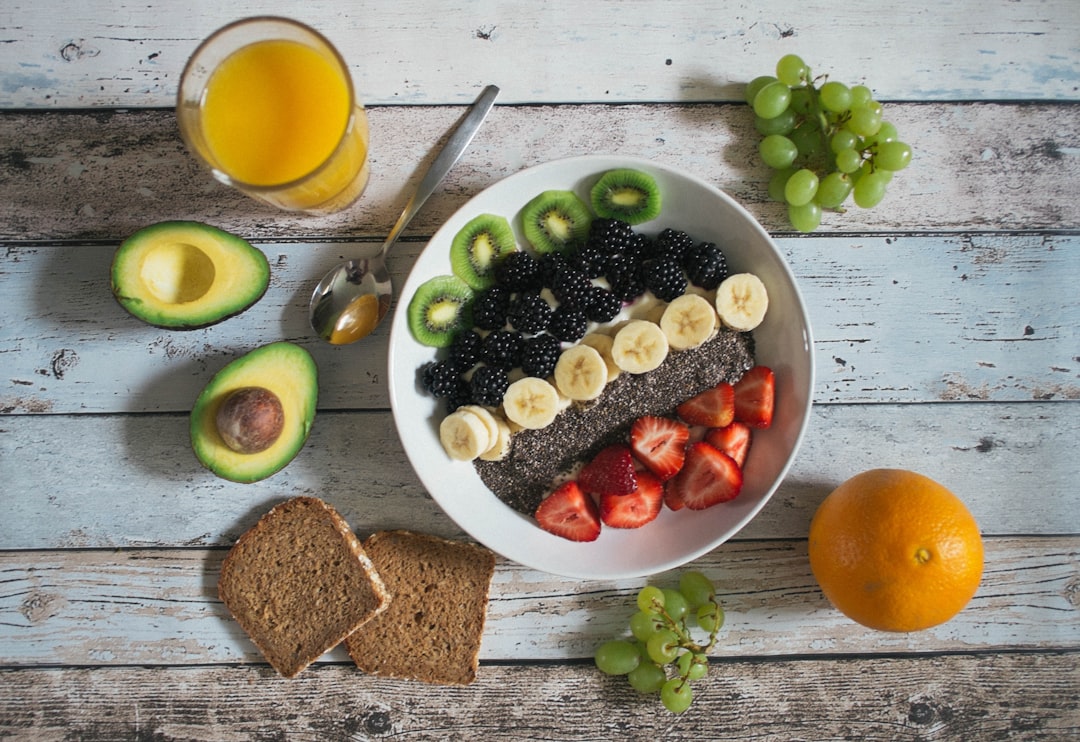
Eating for Longevity: How Modern Science Confirms Ancient Wisdom
Beyond fad diets and marketing trends, both science and ancient Ayurvedic wisdom tell us the same truth: real, whole food can heal. Studies now show that balanced, minimally processed diets improve longevity, brain health, and emotional stability. Ayurveda has been teaching this for millennia: food is medicine, and the way we eat is a mirror of how we live.
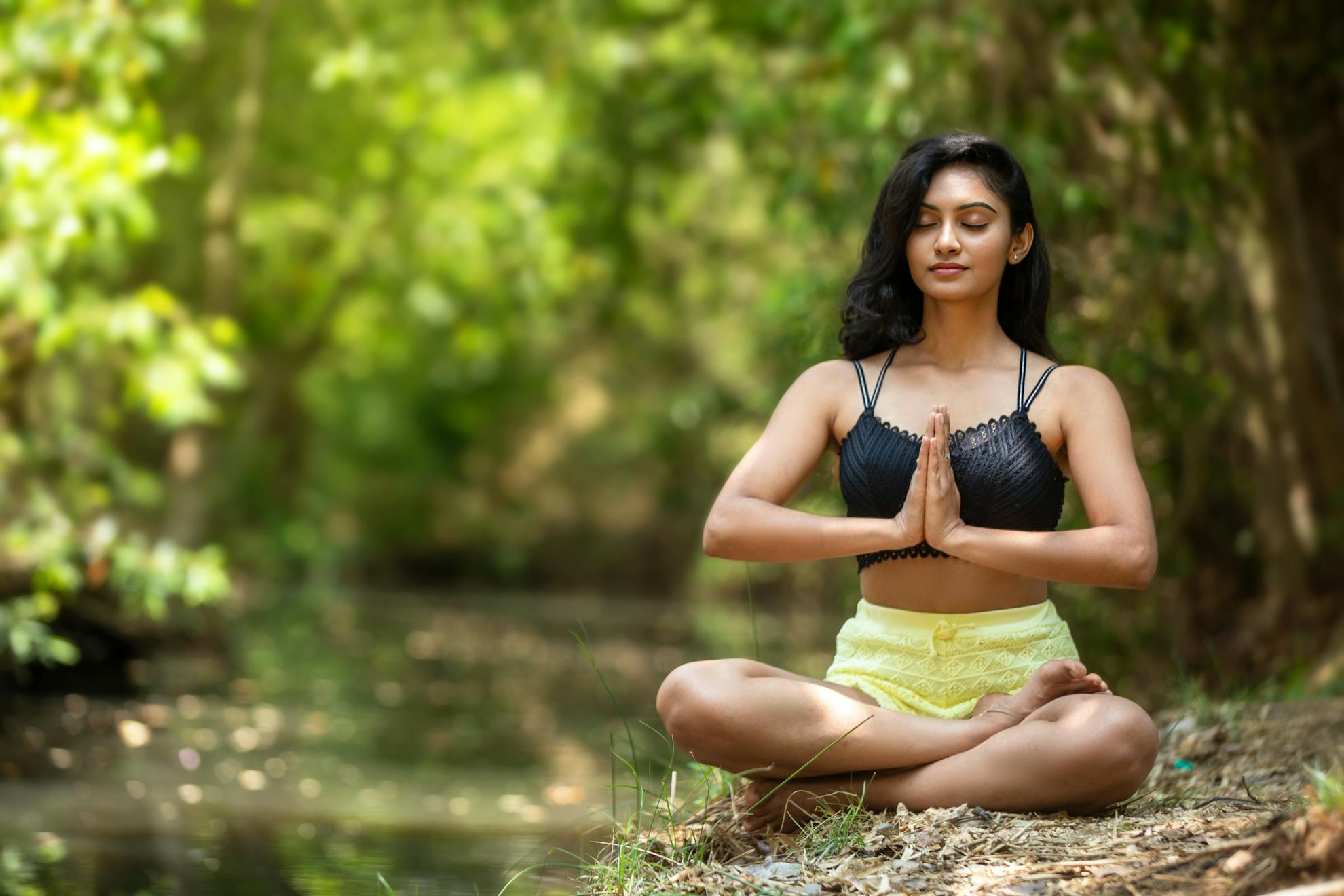
Yoga: Unlocking the Inner Technology of Consciousness
We often think of technology as something external, built, coded, controlled. Yet long before the hum of machines and the glow of screens, there existed another kind of technology: one that required no devices, only awareness. Ancient yogis discovered that within each of us lies an intricate network, a system of energy, emotion, and intelligence, capable of profound transformation when we learn how to access it.

Meditations as Portals: Shifting the Mind, Soothing the Body
We spend much of our lives replaying the past, thoughts become familiar, feelings become habitual, and the body begins to live in cycles of memory. What feels like “just the way things are” is often simply a loop of remembered emotions.

Learning to Trust Through Love
We often speak of love as something we either have or don’t, something we fall into or out of. Yet few of us pause long enough to consider its deeper purpose. What if love is not the destination, but the lesson itself?
The Things I thought I needed (and what I actually found)
When I set out on what I half-jokingly called my adult gap year, I had a very clear picture of what I was chasing. I wanted adventure. Something new every day. A change of scenery. Access to incredible things for my photography.
When People Show Up: Embracing Divine Timing and Connection
In the tapestry of our lives, certain individuals appear at pivotal moments, their presence seemingly orchestrated by forces beyond our comprehension. These encounters often feel serendipitous, yet within the framework of yogic philosophy, they are seen as manifestations of divine timing, guiding us toward growth and self-realisation.

Everyday Moments That Are Yoga (Without You Realising)
Yoga is often thought of as postures on a mat or quiet studio time. Yet the ancient texts describe it far more broadly, as a framework for cultivating steadiness, awareness, and presence in every aspect of life. The Yoga Sūtras tell us:

Transformation: What It Is and Why Yoga Retreats Promise It
Transformation is a word we see everywhere these days, especially on retreats. But what does it really mean? And why are so many retreats offering it as part of their experience?
The Multi-Dimensions of Wellness Part 2: A Gentle Guide to Living Well
Wellness is often spoken of as a set of practices or a checklist of what we should do, but in truth, it is far more subtle, far more intimate than that. It is the quiet tending to our inner landscapes, the noticing of our energy, our thoughts, our relationships, and the spaces we inhabit. In the first part of this exploration, we wandered through the many dimensions of wellness, physical, emotional, social, spiritual, and beyond. In this continuation, we move from awareness into gentle application. How do we invite these dimensions to speak to us in our everyday lives? How do we bring wellness into the rhythms of our days without it feeling like another task to complete?

On Retreat with Your Yoga Teacher: A Journey Back to Yourself
I have been practising yoga for about eight years and teaching for the past eighteen months. When I finally felt it was my time to guide others along the yogic journey, I also knew that my own practice was far from finished. My curiosity and hunger for growth led me to immerse myself in three Moksha Yoga Teacher Trainings. After completing my 200-hour training in Bali in January 2024, I continued with a 110-hour Meditation Teacher training, and then dove into Yin and Sound Medicine simultaneously.

Exploring How Culture Shapes Your Experience: A Reflective Guide to Wellbeing and Place
There are places in the world that make you feel whole, grounded, and deeply nourished, and there are places that quietly take from you, chipping away at the equilibrium you’ve worked to cultivate. It can feel as though the culture of a place seeps through your skin, shaping your energy and attitude before you’ve even noticed.
Yoga as Life’s Lens: Reflections on Autobiography of a Yogi
Paramahansa Yogananda’s Autobiography of a Yogi is more than a spiritual memoir; it’s an invitation to see life through the lens of the soul. In his telling, the extraordinary becomes accessible, not as far-off miracles but as a way of living rooted in self-awareness, discipline, and love.

20 Reflections from The Surrender Experiment by Michael A. Singer
I read The Surrender Experiment just days after walking away from my corporate job, twelve months into the unknown. No guarantees, no structured plan. Just a quiet knowing that something had shifted.
Wellness Beyond the Surface: Living the 8 Limbs of Yoga in Daily Life
In the modern wellness world, the surface often appears to be a glow: luminous skin, green smoothies, gym schedules, lymphatic drainage, and cold plunges. And while all of these can support well-being, they don’t touch the deeper layers of what it means to be well.