Books
16 articles
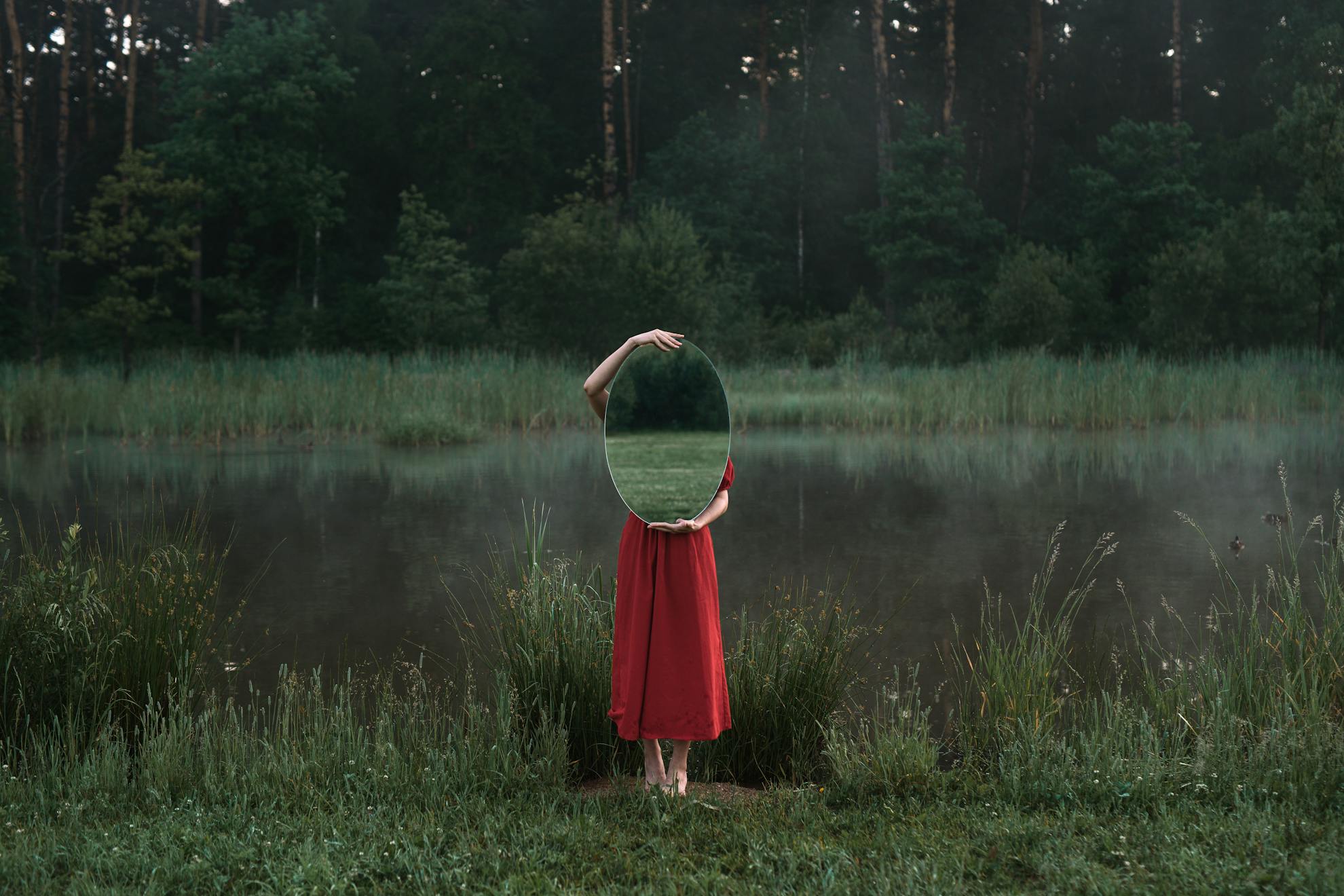
The Revelations Found in Astrology and Human Design
I’ve always believed that self-inquiry can be a portal. Sometimes that portal is meditation. Sometimes it’s heartbreak. Sometimes it’s travel, long and lonely and bewildering. But recently, it came in the form of something unexpected:Running my astrological birth chart and my human design through ChatGPT.
More tagged “Books”

Removing the Habits That Keep You Stuck: Do A Habit Audit: Hard Questions, Small Changes, Big Shifts
We all have habits that serve us, and habits that don’t. The tricky part is: sometimes the ones that don’t serve are the ones we cling to because they feel familiar, safe, known. This post will guide you through an honest audit of your habits, apply research from behavioural psychology (including key ideas from Atomic Habits by James Clear) and offer a list of very practical, gradual changes you can make, changes you control, sustainable and within reach.

What Slowing Down Really Taught Me This Year: Coming Back to My Body, My Life and Myself
As this year comes to a close, I’ve been reflecting on what “slowing down” really ended up being for me. When I imagined it, I pictured beaches, sunrise yoga sessions, sunsets with salty hair, and the kind of inner peace that glossy wellness posts make look effortless. And yes, there were moments that felt like that. But most of the time, slowing down wasn’t glamorous. It was messy, humbling, grounding and honest. It looked like a compromise. It asked me to make choices I didn’t always expect. It made me meet myself in ways I had never truly allowed before.

Listening Beneath the Mind: Yogic Practices to Heal the Samskāras That Shape Our Lives
We all carry stories that feel so familiar they might as well be our own voice, the subtle doubts, the quiet assumptions, the emotional reactions that rise before we even have a chance to choose differently. In the yogic tradition, these inherited imprints are known as samskāras: subliminal impressions carved into us through repetition, experience and unexamined memory.
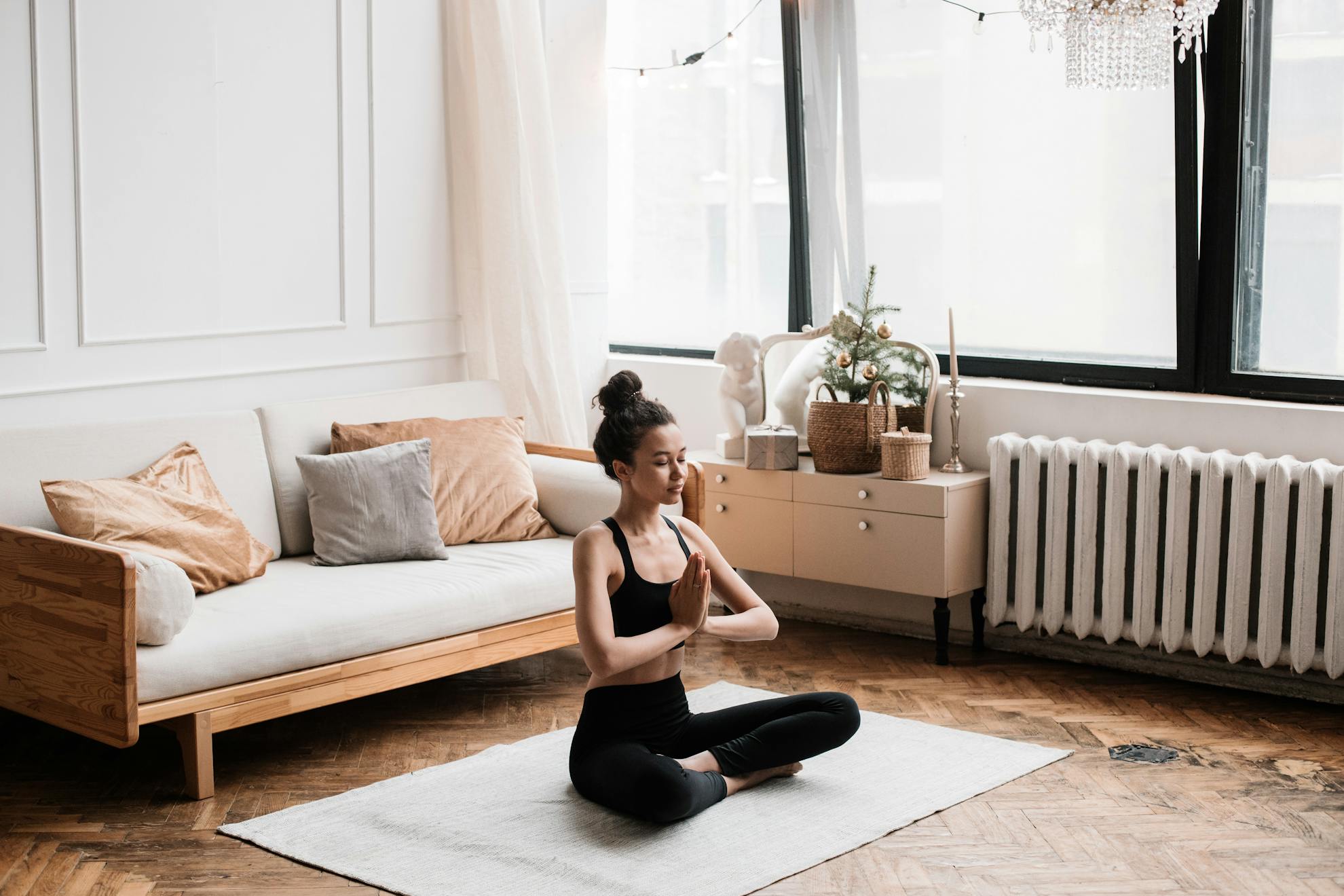
Meditations as Portals: Shifting the Mind, Soothing the Body
We spend much of our lives replaying the past, thoughts become familiar, feelings become habitual, and the body begins to live in cycles of memory. What feels like “just the way things are” is often simply a loop of remembered emotions.

Harness Your Energy with Yoga: Devotion, Breath, and Mindful Practice
Energy moves where attention flows. Both ancient yoga and modern science tell us this truth in different languages, yet the essence remains the same: what you focus on expands.

Beyond the Past: Rewriting the Stories We Live By
There comes a time when we begin to notice that the patterns repeating in our lives are not coincidences; they are mirrors. The way we love, react, protect ourselves, and withdraw often stems from stories we didn’t consciously choose. They are scripts written by earlier versions of ourselves, shaped by our experiences, emotions, and beliefs.

Learning to Trust Through Love
We often speak of love as something we either have or don’t, something we fall into or out of. Yet few of us pause long enough to consider its deeper purpose. What if love is not the destination, but the lesson itself?
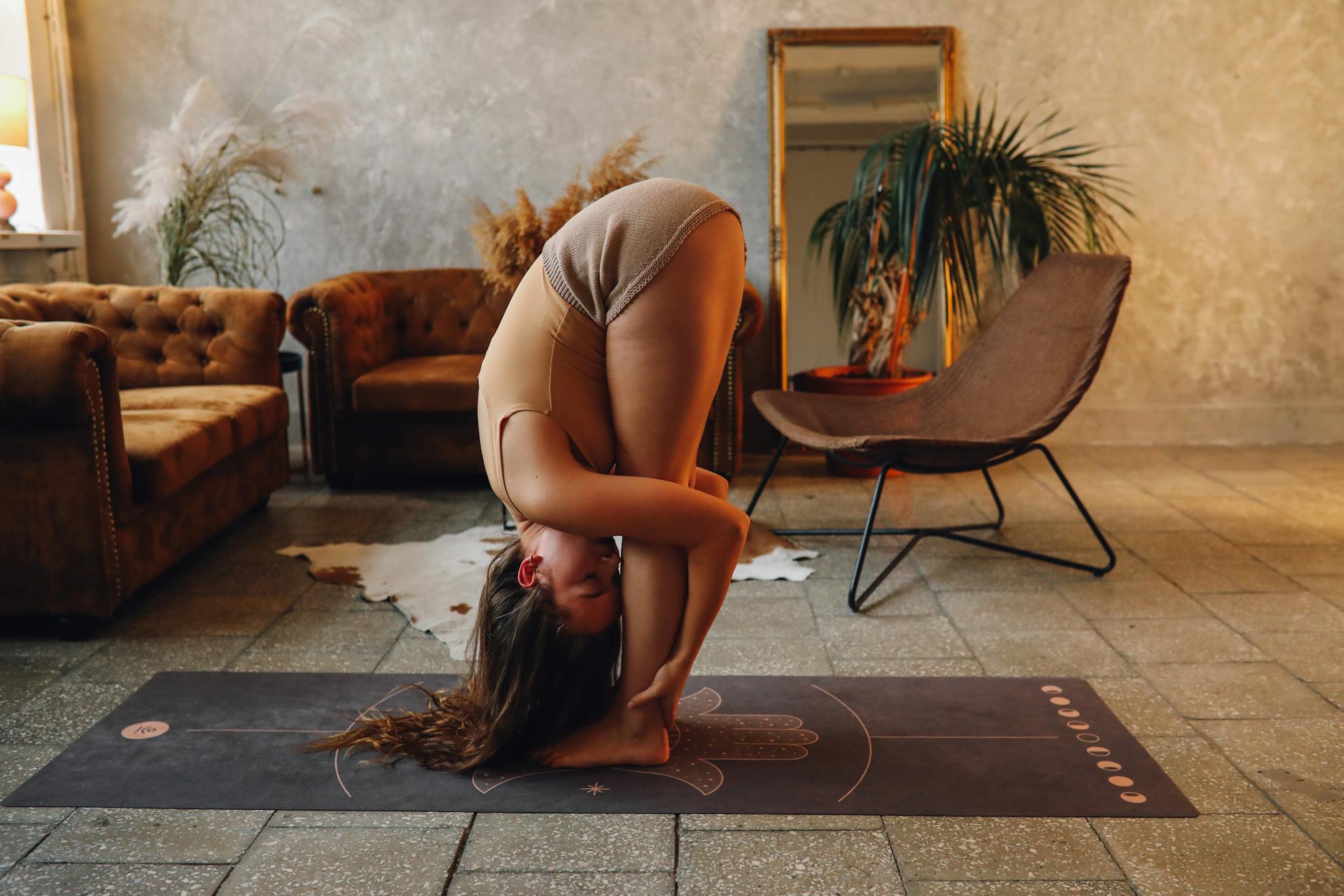
Everyday Moments That Are Yoga (Without You Realising)
Yoga is often thought of as postures on a mat or quiet studio time. Yet the ancient texts describe it far more broadly, as a framework for cultivating steadiness, awareness, and presence in every aspect of life. The Yoga Sūtras tell us:
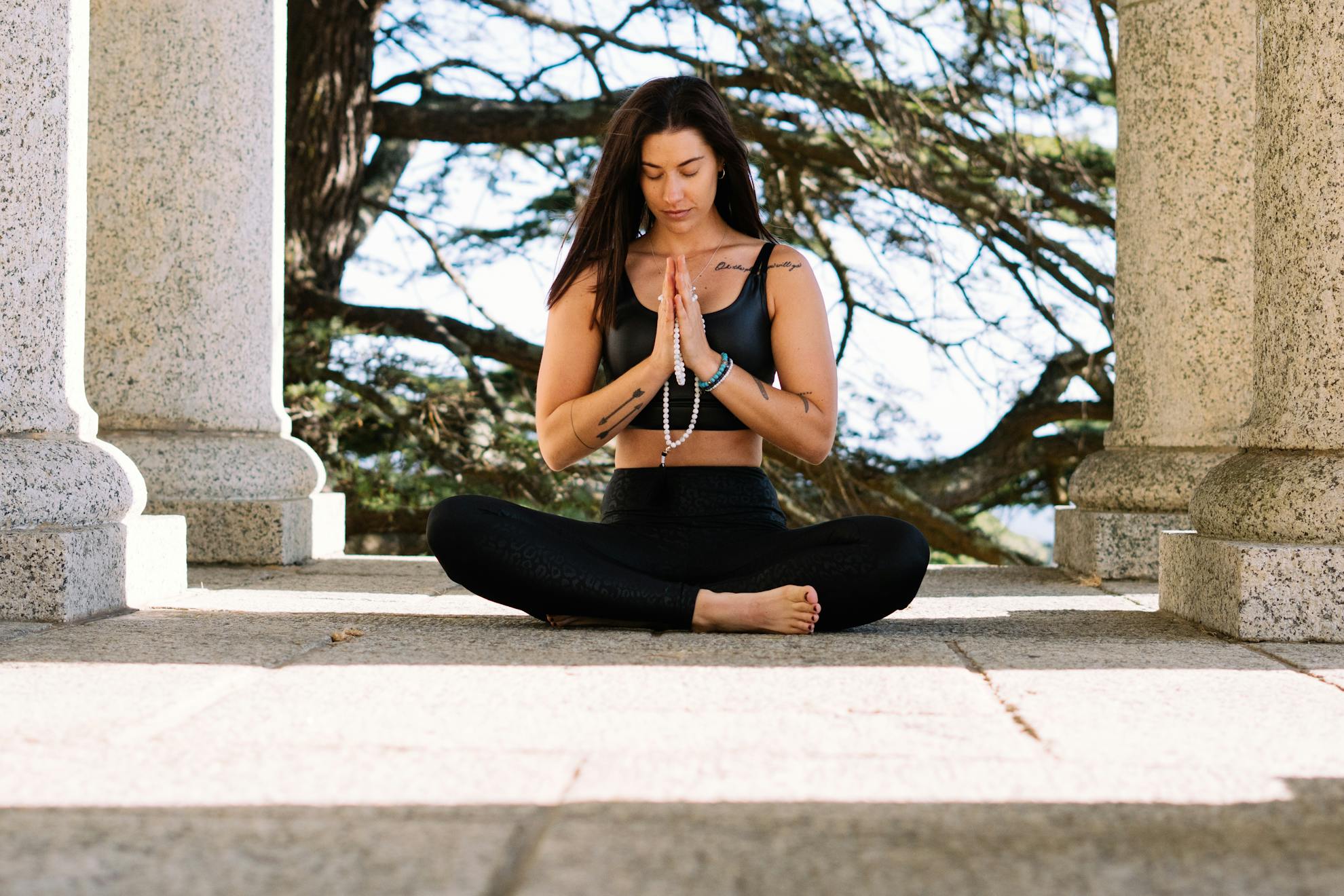
Yoga as Life’s Lens: Reflections on Autobiography of a Yogi
Paramahansa Yogananda’s Autobiography of a Yogi is more than a spiritual memoir; it’s an invitation to see life through the lens of the soul. In his telling, the extraordinary becomes accessible, not as far-off miracles but as a way of living rooted in self-awareness, discipline, and love.

20 Reflections from The Surrender Experiment by Michael A. Singer
I read The Surrender Experiment just days after walking away from my corporate job, twelve months into the unknown. No guarantees, no structured plan. Just a quiet knowing that something had shifted.

20 Moments from The Untethered Soul by Michael A. Singer
A journey inward to awareness, stillness and freedom. Some books arrive like whispers. Others arrive as gifts. For me, The Untethered Soul was both.

Packing Wellness: A Conscious Approach to the Way We Travel
There’s a certain beauty in packing not just clothes or chargers, but your rituals. A yoga mat, a journal, snacks that feel good, shoes that let you walk for miles, these are tools that shift travel from hectic to healing.

9 Books For Psychological & Spiritual Growth
It’s all about finding the right book at the right time. I have said it before, but it is taking on a life of its own; every time I get to the end of a book, I am a little more open, a little further along my path and a little deeper into my journey. These recommended books combine philosophy, ancient wisdom, spirituality, meditation, health and well-being. It’s an incredible reading list and I wanted to share it with you.
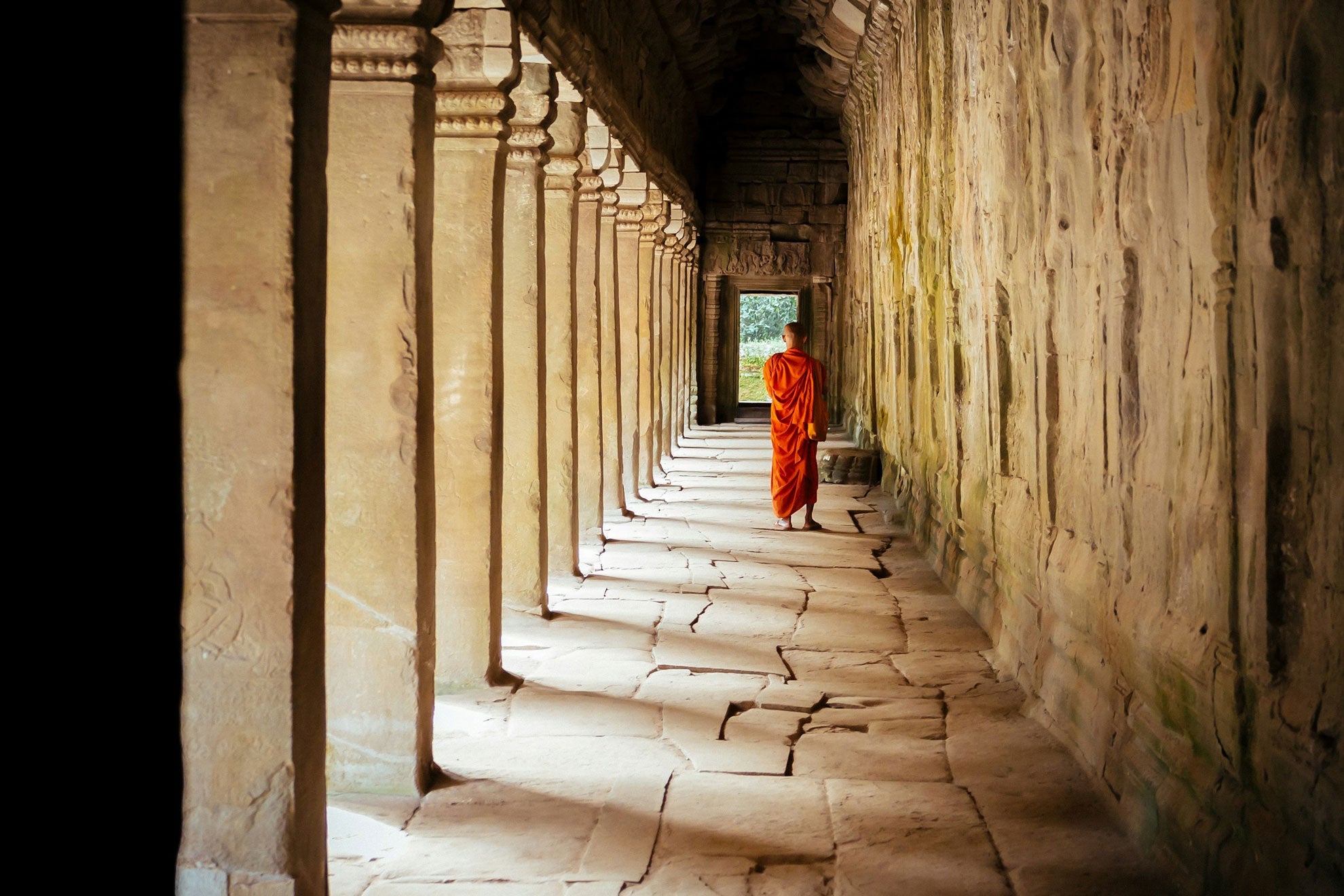
20 Moments From 'I May Be Wrong' by Bjorn Natthiko Lindeblad
This book was one of the recommended readings before my Meditation & Mindfulness teacher training which starts late June 24. Not often does a book transport you to a quiet place of contemplation, while showing you how to cry and smile from the heart as the words touch your soul and your understanding of stillness emerges. An easy-to-read deep dive into the powers of the mind, the clutter of the thoughts and the truth that none of your thoughts matter. We are not our thoughts and we can choose to live more lightly.

Sensitivity and Introversion - Susan Cain's book Quiet
The overarching message that I got from this book was that you can unleash the power in the quiet and learn to be more of yourself in the not-so-quiet. Social and other so-called extroverted activities are learnable skills that can be scaled gradually so all introverts can enjoy both the solace and the social, in a setting and environment that nurtures them. It’s ok to be the person looking for the most interesting conversation in the room,