Faith
7 articles
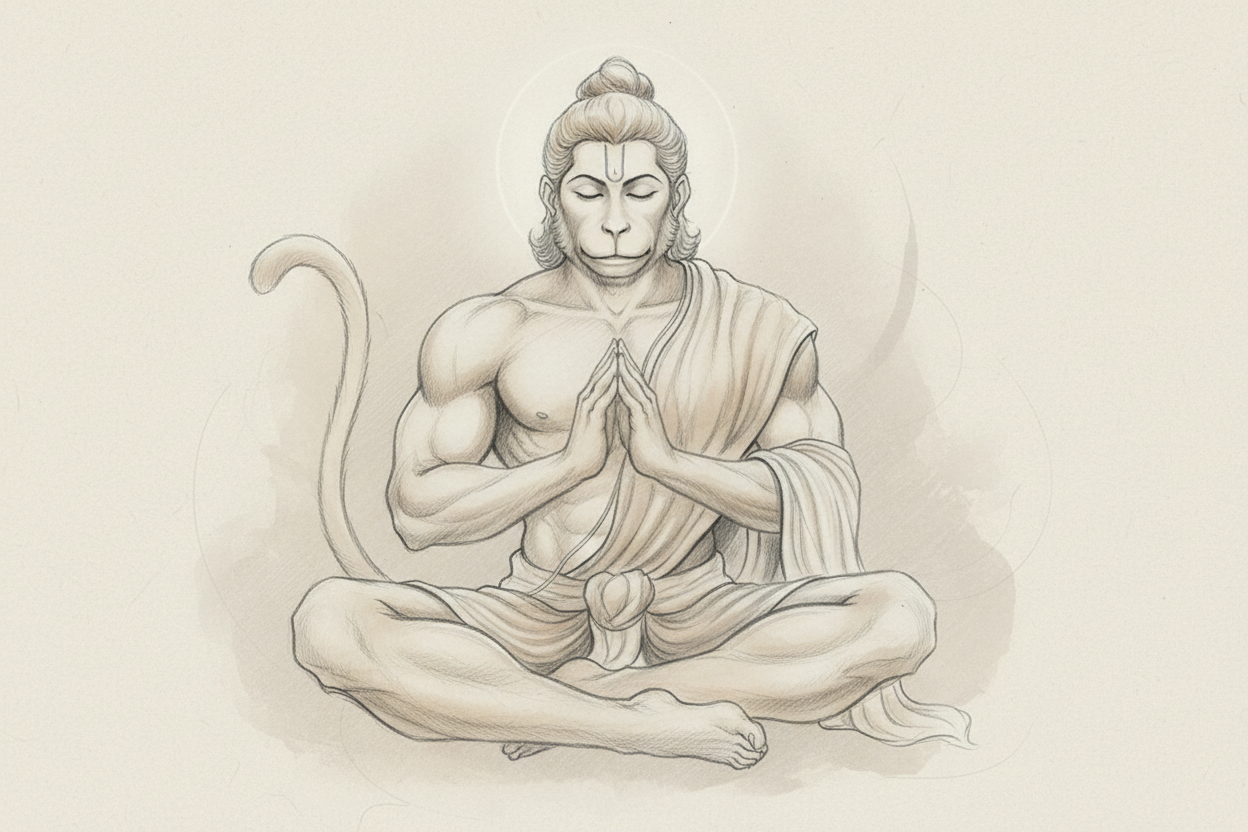
Hindu Deities in Yoga: The Ancient Stories Living Inside Every Pose and Practice
Every yoga class I loved as a student, truly loved, the kind where you roll up your mat a little changed, had one thing in common. A story. Not the anatomical kind ('now we're going to create external rotation in the hip socket'). The ancient kind. The kind where a teacher would begin with: there is a story about...And something in the room would settle. Everyone would shift slightly on their mats. A collective leaning in.
More tagged “Faith”

Meditation Myths Debunked: How to Actually Begin (Or Begin Again)
I have lost count of how many people have told me they can't meditate. Sometimes they say it with a kind of proud resignation, I've tried, I'm just not that kind of person. Sometimes, with a frustration that suggests they genuinely wanted it to work. Sometimes with a faint embarrassment, as though they've failed at something that seems to come easily to everyone else.

The Space Between the Boxes: A Journey of Unravelling and Reconnecting
What happens when the dust settles after eleven months of wandering? After living out of a single suitcase and a "long list of hell yes's" alongside an even longer list of "no’s," you eventually find yourself standing in the quiet of what used to be your life.

Listening Beneath the Mind: Yogic Practices to Heal the Samskāras That Shape Our Lives
We all carry stories that feel so familiar they might as well be our own voice, the subtle doubts, the quiet assumptions, the emotional reactions that rise before we even have a chance to choose differently. In the yogic tradition, these inherited imprints are known as samskāras: subliminal impressions carved into us through repetition, experience and unexamined memory.

Meditations as Portals: Shifting the Mind, Soothing the Body
We spend much of our lives replaying the past, thoughts become familiar, feelings become habitual, and the body begins to live in cycles of memory. What feels like “just the way things are” is often simply a loop of remembered emotions.

Harness Your Energy with Yoga: Devotion, Breath, and Mindful Practice
Energy moves where attention flows. Both ancient yoga and modern science tell us this truth in different languages, yet the essence remains the same: what you focus on expands.

Learning to Trust Through Love
We often speak of love as something we either have or don’t, something we fall into or out of. Yet few of us pause long enough to consider its deeper purpose. What if love is not the destination, but the lesson itself?