In-Transition
37 articles

Where to Begin When Starting Over Feels Overwhelming: A Gentle Guide
Someone asked me recently: how do you know when you're ready to start over? And my honest answer was: you usually don't. You start before you're ready, because the alternative, staying still in something that no longer fits, has finally become more uncomfortable than the fear of moving.
More tagged “In-Transition”
How I Finally Got My Dream Body (And Why It Had Nothing to Do With a Diet)
A Warning and an Invitation: if you are here for a quick fix, read on no more. I mean that kindly. There are plenty of places on the internet that will sell you one. This is not that place. But if you are exhausted by quick fixes. If you have tried them, lost count of how many, and arrived here with a particular kind of tired that goes deeper than fatigue, the tired that comes from fighting something for decades and not winning, then you are exactly where you need to be.

Navigating Difficult Times With The Right Internal Support
Lately, I have been thinking about the ways we outsource our wellness. We seek advice. We ask for reassurance. We hand our experiences over to others to interpret. And sometimes that is necessary. Reflection and projection are powerful tools; being witnessed in our struggles can soften their edges. Community matters. Guidance matters.

The Quiet Heartbreak of Watching People Stay
There is a particular kind of heartbreak that does not come from loss. It comes from watching someone you love remain in a life that is slowly dimming them. You see it in the way they speak about themselves. In the exhaustion that never lifts. In the habits they defend but quietly resent.
The Space Between the Boxes: A Journey of Unravelling and Reconnecting
What happens when the dust settles after eleven months of wandering? After living out of a single suitcase and a "long list of hell yes's" alongside an even longer list of "no’s," you eventually find yourself standing in the quiet of what used to be your life.
Softening the New Year: A Devoted Approach to Wellness
This isn’t a fitness routine. It isn’t a fad diet, calorie counting, or a 30-day reset. It’s something quieter, deeper, and far more sustainable. It’s a relationship. A relationship with your body, built on understanding rather than control.
Astrology, Human Design, and the Desire to Understand Ourselves
There are times when self-understanding doesn’t come from doing more, fixing more, or striving harder, but from seeing yourself clearly for the first time. Recently, I explored both my astrological birth chart and Human Design, not to predict the future, but to understand myself more deeply during a period of transition. What unfolded wasn’t instruction or certainty, but recognition. This reflection explores what these systems are, why so many are drawn to them right now, and how they can offer permission to embrace the parts of ourselves we’ve often tried to override.
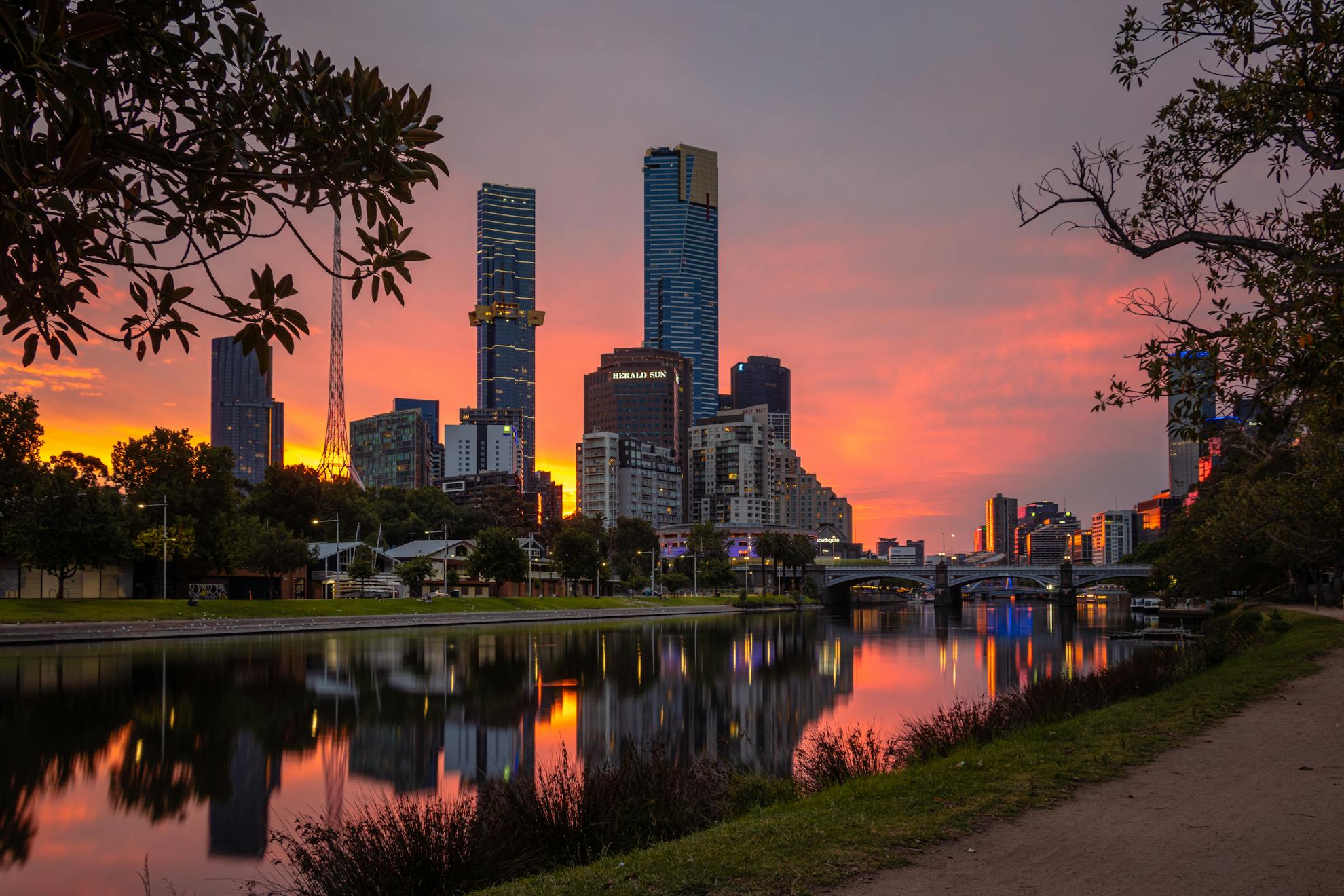
When Coming Home Feels Different: How Space, Change, and Perspective Shape What “Home” Means
Sometimes, stepping away from everything you know is the only way to truly see it.We all have places we’ve outgrown, or thought we had. The home that once felt heavy, the routine that seemed suffocating, the four walls that turned into a mirror for our restlessness. But what if it wasn’t the place holding you back? What if it was what you carried inside it?
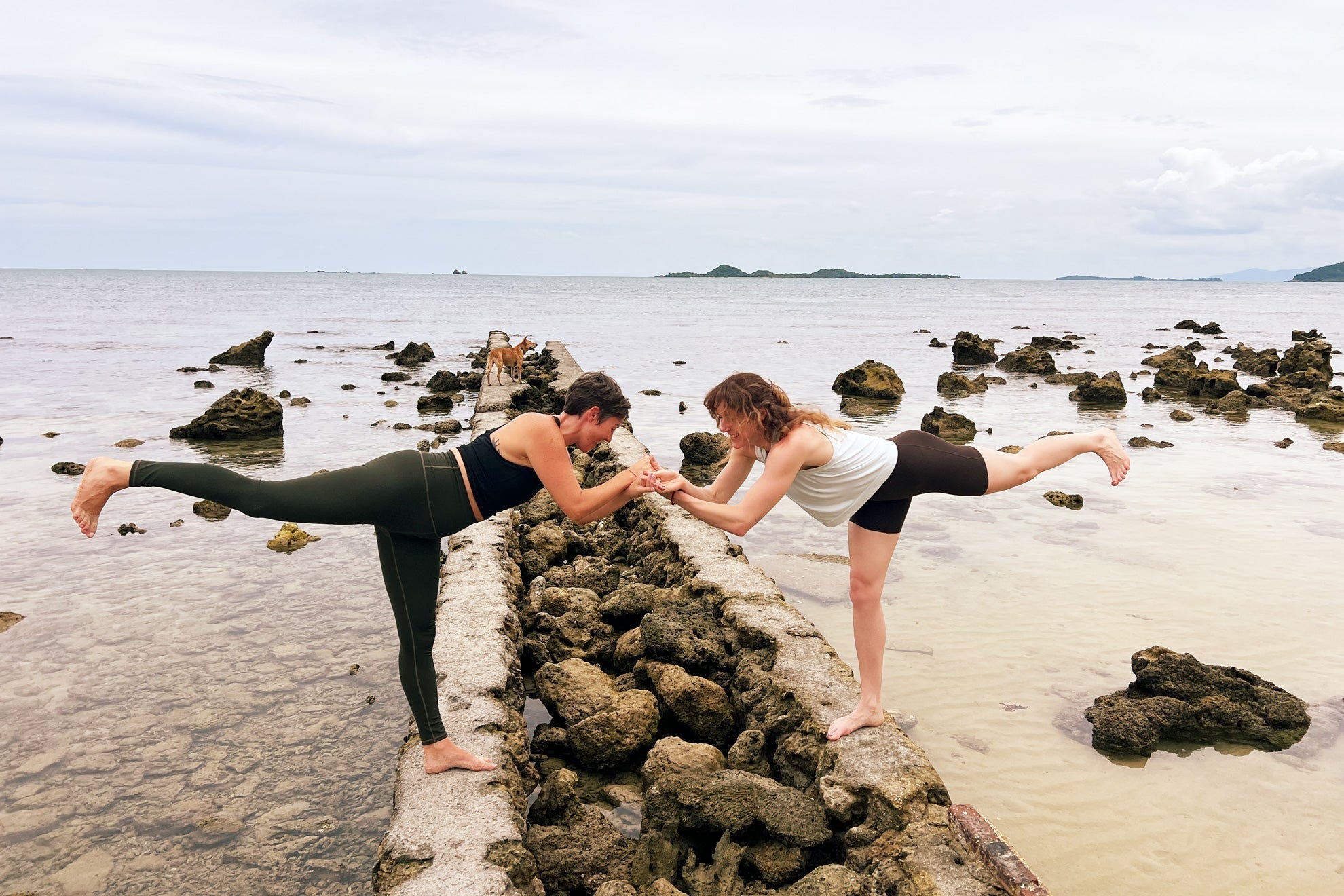
Chance Encounters That Change You: How Travel Brings the Right People Into Your Life
There are people in our lives who remind us to play; the ones who make you want to cartwheel on the beach, run along the sand, or balance, laughing, in a rock pool in warrior three. On my Koh Samui retreat, there was one such person: Bronte.

Exploring How Culture Shapes Your Experience: A Reflective Guide to Wellbeing and Place
There are places in the world that make you feel whole, grounded, and deeply nourished, and there are places that quietly take from you, chipping away at the equilibrium you’ve worked to cultivate. It can feel as though the culture of a place seeps through your skin, shaping your energy and attitude before you’ve even noticed.
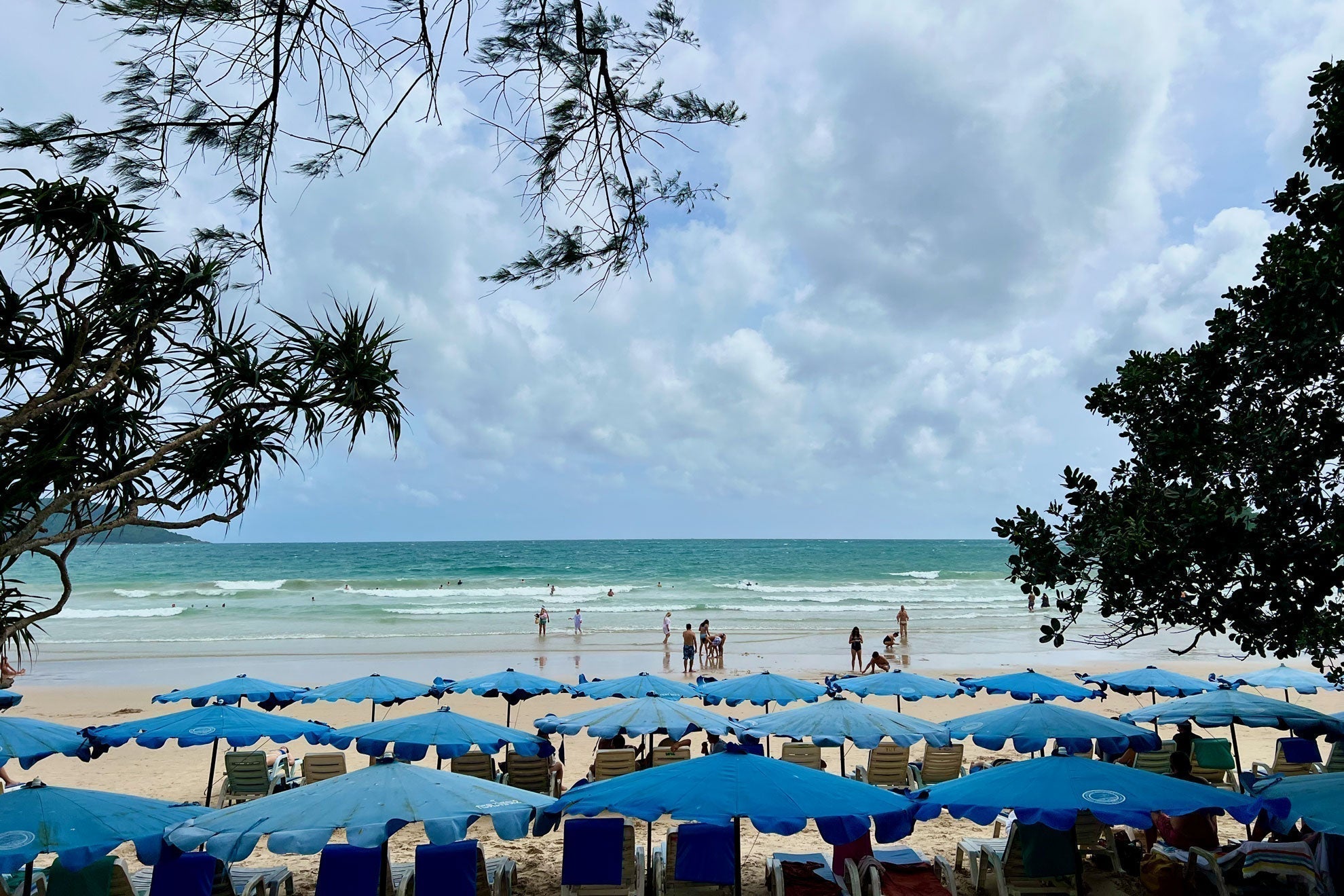
The Honest Truth About Travel
Yes, I’ve been to some incredible places over the last few months. But what I’ve realised is that when you don’t have a “home” to go back to, or more importantly, no clear end date, even the most remarkable experiences begin to feel… normal. And normal, when stretched too long, loses its magic.

Going Home at 38: What It Means and Why It Matters
Home has been in flux for me lately. With travel comes the idea that I’m a nomad, that I can become comfortable wherever I lay my head. And to some extent, it’s true. I open a suitcase, light some incense, set up a playlist, and move on my yoga mat, and I feel grounded. A sense of home lives in these rituals.
Four Months on the Road: Real Lessons, Honest Reflections
Four months ago, I packed up my perfectly curated Melbourne life, placed it neatly into a 3x3 storage cage, and boarded a one-way flight. Since then, I’ve travelled through Bali, Vietnam, Cambodia, Kuala Lumpur, and Sri Lanka, with Thailand just around the corner.
Making Peace with Travel Privilege
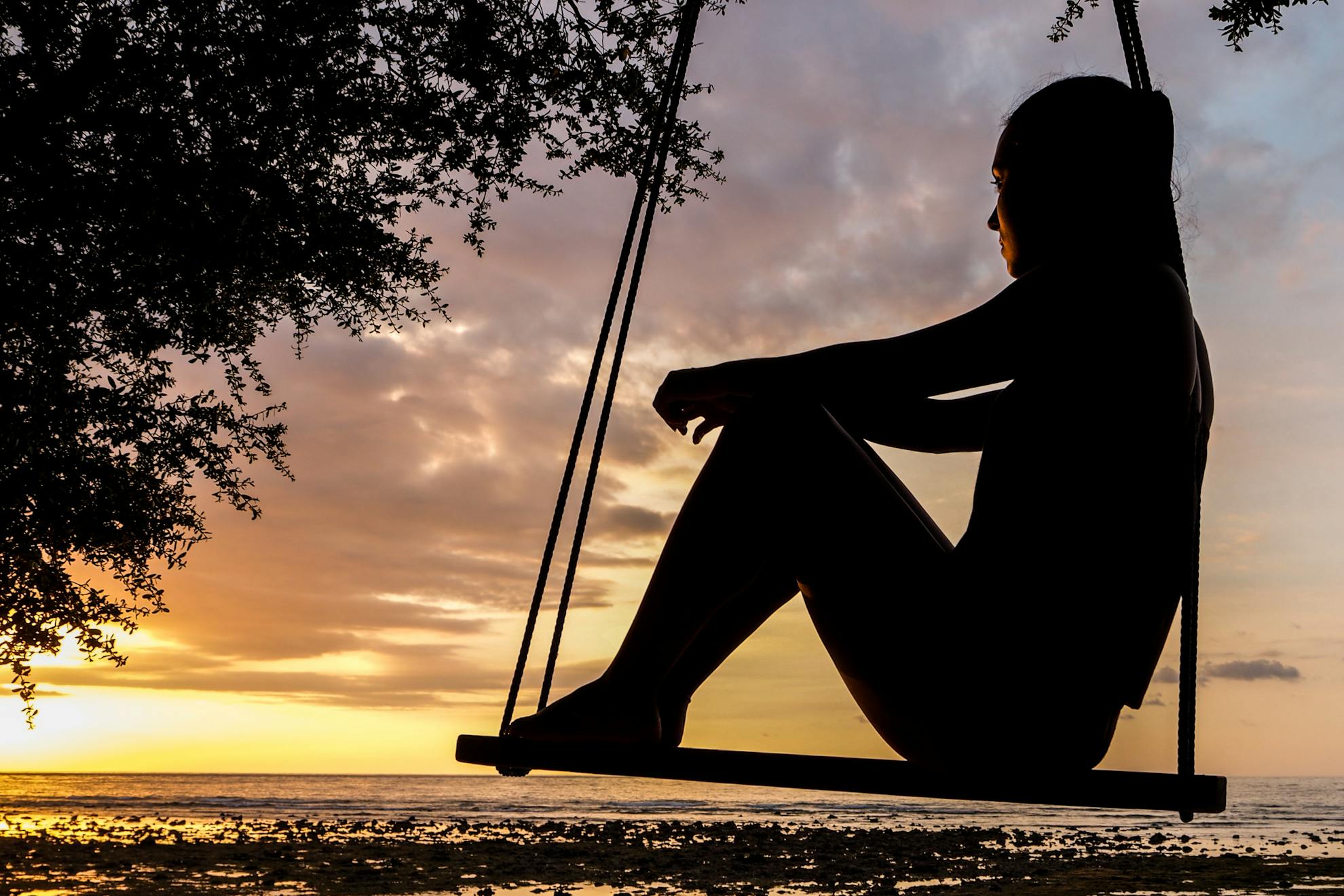
I used to believe I was a good traveller. Curious. Kind. Conscious. But as I moved through the villages of Vietnam, past rice paddies, crumbling temples, food stalls, and families, I was forced to reckon with a quieter truth. I have always been a privileged traveller. And with that privilege comes a responsibility.
A New Era of Travel: Where Wellness, Luxury, and Digital Influence Intertwine
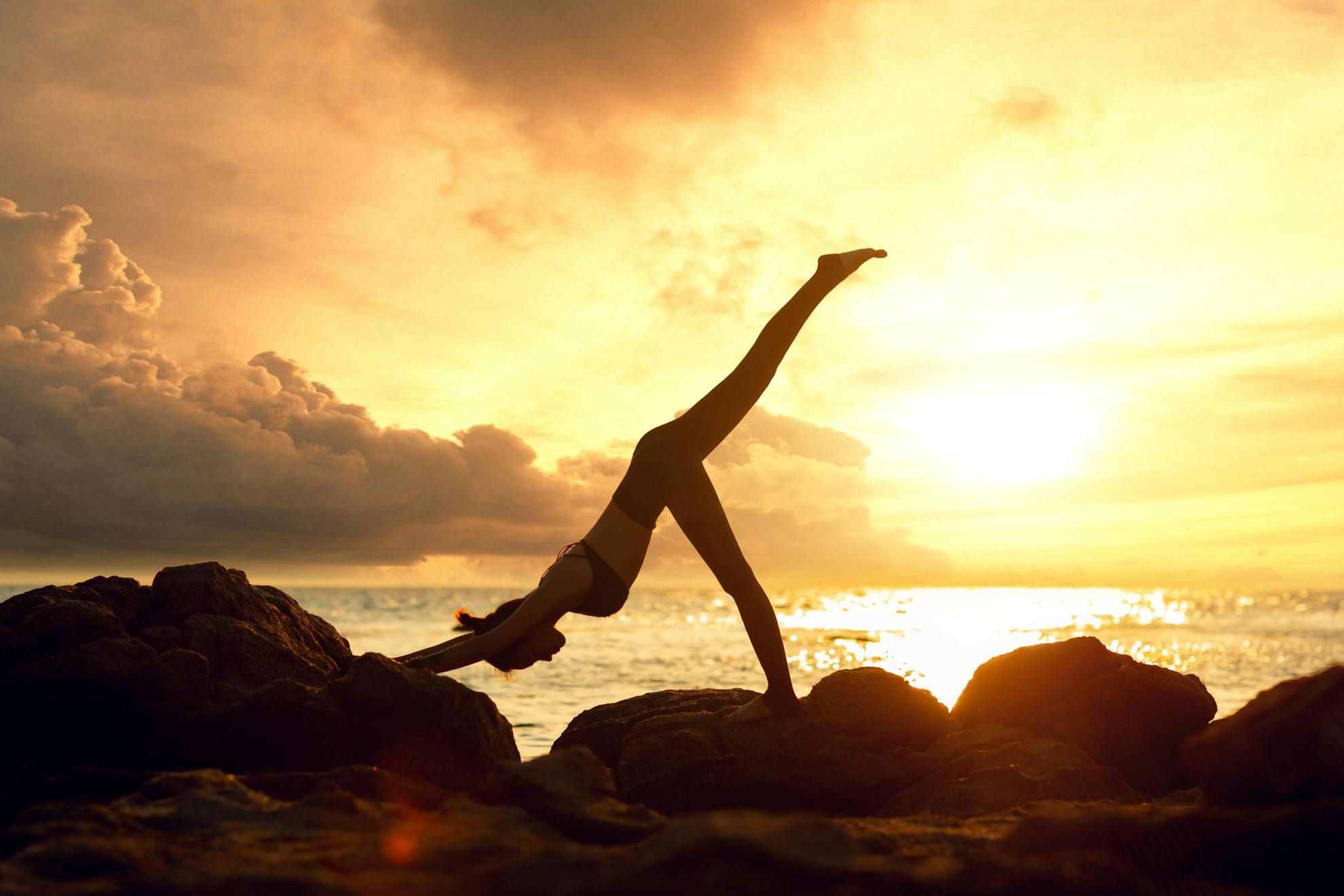
There was a time when wellness travel felt like a luxury reserved for the few. A distant dream of remote retreats, all-inclusive spas, and Instagrammable jungle sanctuaries. But something has shifted. Wellness is no longer a destination; it’s a way of travelling, of seeing, of being. And now, it’s becoming more accessible, more intentional, and more beautifully human.
From North to South: A Journey Through Vietnam’s Living History
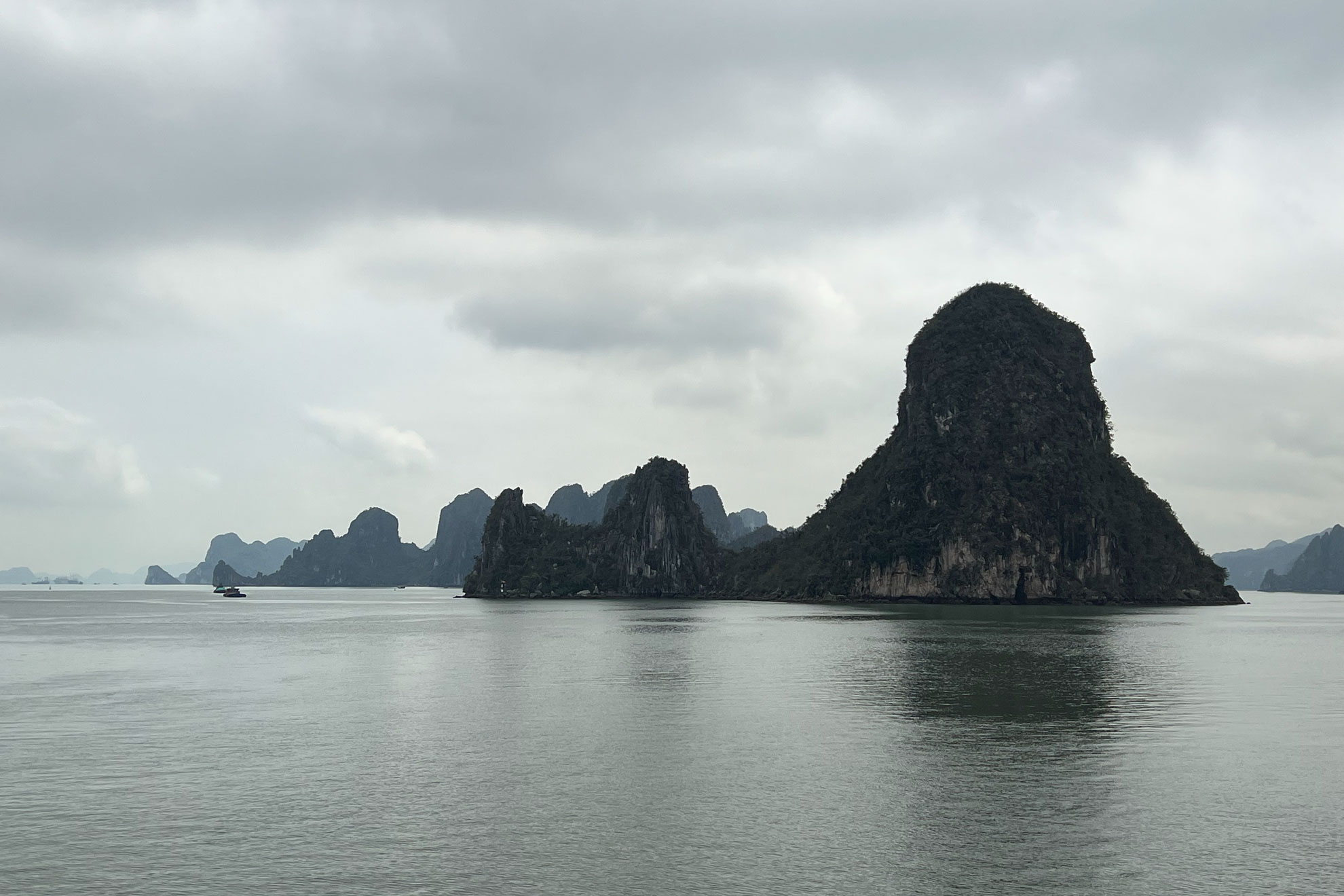
With grand plans of spending three months in Vietnam, we secured a 90-day visa, packed our lives into suitcases, and left the bliss of Bali for the cultural mosaic of Vietnam.
What I Didn’t Do in Bali This Time
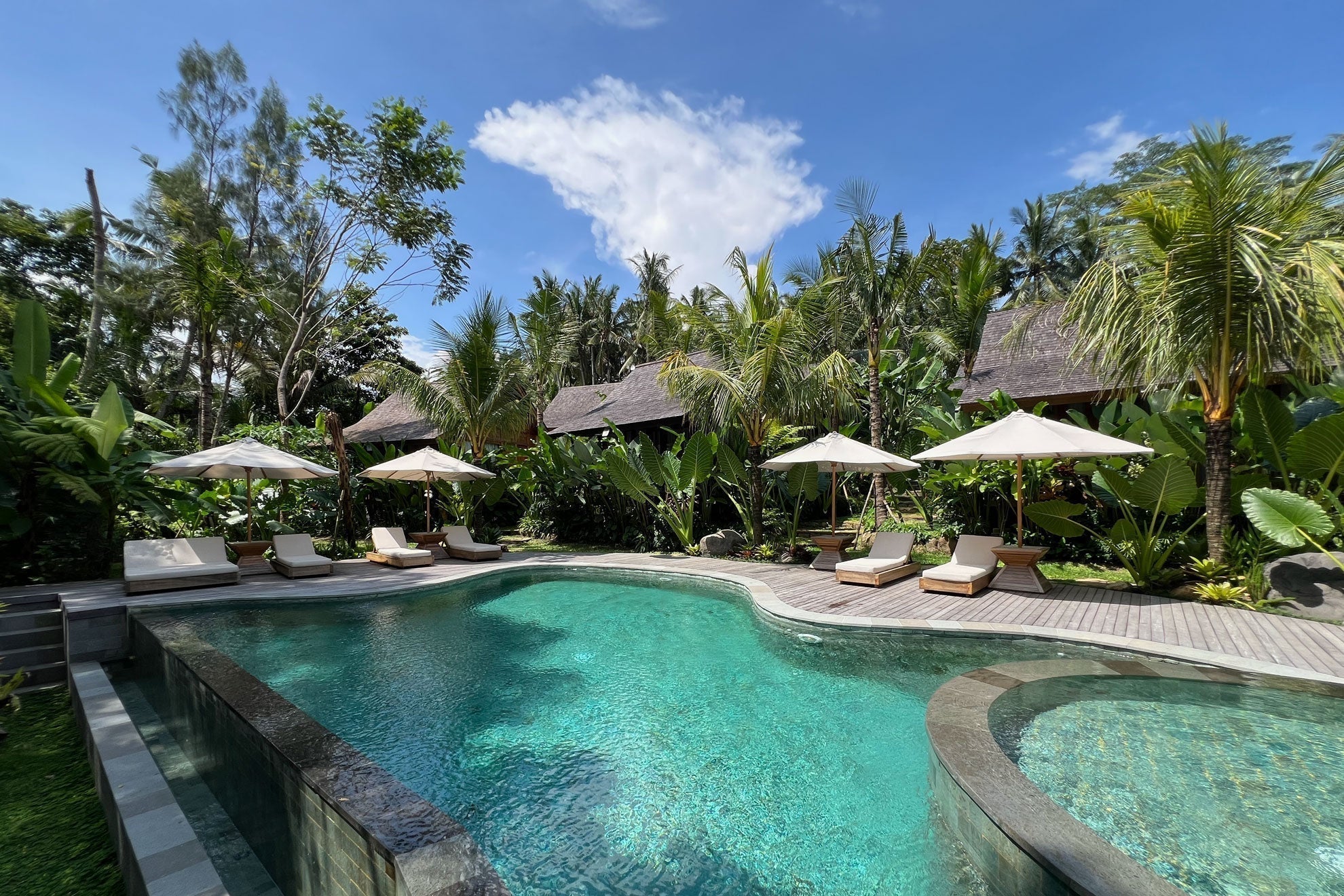
Or, what happened when I threw out the itinerary and finally listened to that quiet inner voice. This isn’t an anti-blog. It’s not a rebellion against to-do lists, or a rejection of all the amazing things Bali has to offer. It’s simply an invitation to do things your own way.
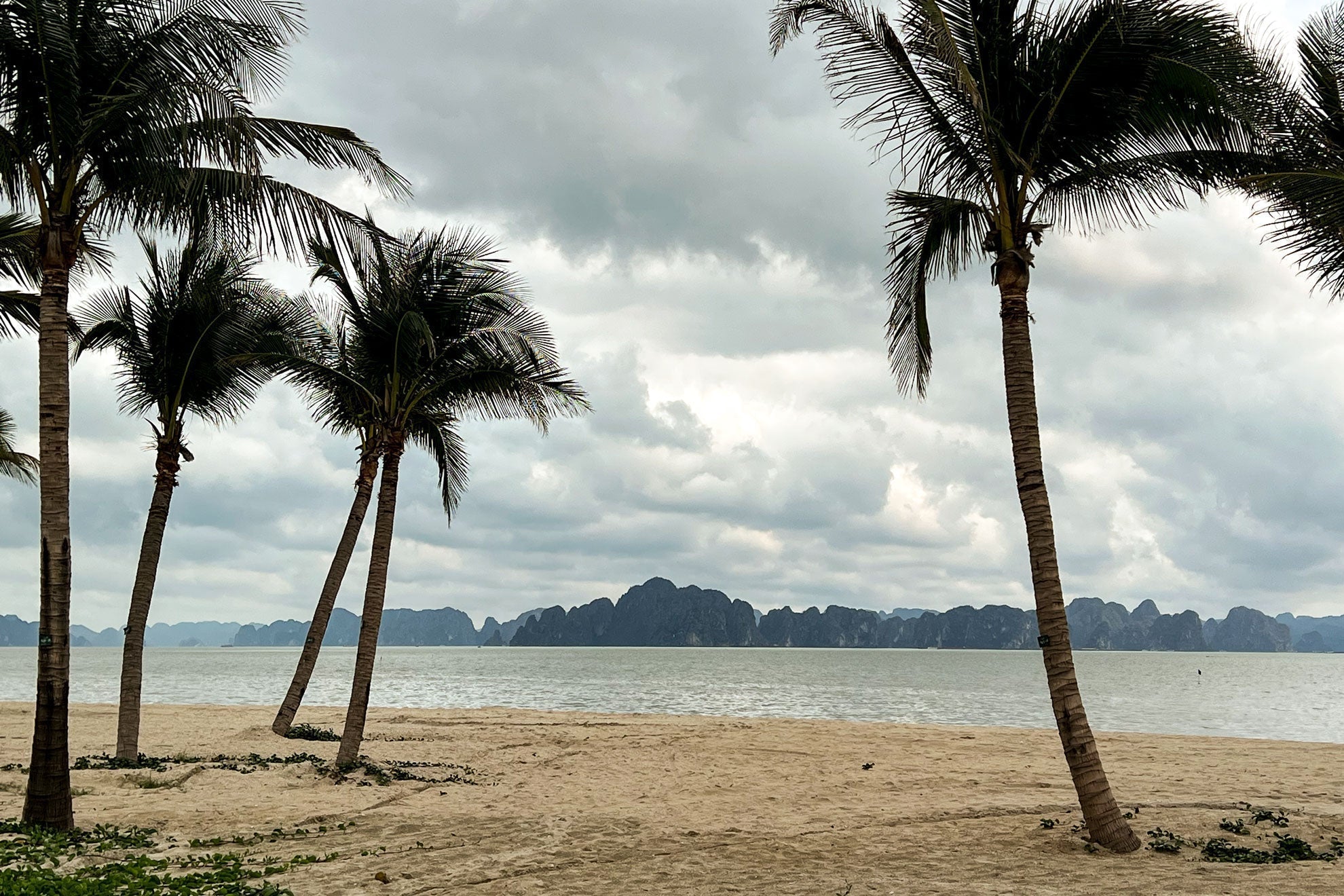
What Travel Taught Me About Letting Go: A Journey Beyond the Itinerary
We’ve been in Vietnam for 12 days, and I’d be lying if I said it’s been plain sailing. After the peace we found in Bali, this rhythm of packing up and moving every 4–5 days feels tedious. There was something grounding about our daily yoga practice there, something magical in the stillness that gave our time structure and soul. Now, without that anchor, we find ourselves drifting, disoriented and restless.

Leaving Melbourne: On Love, Privilege, and the Search for Home
I wrote this piece back in April 2022, and it feels poetic that it still holds relevance now, three years later, in April 2025. I’ve left most of it unchanged. It speaks to something tender about the way time carries us, sometimes with a gust, other times with the softest nudge from one place to the next.
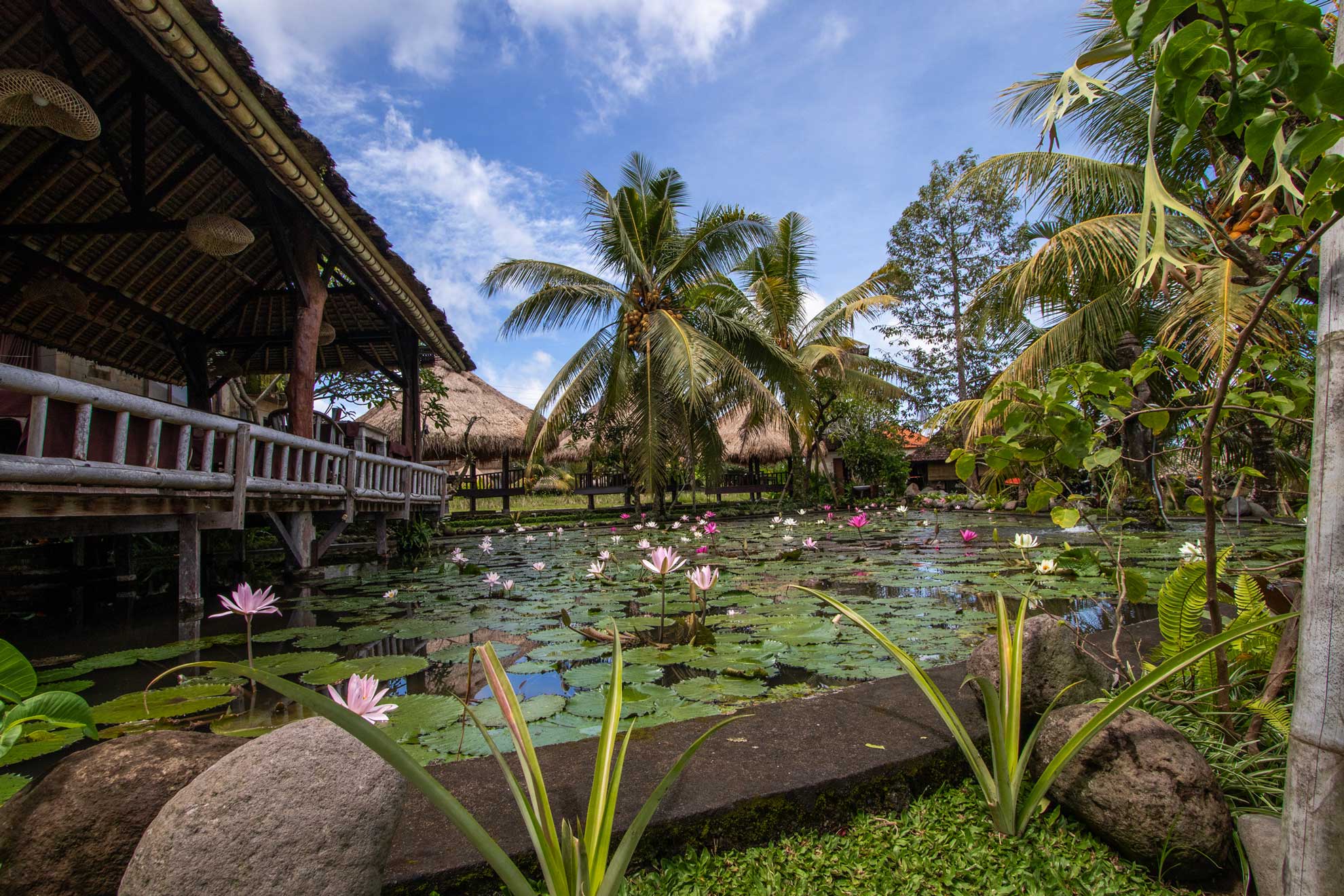
Undiscovered Bali: A Feeling Found Through Slow Travel
Why Slow Travel in Bali Changed Everything. After the privilege of visiting Bali five times, I’ve realised we no longer need to chase the tourist trail. We’ve already ticked off the temples, the beaches, the day trips. So this time, we chose to stay still. We let Bali show us something else entirely: a slower rhythm, a different kind of magic.
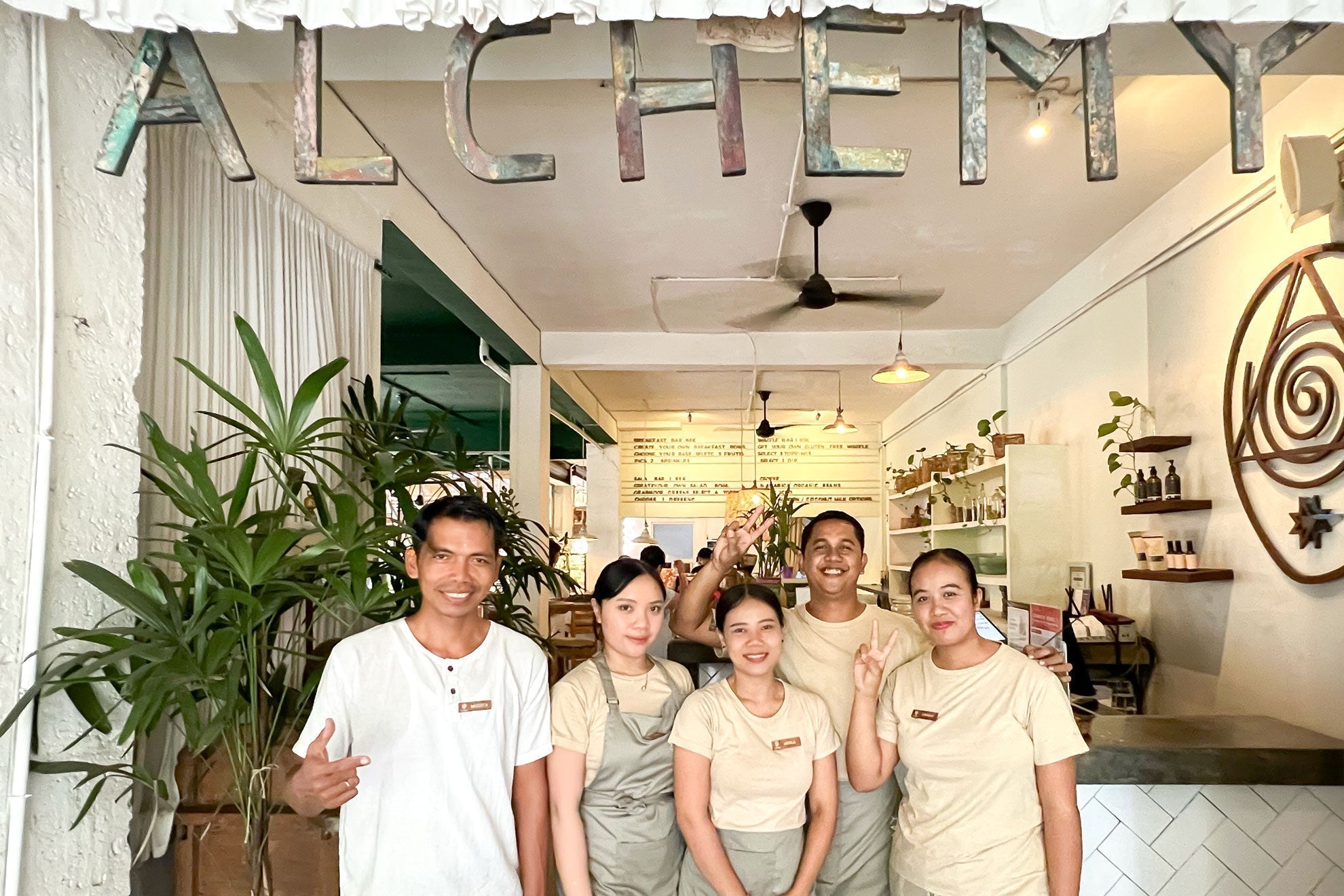
Where Food Feels Like Home: Why Alchemy Café Ubud Is a Must for Conscious Travellers
Today, as we stepped out of the beautiful, sun-warmed space that is Alchemy in Ubud for the final time, we were handed a goodbye gift. Completely unexpected. Entirely unnecessary.
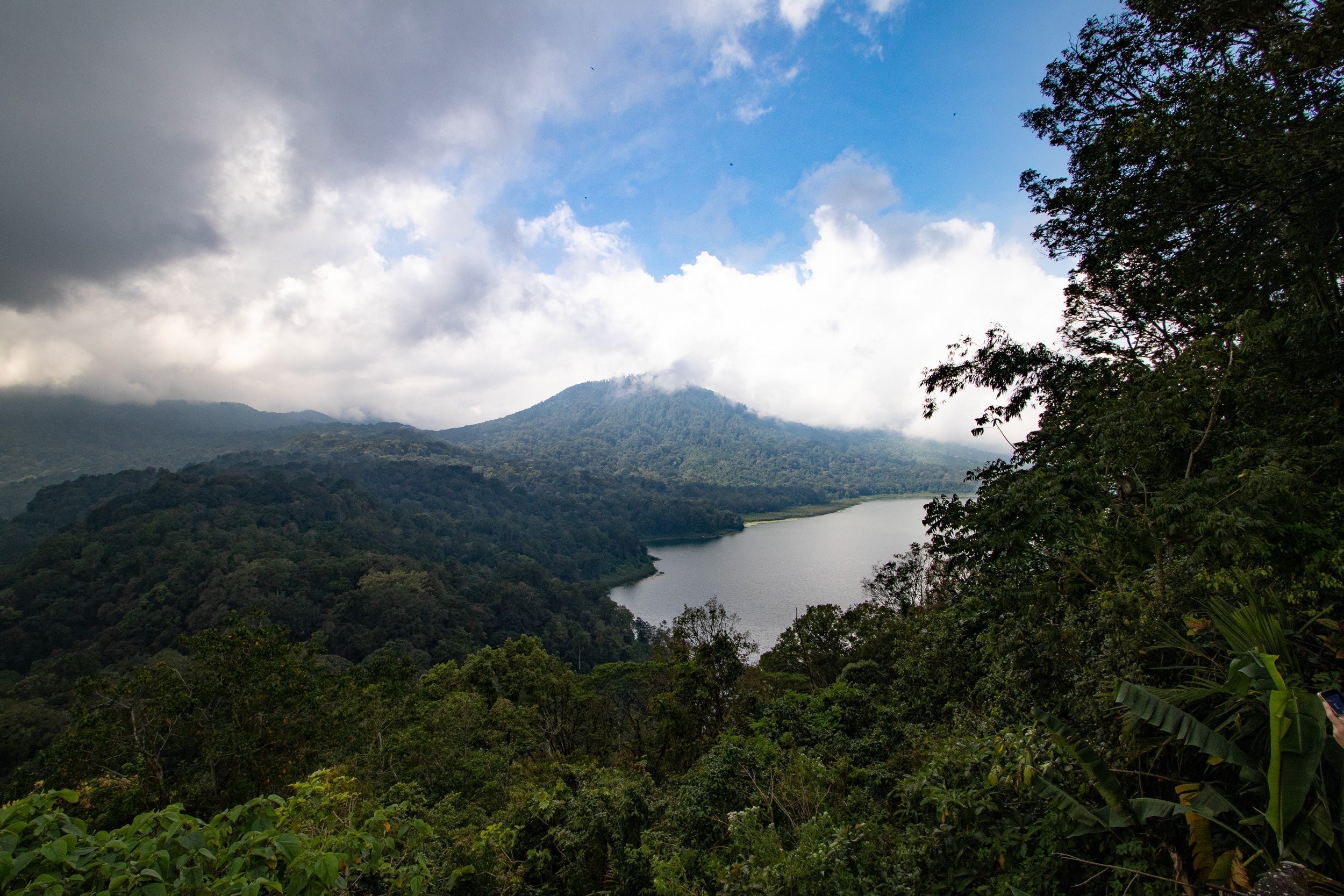
Slow Travel in Ubud, Bali: A Journey into Presence
Ubud isn’t just a destination; it’s an experience—a place where time slows, where nature and culture intertwine, and where every moment invites you to be fully present. Known as Bali’s cultural and spiritual heart, Ubud offers an escape from the rush of modern life, drawing you into a rhythm that feels intentional, unhurried, and deeply connected.
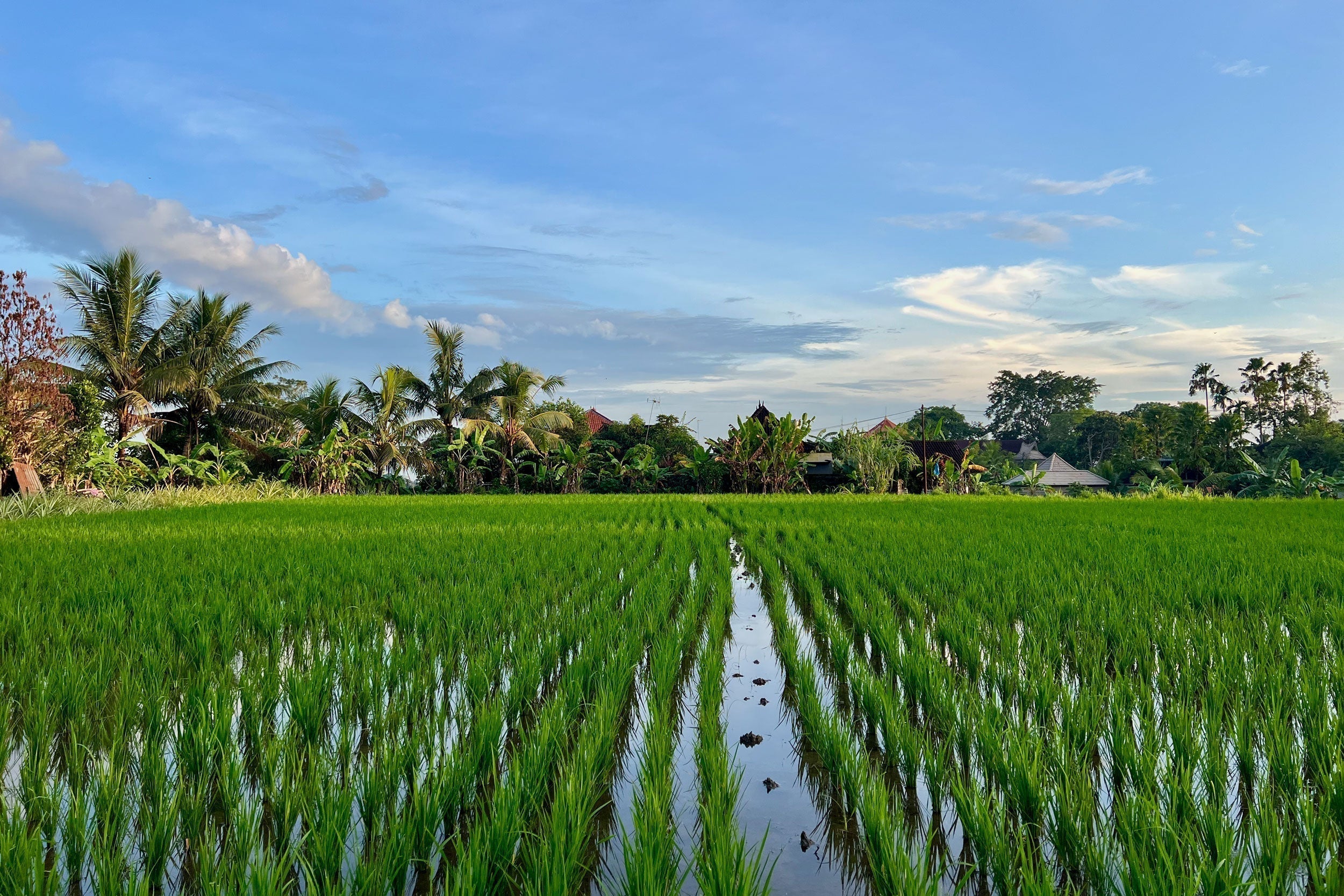
Ubud Unraveled: A Journey of Yoga, Stillness, and Self-Discovery
I have been in Ubud for three weeks now, and thanks to an extended visa, we get to stay for another 30 days. It might seem unusual to settle in one place during a gap year, but in many ways, it feels like we’ve moved here, at least temporarily, to rest and recalibrate. This gap year is not just a break from work but a departure from the world I used to inhabit. The transitions between countries won’t be rushed; moving every week would be unsustainable. Instead, we are easing into a rhythm, embracing a slower, more intentional way of being.
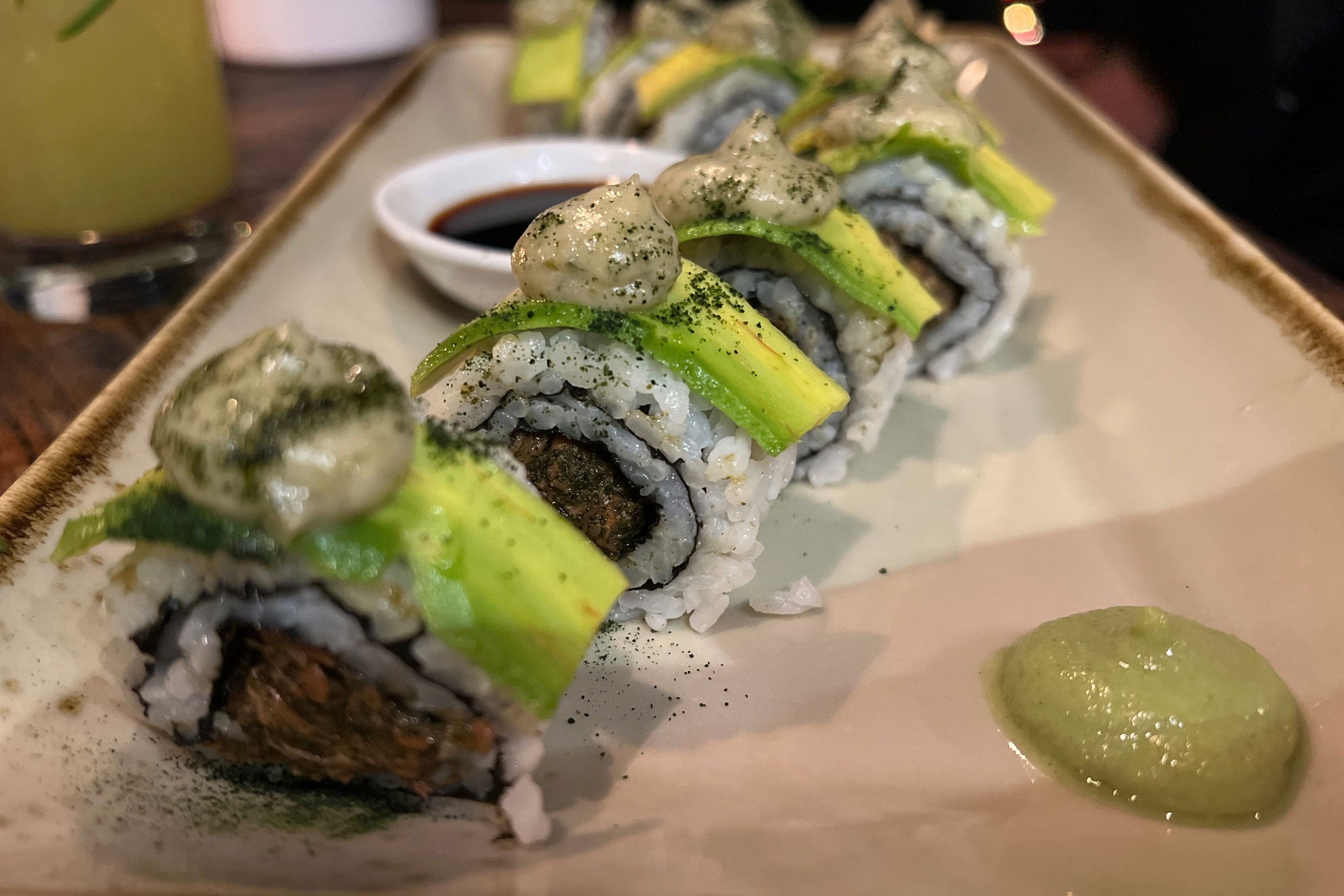
The 5 Best Vegan Spots in Ubud for Soulful, Nourishing Meals
Ubud is more than just a destination; it’s an experience, a gentle yet profound unfolding of self through nature, movement, and food. A place where the scent of incense lingers in the air, where the rhythmic chants of a nearby temple echo at dawn, and where each meal can feel like a ritual of nourishment. Among Ubud’s lush landscapes and vibrant wellness scene, plant-based cuisine flourishes. Whether you seek raw vitality, indulgent comfort, or a sacred culinary experience, these five vegan eateries offer more than just food, they connect to something more profound.
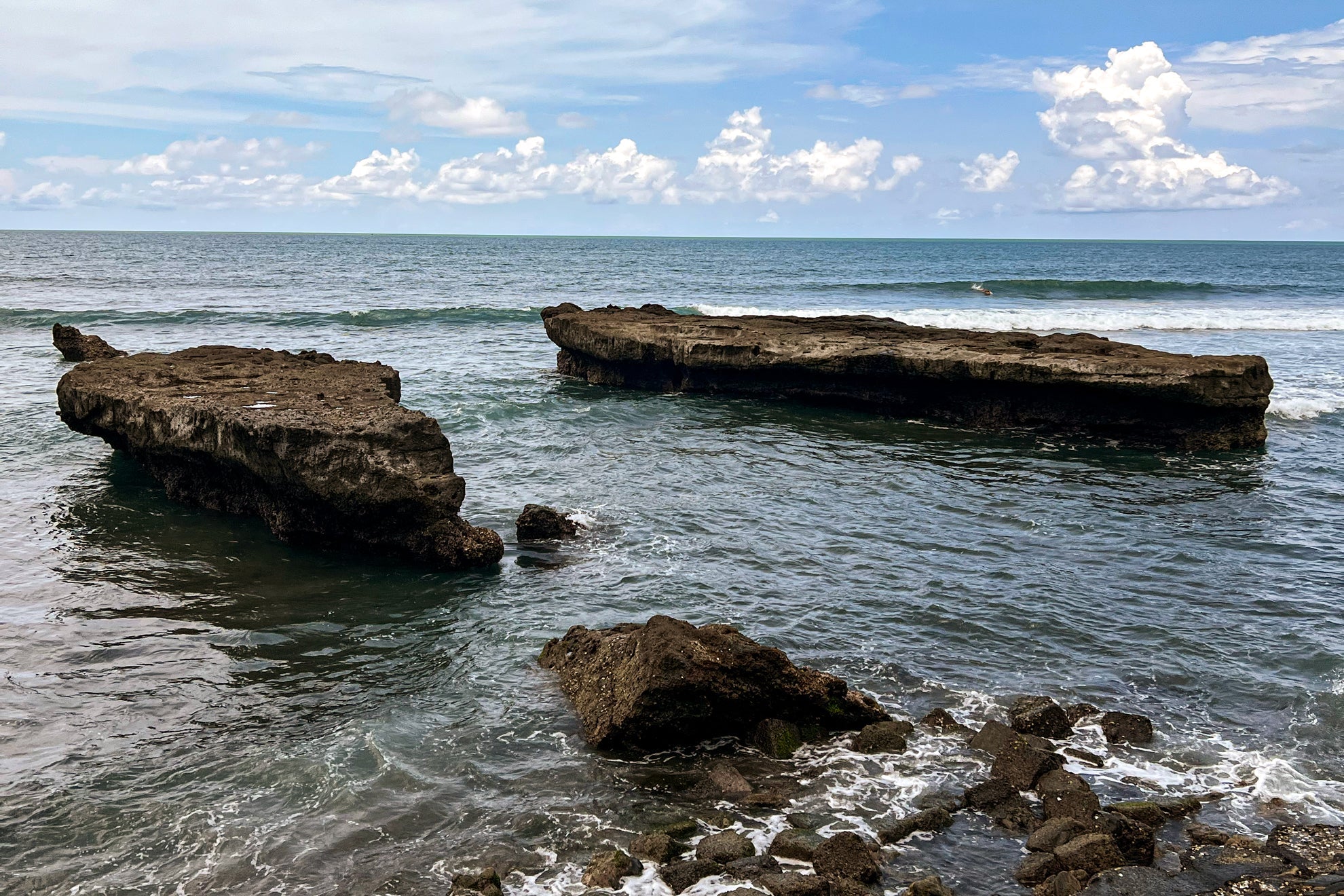
What Is It About Canggu That Makes It So Popular With Digital Nomads?
There’s something undeniably magnetic about Canggu. What was once a sleepy coastal village flanked by rice fields and quiet beaches has, in recent years, transformed into one of Bali’s most sought-after destinations. It’s a place where modernity and tradition dance in a delicate rhythm, where surfboards lean against temple walls, and coconut trees shade MacBook screens in bustling cafes. The energy here is palpable, a blend of creative ambition and deep, unhurried presence. It’s no wonder that expats, digital nomads, and wellness seekers have flocked here in droves, drawn to its effortless blend of work, play, and self-exploration.
Letting Go Lightly, With A Balinese Purification Ceremony
Yesterday, I attended a Balinese purification and blessing ceremony with Tri Desna in Ubud. While the full impact of letting go may take days, even weeks, today, I feel lighter. Rested. Unburdened. Even in the midst of a gap year, a time meant for freedom and exploration, I had unknowingly packed emotional baggage alongside my travel essentials. We all do.
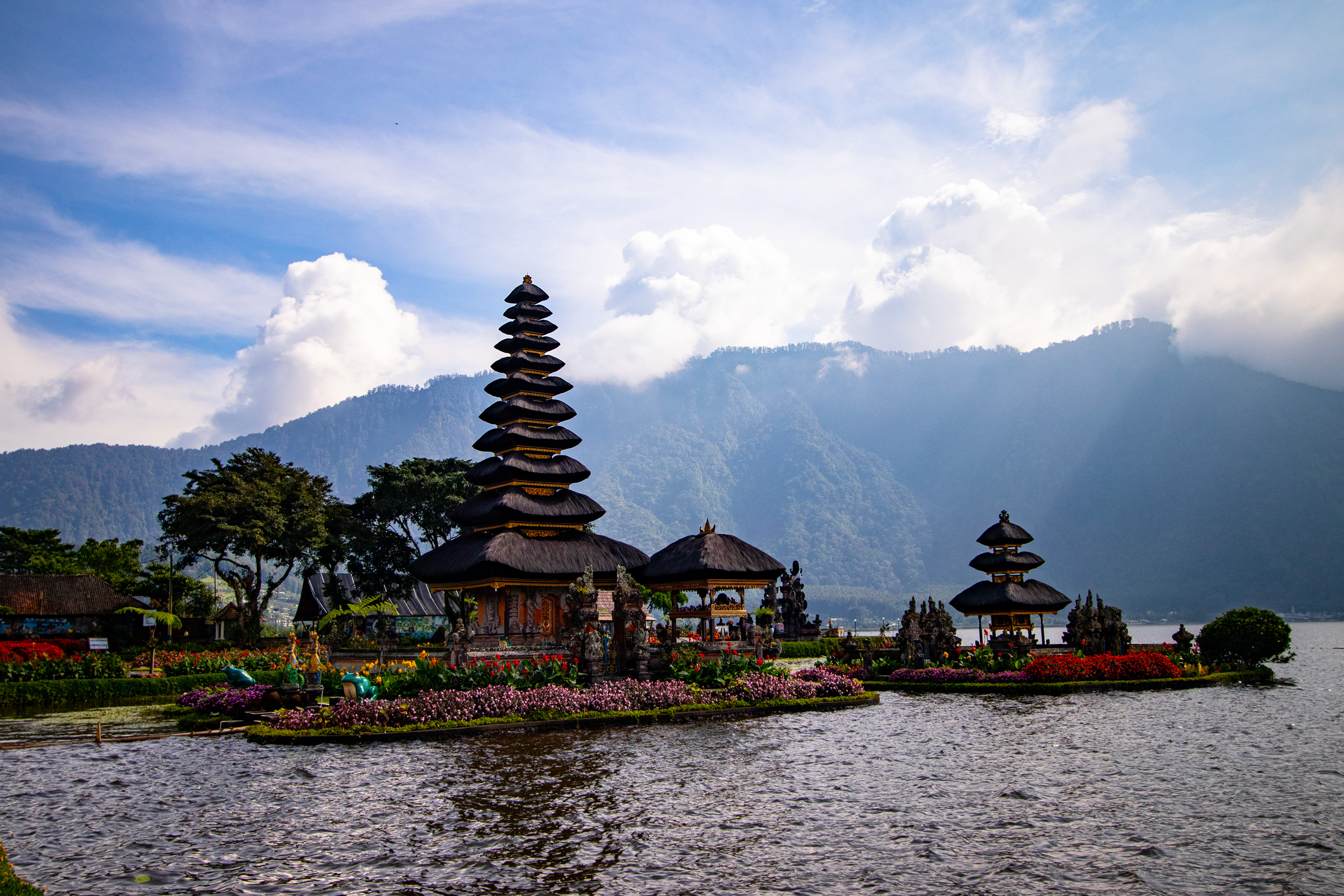
Why is Bali So Synonymous with Yoga?
Bali has a way of calling to the soul, whispering through the rustling palms and the rhythmic crash of waves. It has become one of the most recognised destinations for yoga in the world, drawing seekers from all walks of life to its lush landscapes, sacred temples, and serene retreats. But what is it about this Indonesian island that makes it such a magnet for yogis? The answer lies in a powerful combination of culture, spirituality, and natural beauty.

Living, Not Just Working: A Soulful Redefinition of Success
The first week of stepping away from a structured career into the unknown is filled with reflection. This gap year isn’t just a vacation; it’s the beginning of a deliberate shift toward living more fully, exploring new ways of being, and embracing the freedom that comes with uncertainty. It’s about letting go of the rigid structures that have defined my identity for years and stepping into a life designed around passion, purpose, and presence.
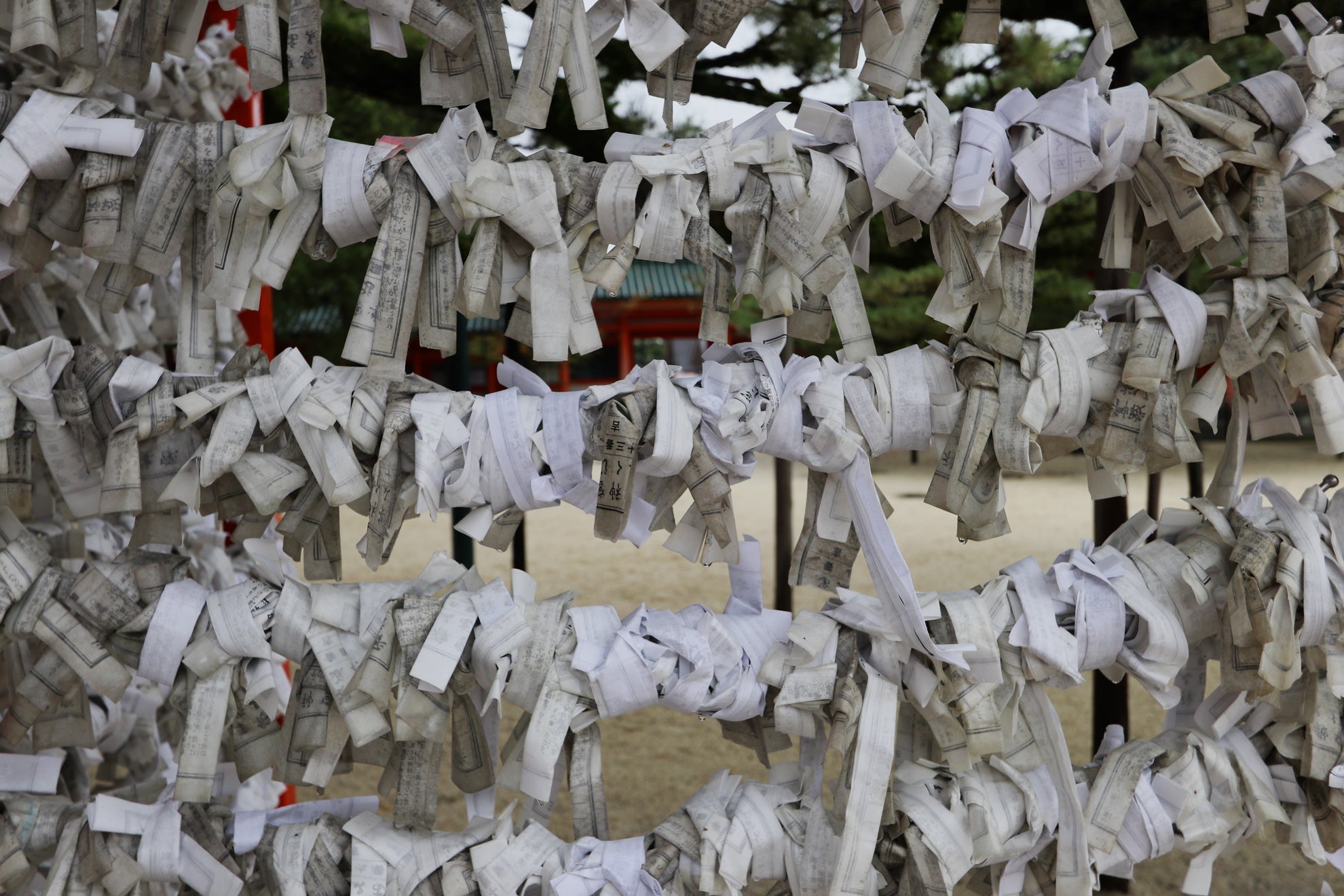
Finding Depth in Your Favourite Travel Memories
Travel is so much more than the destinations we reach; it’s about the emotions that arise, the connections we foster, and the way these experiences stay with us long after we’ve unpacked. When I think back on my most cherished journeys, I realise what makes a place truly unforgettable isn’t just the beauty of the landscapes or the moments captured on camera. It’s the deeper, more intangible essence, the way these places touch our hearts and awaken something within us.
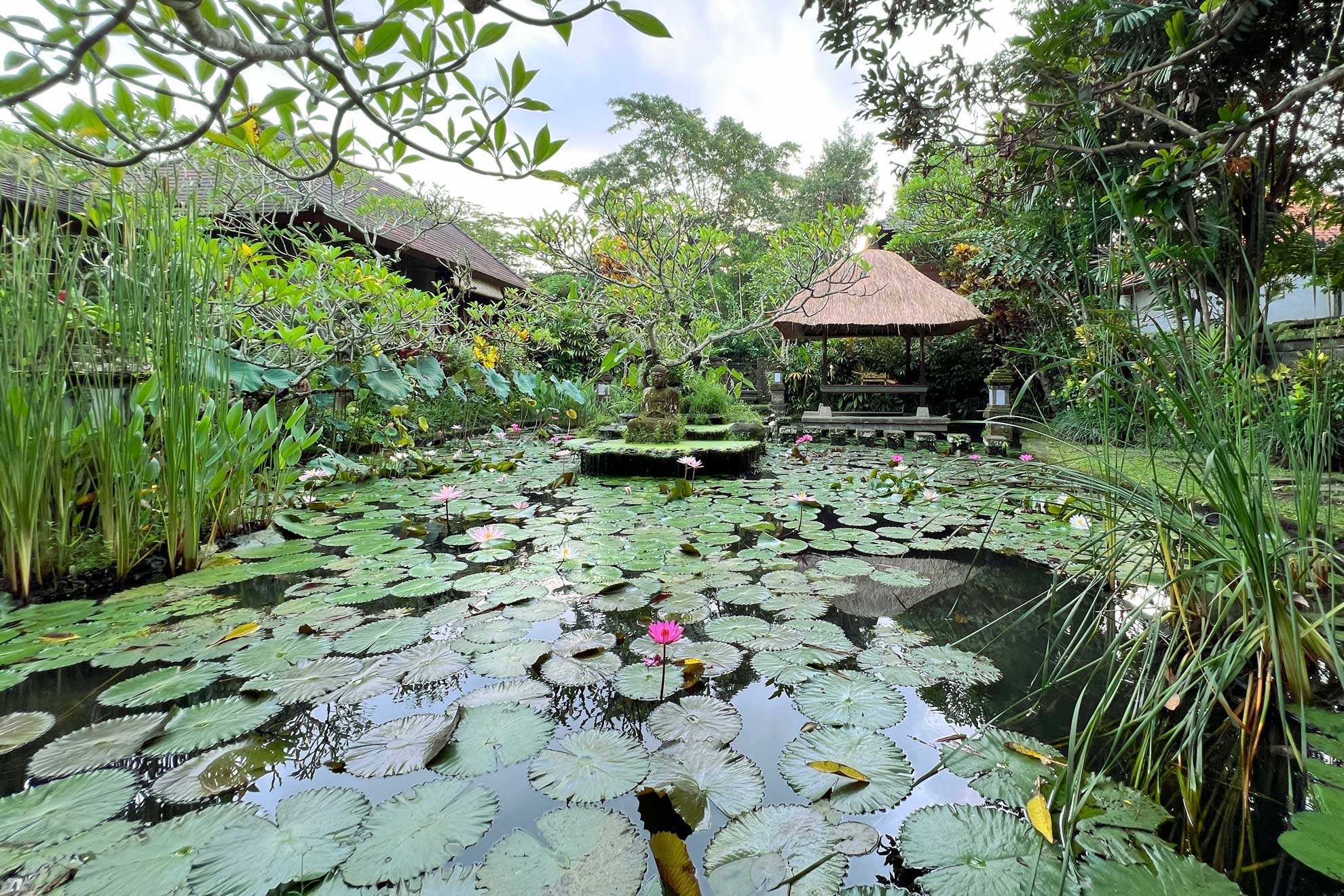
Why travel to Ubud, Bali, Indonesia?
Think about a place that is raw and dirty, rich in culture, tradition and family values, vegan-friendly and still on the list of affordable destinations. From Australia, it's Bali and if you want a slice of spirituality and yoga then it's Ubud. In January of this year, I attended a Yoga Teacher Training in Ubud and although the immersion was intoxicating and delicious in every way the place, the country and the people were amazing ingredients impossible to ignore. There is something special about Ubud and I want to try to capture it here.

A Gentle Pause: On Temporary or Lasting Sobriety
Today marks an accidental 6-month dry period. I say accidental as this time it wasn’t off the back of anything in particular. It just happened. Like many others I have done dry July and even been dry for 18 months once before. (Sounds silly now) This time feels different, it's motivated by a choice of putting myself first.

The Gift of Ugly
Have you ever met someone that is you when you are at your worst? Their fire is like your fire, only when you see it on another it looks kind of sideways, uncomfortable and a little ugly. You fight it pretending that you are nothing like this person, but once you have seen it, it’s impossible to unsee it.
Your Desired Change, Your Responsibility
It was Einstein that said, “The definition of insanity is doing the same thing over and over again, but expecting different results.” I think we all tend to do this in some capacity. We wait for a change to happen, hoping someone or something will rescue us. We can seem powerless to take responsibility.

Value & Worth Are Not Pay.
Have you ever really thought about how you determine your value, how much are you worth and if your worth is measured and paid for in currency, should it be? As a culture, we seem to be focused on how much money people have. But there has to be other ways to look at how you internally measure yourself.

Communication, Lies & Labels: Unpacking the Stories That Shape Us
What is it to communicate, and do we do it honestly? Verbal is only 7% but it's how we learn, how we trust and how we talk. How much of the other 93% do we miss, ignore or filter out. Are we all listening wrong, should we be listening with our eyes, not our ears.
A Time Without Travel
In a time such as now, it has been impossible to plan anything and those of us who used to travel the world collecting memories from all the places we visited are a little stuck. What is there to look forward to? What can we do to find this value in our everyday lives?
Loving What You Do…
When someone says they love what they do for a living, what does that really mean? Is it that they have truly fulfilled their desires or have they simply met the expectation that they set for themselves? Expectation is a belief, a perceived, and at times a hopeful outcome. What if we lowered our expectations?