Habits
8 articles

I Took the Hard Road, They Said It Had the Best Views
Here is a question I have been sitting with: If someone offered you a shortcut - not a cheat, not a bypass, but a genuine, faster way through - would you take it? Or would you need to feel your way there first? Would you need to walk the whole long road, with its wrong turns and its weather, before you trusted where you'd arrived? I have been asking myself this honestly. And the honest answer is: I think I needed the long road. Not because suffering is noble or because hardship is a prerequisite for growth. But because of something more specific to how I am wired. I needed the felt sense.
More tagged “Habits”

The Meadow of Memories: What If Every Experience You've Had Deserves Equal Ground?
It stretches as far as you can see in every direction. And in it, flowers. Hundreds of them. Thousands. Each one is a different colour, a different height, a different shape. Some of them face the sun. Some of them are bent slightly from the weather they have lived through. Some are in full bloom. Some are past their peak.

How I Finally Got My Dream Body (And Why It Had Nothing to Do With a Diet)
A Warning and an Invitation: if you are here for a quick fix, read on no more. I mean that kindly. There are plenty of places on the internet that will sell you one. This is not that place. But if you are exhausted by quick fixes. If you have tried them, lost count of how many, and arrived here with a particular kind of tired that goes deeper than fatigue, the tired that comes from fighting something for decades and not winning, then you are exactly where you need to be.

The Architecture of Awareness: Using Yoga as a Framework for Self-Study
Self-awareness is rarely accidental. It is built: slowly, deliberately and through practice. What drew me to yoga was movement. What kept me there was something far less visible: the framework it offered for understanding myself.

The Quiet Heartbreak of Watching People Stay
There is a particular kind of heartbreak that does not come from loss. It comes from watching someone you love remain in a life that is slowly dimming them. You see it in the way they speak about themselves. In the exhaustion that never lifts. In the habits they defend but quietly resent.
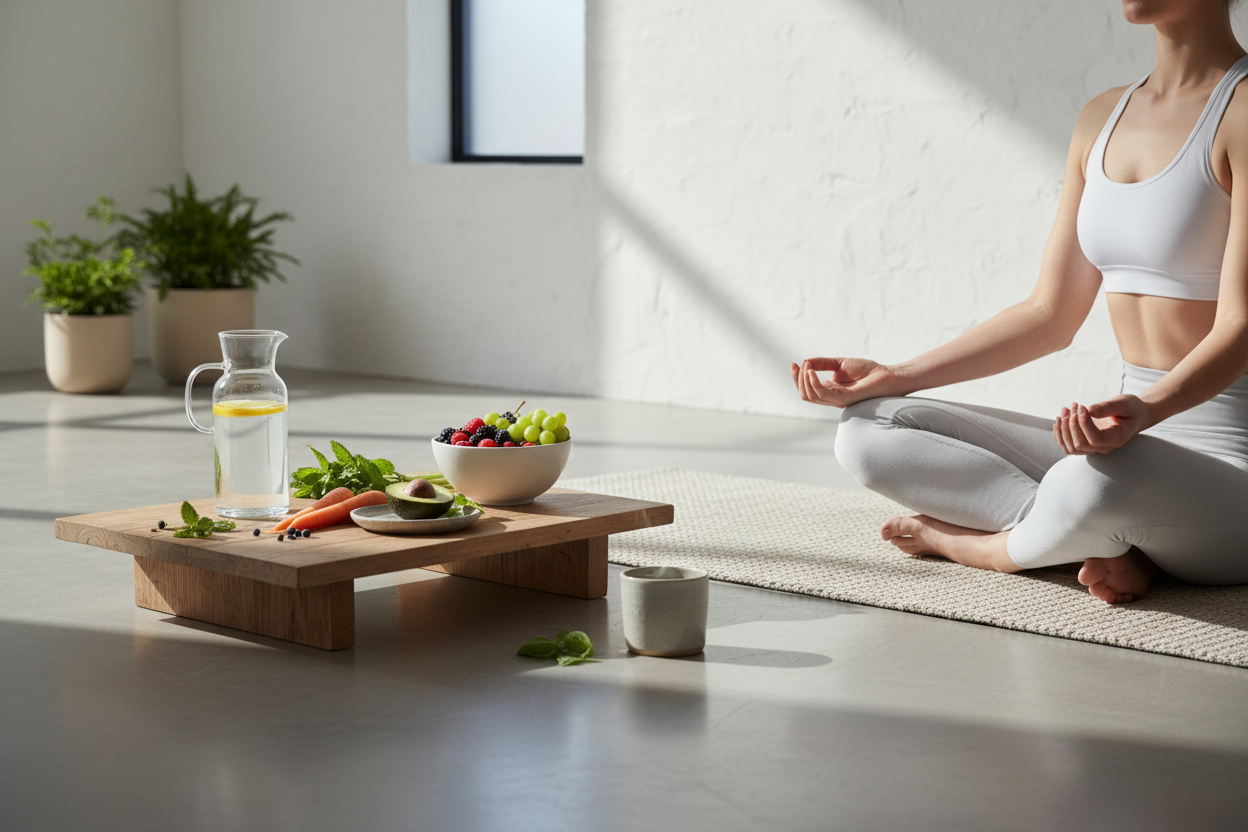
Softening the New Year: A Devoted Approach to Wellness
This isn’t a fitness routine. It isn’t a fad diet, calorie counting, or a 30-day reset. It’s something quieter, deeper, and far more sustainable. It’s a relationship. A relationship with your body, built on understanding rather than control.

Seeing Desire for What It Really Is
We often look to others to decide what we want. We glimpse a moment in their life, a success, a lifestyle, a relationship - and imagine that having what they have will complete something in us. In truth, what we’re seeing is never the full picture. It’s a snapshot lifted out of a much longer, messier, deeply human story.

Removing the Habits That Keep You Stuck: Do A Habit Audit: Hard Questions, Small Changes, Big Shifts
We all have habits that serve us, and habits that don’t. The tricky part is: sometimes the ones that don’t serve are the ones we cling to because they feel familiar, safe, known. This post will guide you through an honest audit of your habits, apply research from behavioural psychology (including key ideas from Atomic Habits by James Clear) and offer a list of very practical, gradual changes you can make, changes you control, sustainable and within reach.