After one of the most challenging years of my life, I think I've finally understood what burnout actually is. The hardest part now is watching people around me live through the same thing, with different outcomes, because I can see the signs I missed in myself.
How my burnout actually started
Here's how mine started. After a couple of years in lockdown where I'd felt creatively free, I was thrust back into the office full-time, and I needed something from the hours I'd gained to stay myself. I started a blog, partly to keep me writing every week, partly to finish a manuscript I'd had sitting in draft for years. It was working. I was writing, blogging, taking photos, and practising yoga. I thought I'd figured it out. Writing had never felt like a chore, I'd been journaling for decades, so in some ways I thought of it as rest. In hindsight, I'd never worked to deadlines before, never had to produce on schedule, and I was holding myself to a standard that was new, even if it looked relaxed from the outside.
When burnout shows up as a physical emergency
It was a normal day. A few meetings, a training course in mental health, and then, without warning, I lost the ability to speak. The words were there. I just couldn't find them, as if the connection between thought and speech had been severed. I landed in the hospital. What was first considered a possible stroke was eventually downgraded to a severe migraine presenting as one. There was no lasting damage, but I lost speech for over fifteen hours, and my cognition was limited for weeks afterwards.
Why it's so hard to admit stress is the cause
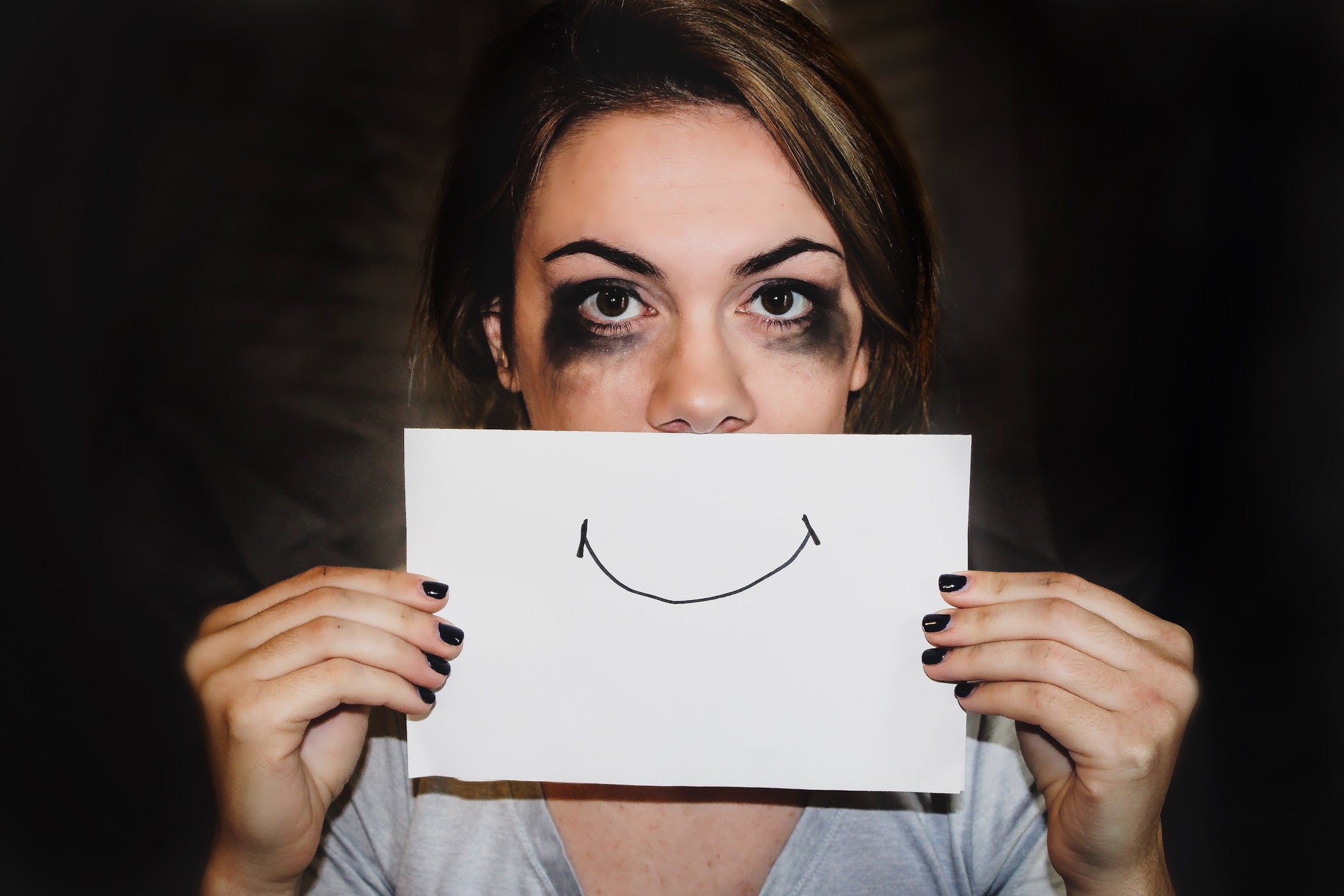
I couldn't admit, at first, that stress had caused it. Admitting that felt like admitting weakness, and I was terrified of what it would do to how my colleagues saw me, especially mid-promotion. I took two weeks off, then went back part-time, against my husband's wishes. I hated being cared for. I was desperate to prove everyone wrong, myself most of all. I waited three months for a neurologist appointment, quietly wondering if something worse was coming. Holding it together, rejecting help, forging on: that was my entire survival strategy.
It took close to nine months of treatment before I could even say the word stress out loud and mean it.
Why doing everything right doesn't prevent burnout
What's strange is that I had all the right things in place. Yoga, journaling, a job I found meaningful, a happy home. None of it mattered. What counted was what I didn't have: the ability to be okay with the messy, imperfect version of myself. I'd spent thirty years trying to be perfect, and I simply ran out of steam.
What burnout actually feels like (it's not always a collapse)
Burnout doesn't always look like mine. For me it was a jolt, a sudden physical stop. For you, it might be fatigue that doesn't lift, a flatness toward things you used to love, anxiety, getting sick more than usual, or trouble sleeping. The body has its own vocabulary for this, and it rarely shouts before it whispers.
Learning to listen before the body forces you to
Since that day, I've lived with headaches. Most of them are mild, just my body's way of telling me I need a moment, a break, sometimes nothing more than water and rest. I didn't listen the first time. I can't not listen now.
When something life-changing happens, I try to find the lesson in it and choose how much power I let it have over me. My migraines are still serious, and they might land me back in hospital one day. But they've also taught me to listen, to ask for help before I'm in crisis, to hold boundaries, to rest before I'm forced to.
Your body is the only vessel you will ever have. It has been trying to tell you something for a while now. The only real question is whether you're willing to listen before it has to make you.