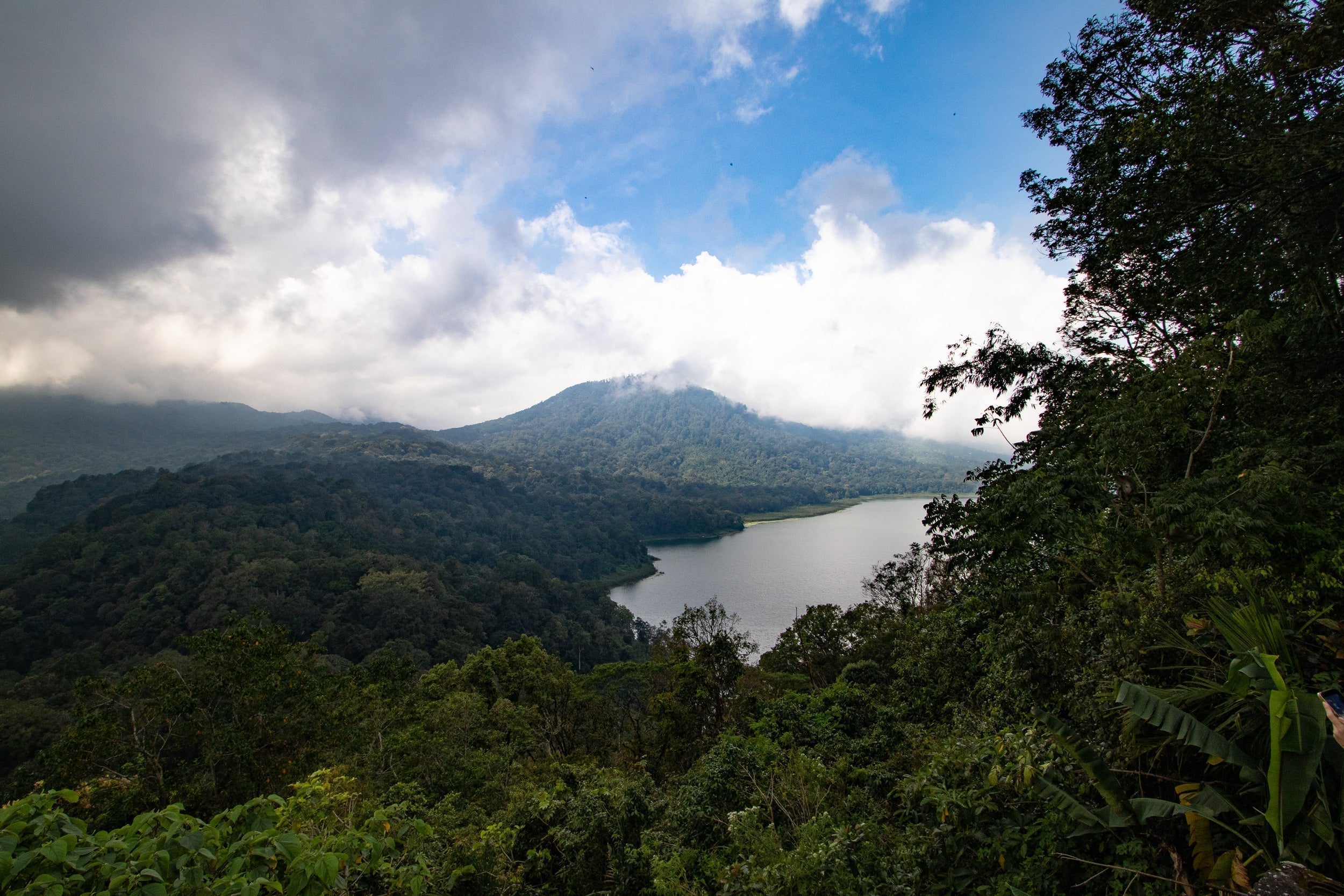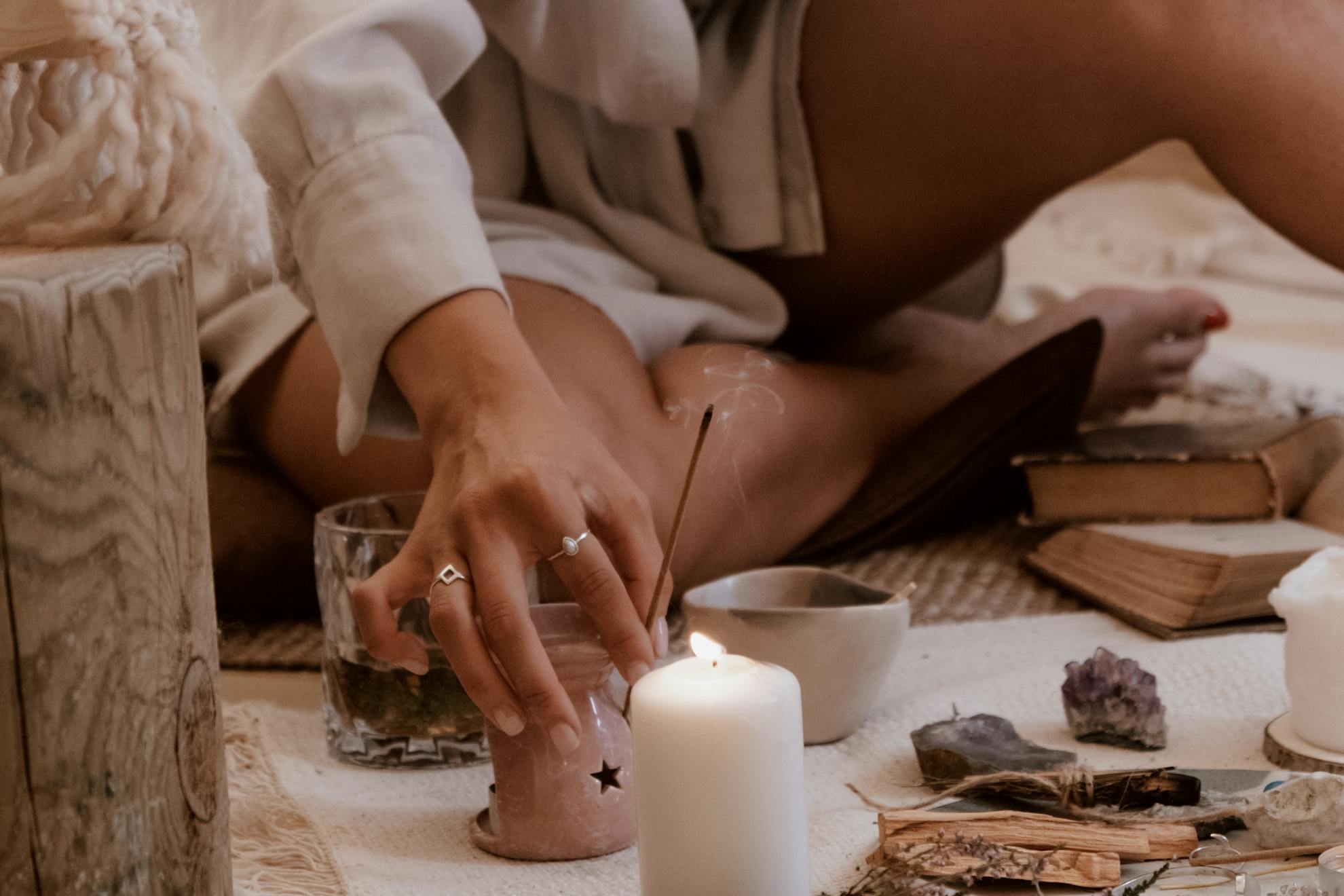
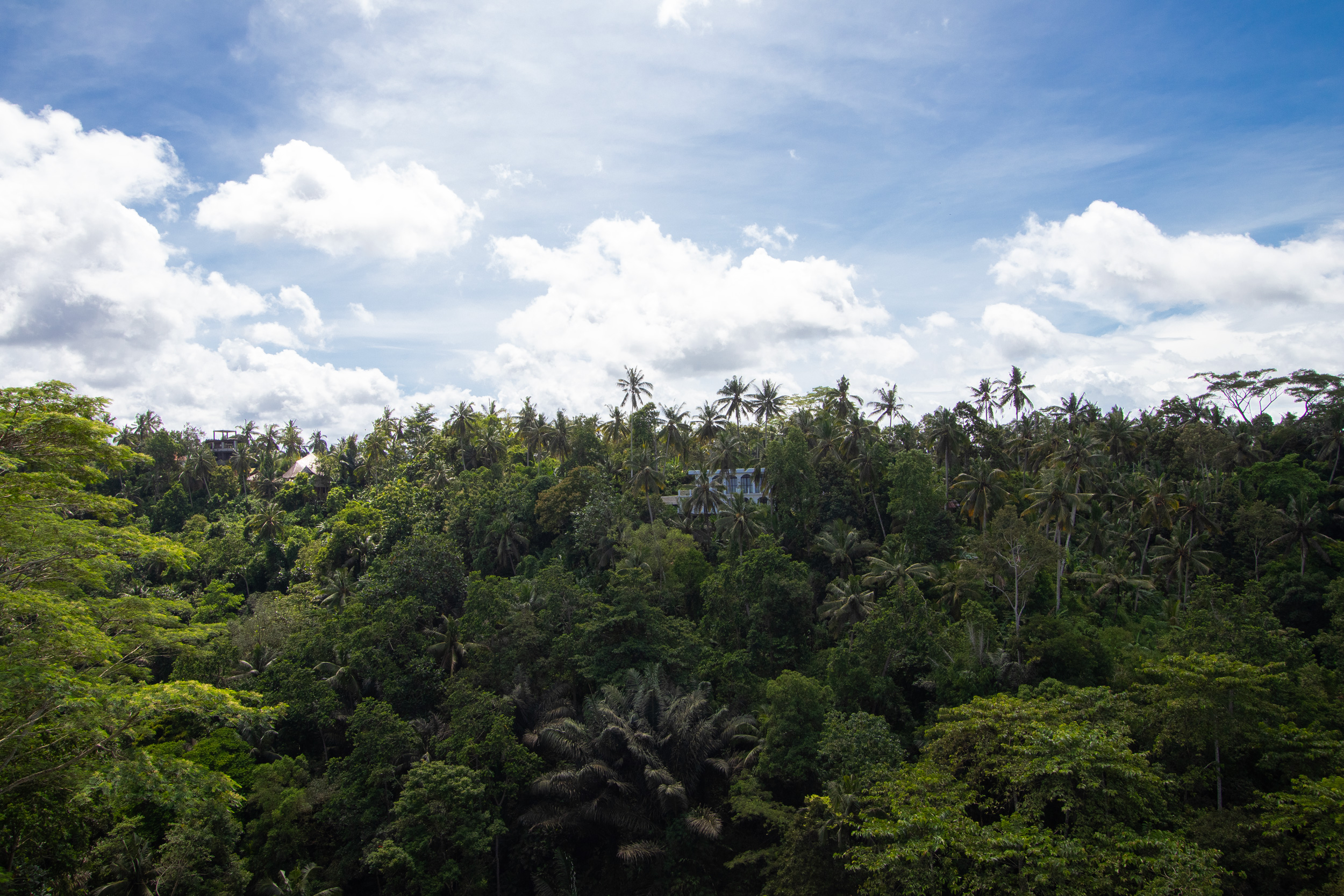
You know the smell. If you've been to Bali even once you know it before I finish the sentence. That particular combination of frangipani and sandalwood and something older underneath, something earthy and sweet and faintly smoky that hits you the moment you step outside the airport and enters your body before your brain has caught up with where you are.
For most people it lasts a day, maybe two. And then familiarity does what familiarity always does: it quietly absorbs the extraordinary into the background until you stop smelling it altogether.
I used to think that was just how it worked. That the senses dulled, that novelty was finite, that presence was something you felt in the first forty-eight hours of a new place before routine colonised it. But I've come to think that's not quite right. I don't think the senses dull. I think the attention moves elsewhere. And attention, it turns out, is a practice.
What you miss when your mind is somewhere else
I've been in Bali during periods where I barely noticed the incense. Head full of the next thing, the unread messages, the half-formed plan, the low hum of a life being managed from a phone in a tropical country. Present in location only.
And I've been there differently. Sitting with a coffee before the day started, watching the offerings being placed on the ground outside the warungs. Tiny woven trays of flowers and rice and incense, placed with such ordinary devotion that they were almost invisible if you weren't looking. The same gesture, every morning, every afternoon of every day. A ritual so embedded in daily life that it had become the texture of it rather than a separate act of meaning.
When I slowed down enough to actually see it, it changed something. Not dramatically. There was no single moment of revelation. Just a gradual opening of the frequency at which I was receiving the world.
The smell came back. Not because it had gone anywhere, but because I had.
What presence actually is
I think we've made presence sound harder than it is, or maybe softer than it is. We talk about it as though it's a state you achieve through practice, something you work toward, a reward for enough meditation or enough yoga or enough time offline. And there is something to that. Practice does help.
But the version of presence I'm most interested in is simpler and more available than that. It's just the decision to let what is actually in front of you be interesting.
The colours of changing leaves in a country that has seasons, that specific amber that happens in late autumn when the light is low and everything seems to be burning slowly and beautifully before it lets go. The way tuk tuks move through the streets of Phnom Penh like fish in a current, seemingly chaotic but governed by some collective intelligence that keeps them from collision. The texture of an ancient temple wall where you can feel, literally feel under your fingers, how weather and time and centuries of human contact have worn the stone into something both eroded and more itself. The unselfconscious laugh of a child who hasn't yet learned to edit their delight before they show it.
These moments are not rare. They are everywhere, all the time, in every place you have ever stood.
The question is always whether you were there when they happened.
The phone in the pocket
I want to be honest about what gets in the way, because I think we spend a lot of time identifying the problem without naming it plainly. The phone is in the way. Not always, not as an absolute rule, but more often than most of us would like to admit.
And it's not even the phone itself. It's the habit of the phone. The reaching for it in the quiet moment, the small pull away from wherever we are toward the infinite scroll of everywhere else. The way it has trained us to treat stillness as a problem to be solved rather than an opening to be entered.
I notice this most in myself in moments that are genuinely beautiful. The reflex to photograph before I've actually looked. The impulse to share before I've fully received. As though the experience isn't quite real until it's been documented and offered to someone else for their response.
There's nothing wrong with photographing beautiful things. But there is something worth examining in the sequence. See it, feel it, be in it first. Then, if you want, take the photograph. The image will be different for it. You can tell when someone was actually present when they took a photograph. The eye that has actually seen something takes a different picture than the one that is simply pointing a screen at a subject.
Arriving, properly
The incense in Bali is still there. It will be there the next time you go, or the time after that. The question is whether you'll be there with it.
Not managed from a distance, there. Not physically present while mentally composing the caption there. Actually, there, in the body, in the breath, in the smell and the sound and the particular quality of the light at that hour in that place on that morning.
That kind of arriving is available everywhere. You don't need Bali for it, though Bali helps, something about that particular convergence of beauty and ritual and slow heat tends to make it easier to receive.
What you need is a little more willingness to let the world in before you start managing your response to it.
Start with the smell. Let it reach you before you do anything else with it.