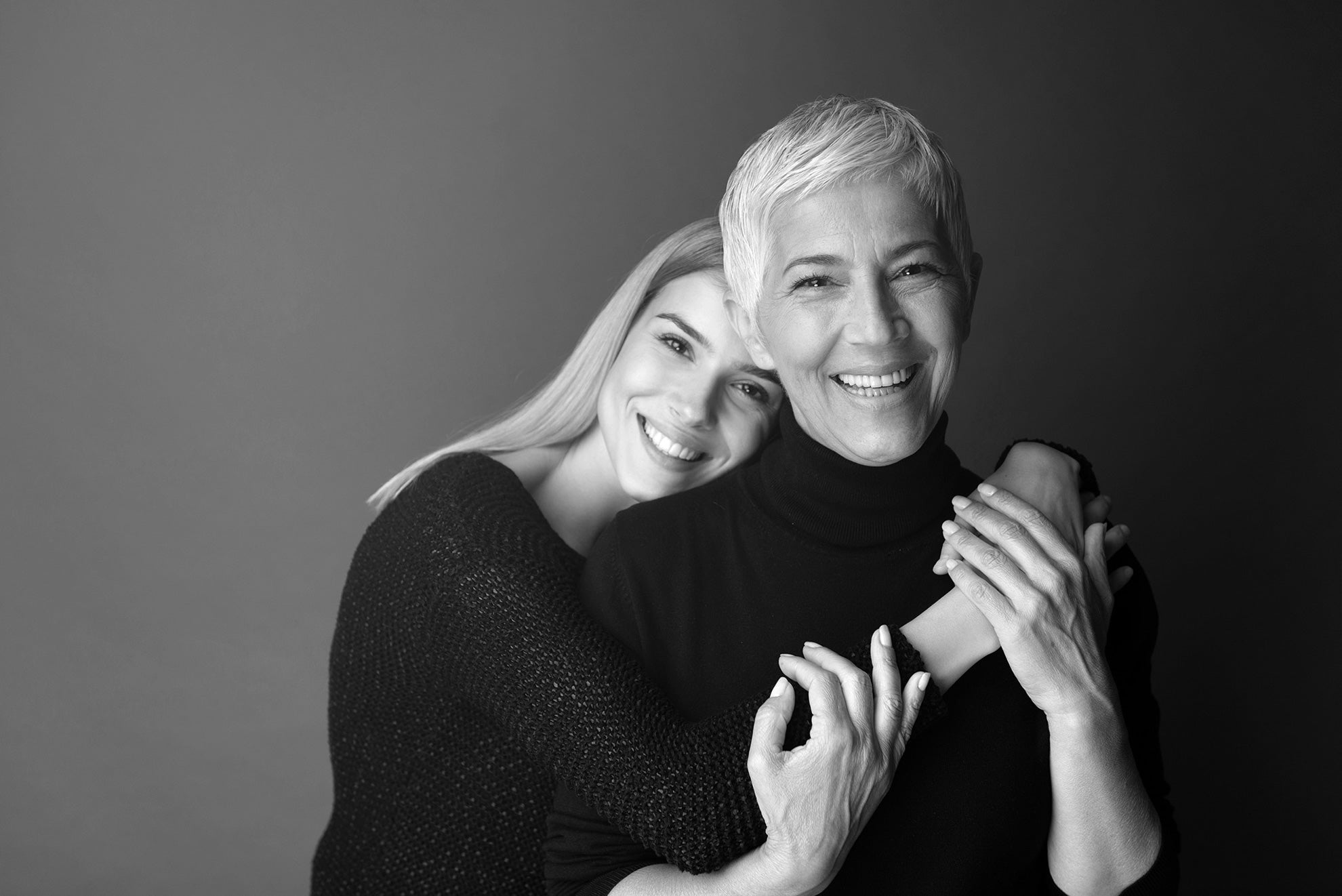
A child's version of family looks nothing like an adult's, and it shouldn't. Children need their parents. Feeding, clothing, warmth, safety: it's not complicated. But somewhere along the way that dependence shifts, and most of us go quiet about it. We avoid the family gatherings we used to look forward to. We share a filtered version of ourselves with the people who spent decades making sacrifices for us.
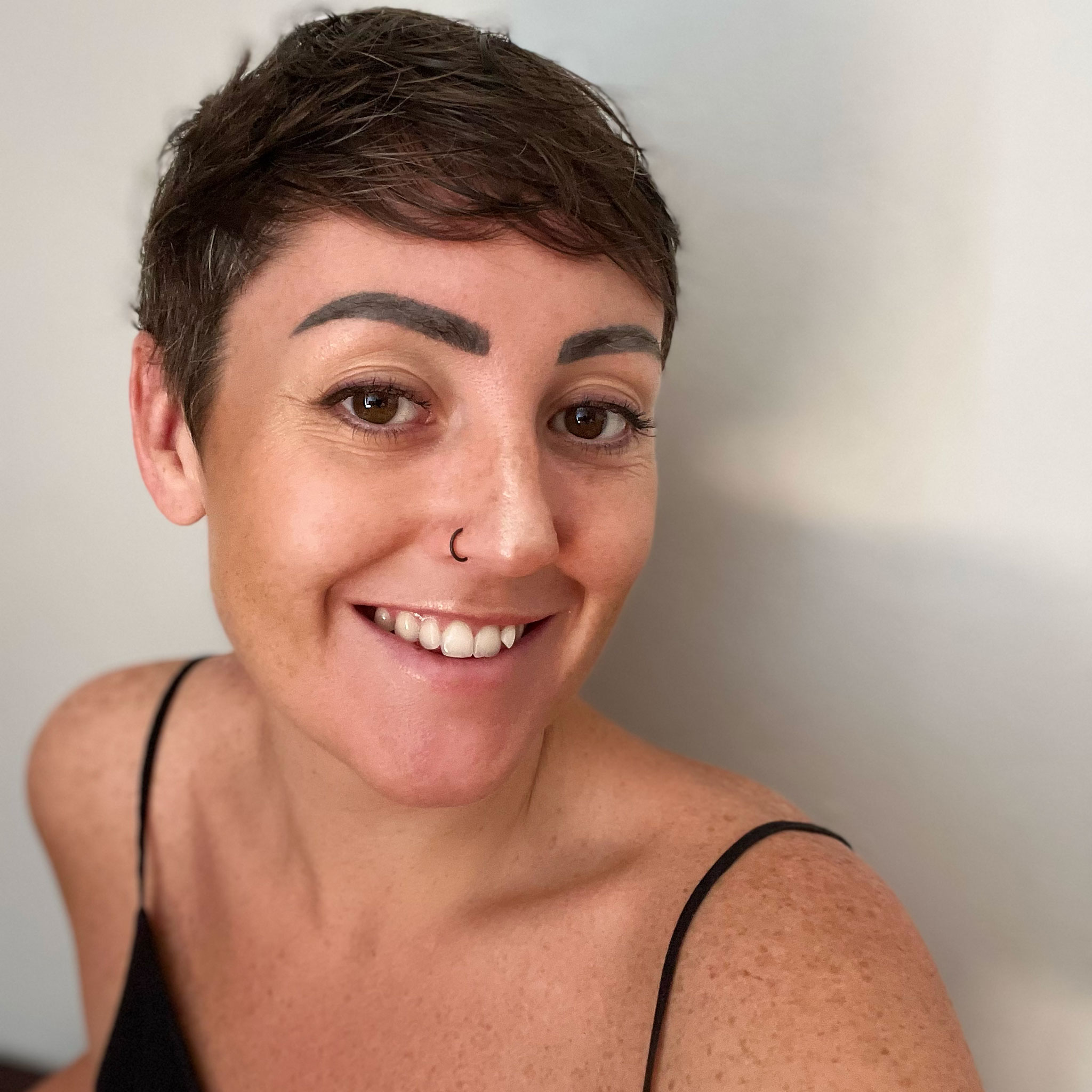
A disclaimer, since it shapes everything I'm about to say: I'm in my thirties, and I've lived on the opposite side of the world to my parents for most of my adult life. My version of family was never going to be conventional.
Why do we start to see our parents differently?
At some point in our twenties or thirties, most of us start looking at our parents through a different lens. Not because they changed, but because we did. We've gained a deeper understanding of how childhood experiences shape adult behaviour, and we can't help but apply that lens backwards onto the people who raised us. We start to see the mistakes more clearly. We remember that they were, after all, only human.
This shift can either widen the gap between you or quietly begin to repair it, depending on how much space you give yourself to grow without punishing them for being imperfect. With a little space, there's room to grow into your own person. Without it, you risk slowly becoming a copy of the people who raised you, which, if we're honest, almost none of us actually want, including the people who raised us.
What's interesting is that this same fork in the road shows up again later in life, for our parents, too. Some people keep growing and updating their views as they age. Others get stuck, holding onto opinions and assumptions that stopped being useful decades ago. Psychologically, both versions, young adults finding their own identity and older adults clinging to theirs, are responses to the same underlying question: Do I let myself keep changing, or do I hold onto who I already am because change feels too uncertain?
When distance changes the relationship
This shift in perspective gets a lot more complicated when there's also physical distance involved, and I know this from the inside.
I moved away from my parents at twenty-two and learned very quickly what it meant to be an individual, separated from them by land, sea, and roughly seven billion other people. It's what I wanted and needed at the time. But we spent years making the wrong assumptions about each other from opposite sides of the planet, and the relationship has carried that weight ever since.
There's a particular kind of tension in accepting that you no longer need your parents in quite the way you once did, even when that shift is healthy and necessary. That change can land as rejection, even when it isn't meant that way. Add distance to the mix, and it can feel like abandonment on both sides. They're always going to be your parents. A level of respect usually stays appropriate, assuming the relationship was reasonably healthy to begin with. But the struggle of renegotiating what they mean to you, and what you owe them, is real and common, distance or not.
Communication and boundaries with the people who raised you
I wish someone had told twenty-two-year-old me how to navigate that transition with more honesty and less assumption. The distance added its own complications, but the underlying work would have been the same no matter where I'd ended up living: communicate honestly, hold boundaries with kindness, and stay as close as you reasonably can, even if that closeness sometimes just means a phone call instead of a visit.
When did you last ask a parent, directly, are we okay? What does this relationship need right now? All relationships need maintenance, including the ones we were born into.