Mantra
6 articles

Meditation Myths Debunked: How to Actually Begin (Or Begin Again)
I have lost count of how many people have told me they can't meditate. Sometimes they say it with a kind of proud resignation, I've tried, I'm just not that kind of person. Sometimes, with a frustration that suggests they genuinely wanted it to work. Sometimes with a faint embarrassment, as though they've failed at something that seems to come easily to everyone else.
More tagged “Mantra”
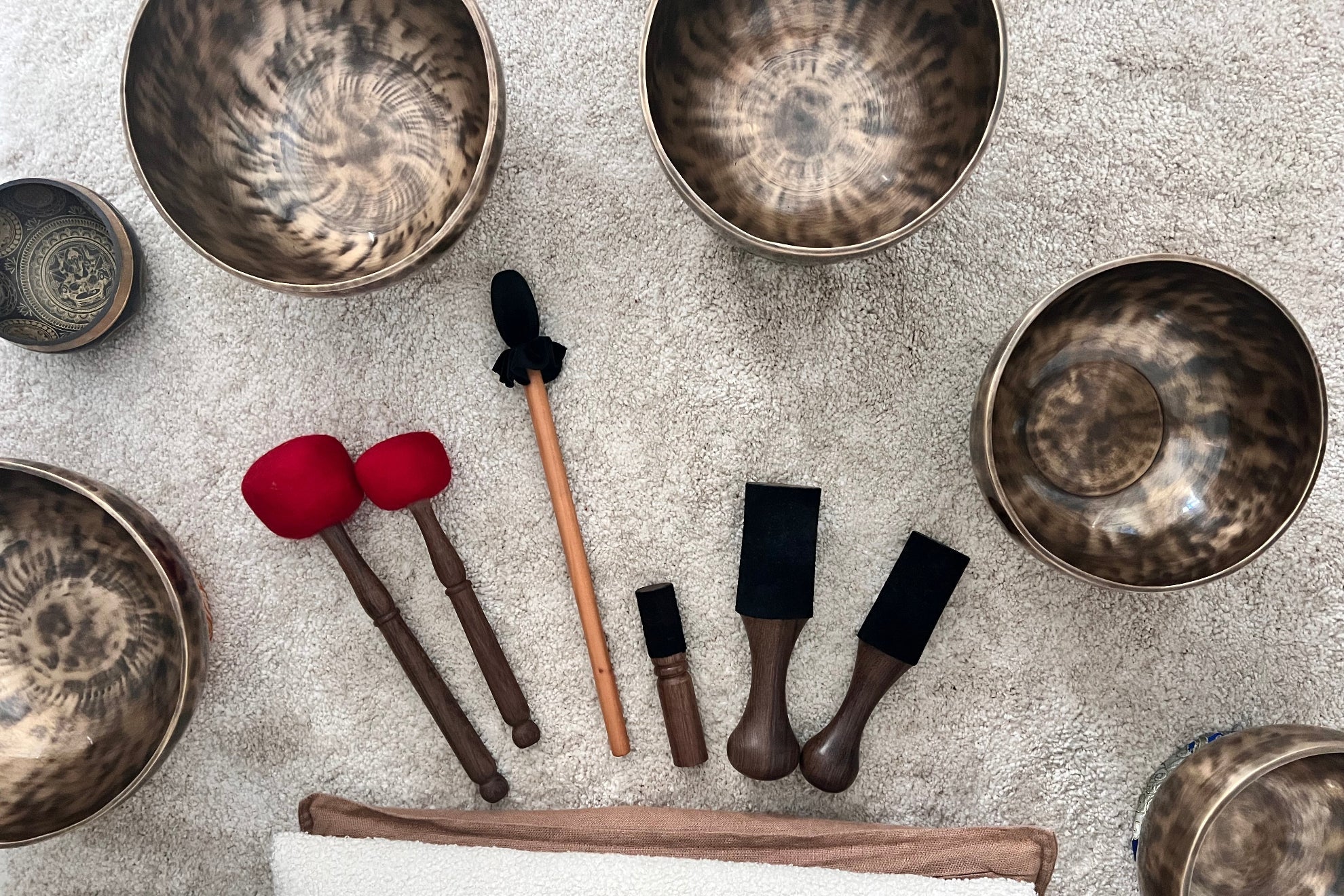
Sound Healing in Yoga: Why Learning to Receive the Tones Changes Everything
The first time I experienced a sound bath, I didn't quite know what to do with myself. I lay there, watching the ceiling, waiting for something to happen and then frustrated with myself for waiting, because weren't I supposed to just... let go?
Yoga: Unlocking the Inner Technology of Consciousness
We often think of technology as something external, built, coded, controlled. Yet long before the hum of machines and the glow of screens, there existed another kind of technology: one that required no devices, only awareness. Ancient yogis discovered that within each of us lies an intricate network, a system of energy, emotion, and intelligence, capable of profound transformation when we learn how to access it.

Yoga as a Framework for Wholeness
Yoga has always been more than movement. Long before it became a practice of postures, it was described in the ancient texts as a complete framework for living with steadiness and clarity. The Yoga Sūtras of Patañjali remind us: “Yoga is the stilling of the fluctuations of the mind.” (Yoga Sūtras I.2)
Everyday Moments That Are Yoga (Without You Realising)
Yoga is often thought of as postures on a mat or quiet studio time. Yet the ancient texts describe it far more broadly, as a framework for cultivating steadiness, awareness, and presence in every aspect of life. The Yoga Sūtras tell us:
Transformation: What It Is and Why Yoga Retreats Promise It
Transformation is a word we see everywhere these days, especially on retreats. But what does it really mean? And why are so many retreats offering it as part of their experience?