
I have lost count of how many people have told me they can't meditate.
Sometimes they say it with a kind of proud resignation, I've tried, I'm just not that kind of person. Sometimes, with a frustration that suggests they genuinely wanted it to work. Sometimes with a faint embarrassment, as though they've failed at something that seems to come easily to everyone else.
Here is what I want to say to all of them: you are not failing at meditation. You have just been handed a myth or two about what it is.
Myth 1: The goal is to stop thinking
This is the big one. The most common reason people give up.
They sit down, close their eyes, and promptly become aware of an extraordinary number of thoughts. Groceries. That email. That thing they said three years ago. A song.
And because they have been told, or have assumed, that the goal is a quiet mind, they conclude that they have failed.
But the mind thinks. That is what it does. The practice of meditation is not to stop thinking. It is to notice that you're thinking, and gently, without drama, return your attention to the anchor, the breath, the body, the sound in the room.
The return is the practice. You will do it hundreds of times in a single session. That is not failure. That is exactly what it looks like to meditate.
Myth 2: You need a long time to do it properly
Meditation has a marketing problem. Somewhere along the way, it became associated with monks and hour-long sessions and a level of dedication that most people with jobs and children and lives do not feel they have access to.
But the research on even brief, consistent meditation practice is compelling. Five minutes of deliberate attention — genuinely showing up for five minutes- can begin to shift the nervous system over time.
Consistency matters more than length. A little, regularly, honestly, is worth more than an hour once a fortnight.
Myth 3: You have to be calm to meditate
The idea that you should wait until you're calm to meditate is a bit like waiting until you're fit before you go for a walk.
You bring yourself to the practice as you are. Anxious, scattered, grieving, distracted, exhausted, wired. All of it is welcome. The practice is not asking you to arrive transformed. It is asking you to arrive.
In fact, the most useful sessions I have had, as a student and as a teacher, have often begun with resistance. With a body that wouldn't sit still. With a mind that had a great deal to say about the whole endeavour.
Because that friction is information. And the practice creates just enough stillness to begin to read it.
What Meditation is actually asking of you
Beneath the myths, meditation is a deceptively simple practice.
It is asking you to be here. Fully, deliberately here. Not planning. Not reviewing. Not constructing the story of yourself. Just: present.
And what you find in that presence, beneath the noise, beneath the commentary, beneath the endless doing, is something quieter and more steady than most people expect.
Your breath. Your body. The hum of being alive.
Everything you need to navigate this life is already in there. The practice doesn't put it there. It just quiets the surface enough that you can hear it.
You don't need to become someone else to meditate. You just have to quiet the body enough to hear what's already there.
How to begin
Start smaller than feels sufficient. Sit for three minutes. Use a timer. Focus on the physical sensation of breath — not the idea of breath, the actual sensation: the nose, the ribcage, the belly.
When your mind wanders, and it will, notice it without commentary, and return. That's the whole practice.
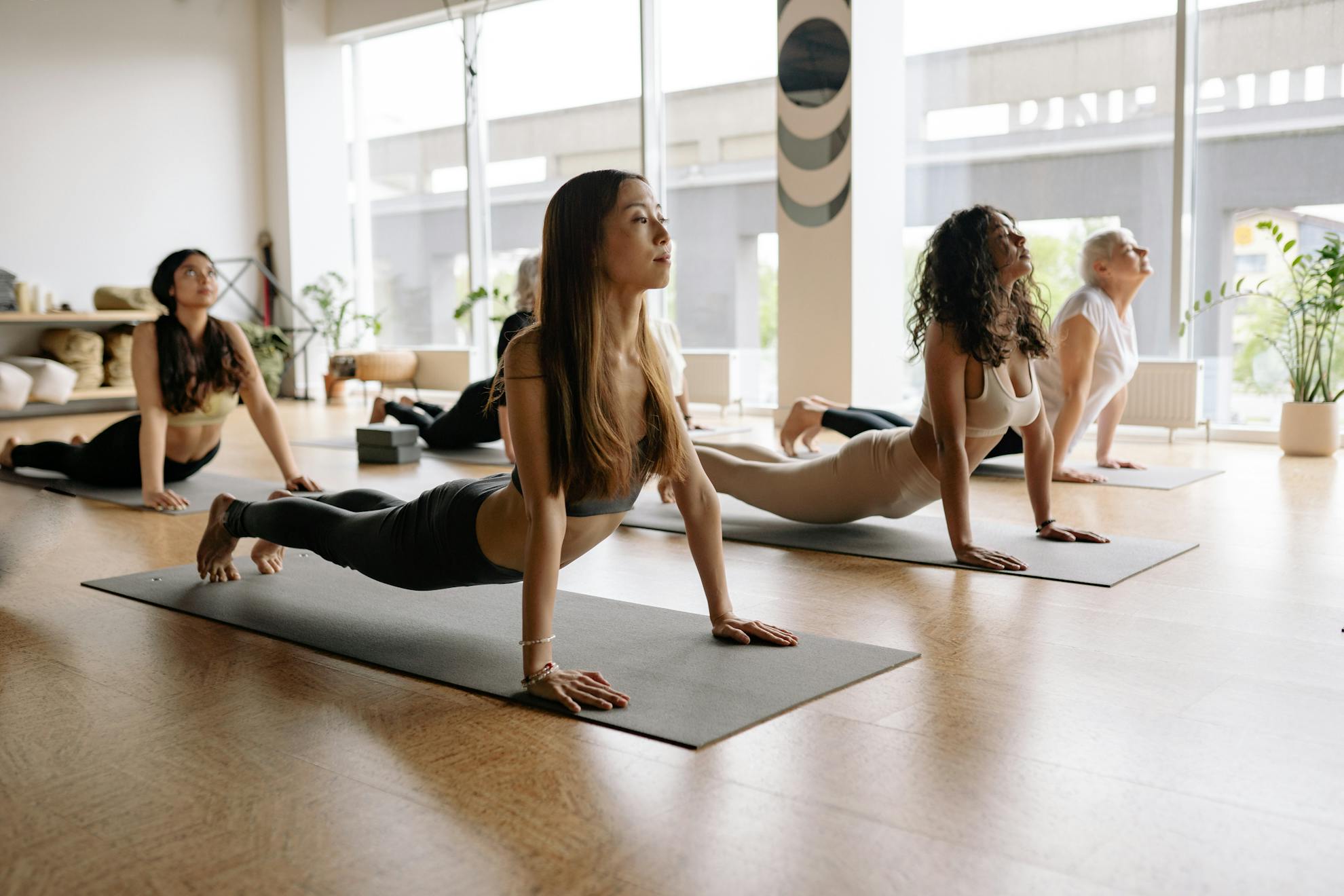
If you want guidance, structure, and community as you build this habit, the Sunday meditation course in Melbourne is designed for you. Five weeks of in-person sessions were held. An introduction if this is new to you, an expansion if you've been here before.
In-person meditation course, Melbourne, five Sundays in May. Limited spots available. Online course coming soon: join the waitlist below.