Nervous System & Emotional Regulation
45 articles
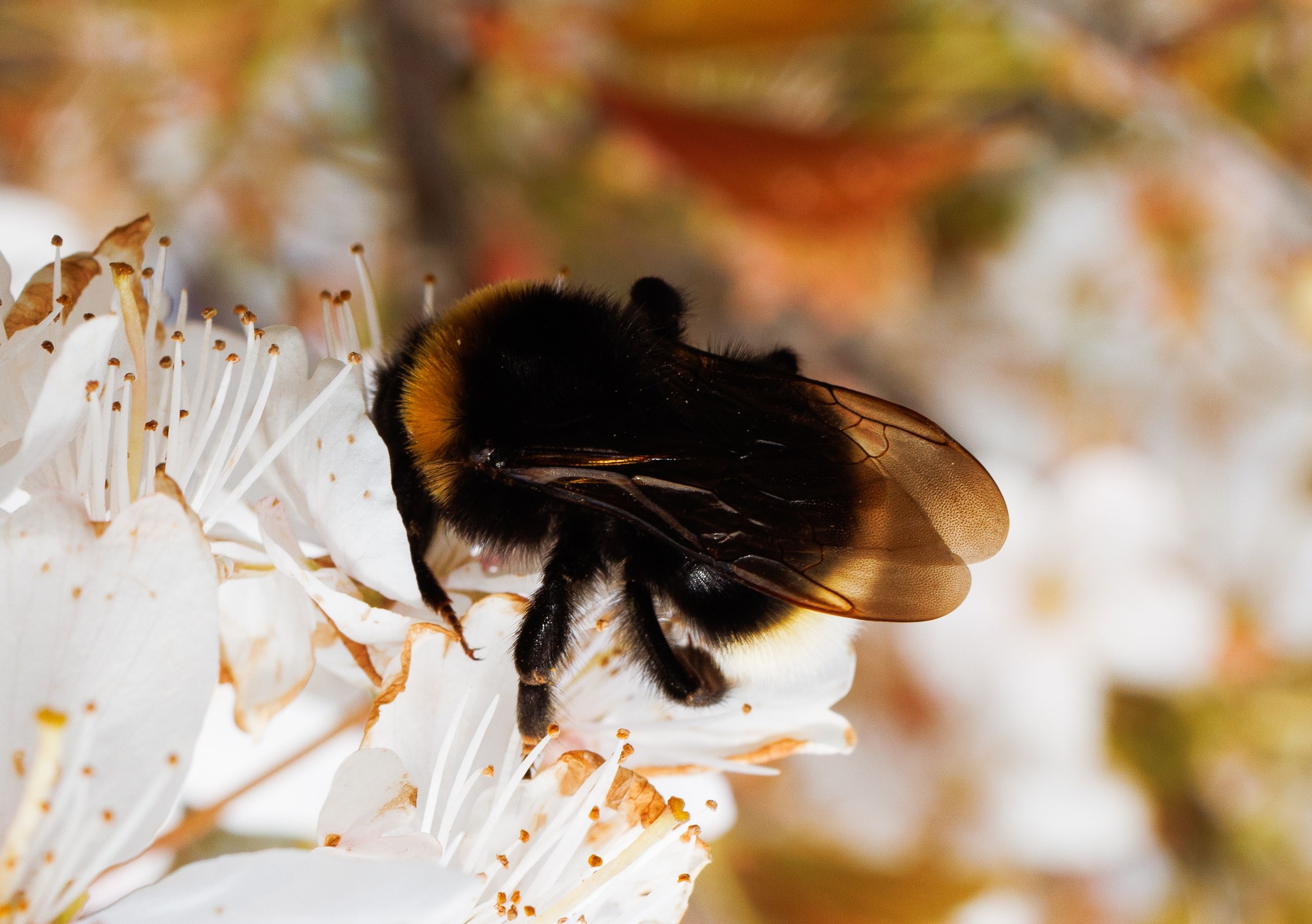
Bhramari: The Ancient Humming Practice Your Nervous System Has Been Waiting For
Bhramari, the ancient humming bee breath, is one of the most immediate and underestimated tools available for a nervous system in overdrive and once you understand why it works, you may never reach for anything else first.
More in Nervous System & Emotional Regulation

The Fawn Response: The Survival Pattern That Looks Like Kindness
For a long time, I thought I was just a considerate person. I noticed what people needed before they asked. I adjusted my energy to match the room. I smoothed things over, kept things light, and made sure no one left a conversation feeling worse than when they entered it. I apologised quickly and often. I was told I was easy to be around.

The Science Of A Nervous System Supportive Routine: What Your Body Actually Needs
I want to start with something that might be a relief to hear: a nervous system-supportive routine doesn't need to be elaborate. It doesn't require an hour in the morning before the world asks anything of you. It doesn't require a cold plunge, a meditation cushion, a supplement protocol, or the kind of disciplined sequencing that looks good written down and feels exhausting in practice.
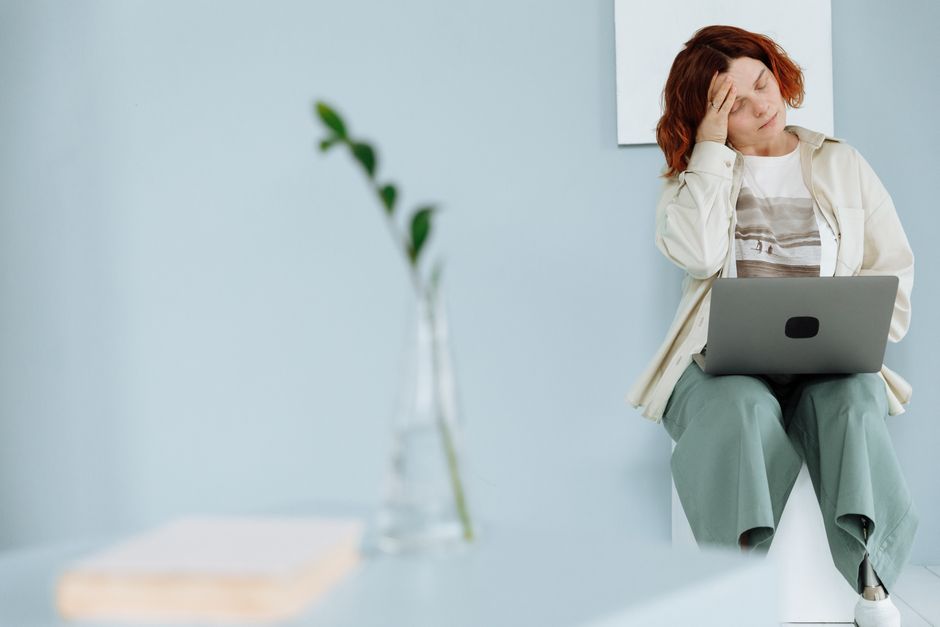
High-Functioning Anxiety: When You Look Fine But Feel Anything But
You get things done. You show up. You are dependable, often impressive. You have a good sense of humour about the pressure you're under. You are, in most of the ways that are visible, fine.
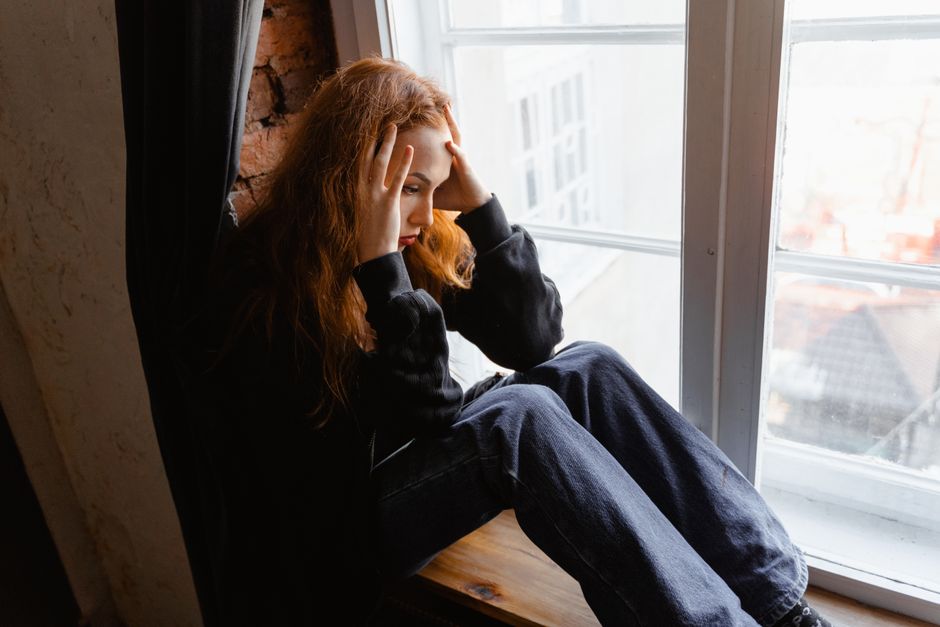
What Anxiety Actually Is, and Why Telling Yourself to Calm Down Doesn't Work
The instruction to calm down is one of the least useful things you can offer an anxious person. Including yourself. I say this not to be contrary, but because understanding why it doesn't work gets you much closer to what does. And what it comes down to is this: anxiety is not a thought. It's a bodily state. And you cannot think your way out of a body state.

The 5 Stages of Burnout: How to Know Where You Are
One of the most disorienting things about burnout is that you often don't see it coming. Not because it isn't happening, but because many of its early stages look, from the inside, like exactly the right thing to be doing.

What Biohacking Gets Wrong About Wellness: Why You Can't Optimise Your Way to Okay
Most of us turn to biohacking hoping that the right protocol will finally make us feel like ourselves again, but what if the very premise of optimising your body is part of what's keeping you stuck? This piece gently unpacks why measuring and fine-tuning can only take you so far, and what we might be missing when we treat wellness as an engineering problem.

Fight, Flight, Freeze or Fawn: Your Complete Guide to the Nervous System's Survival States
Something happens, a tense message, a raised voice in the next room, a silence from someone who usually replies quickly, and your body responds before you've finished processing it.
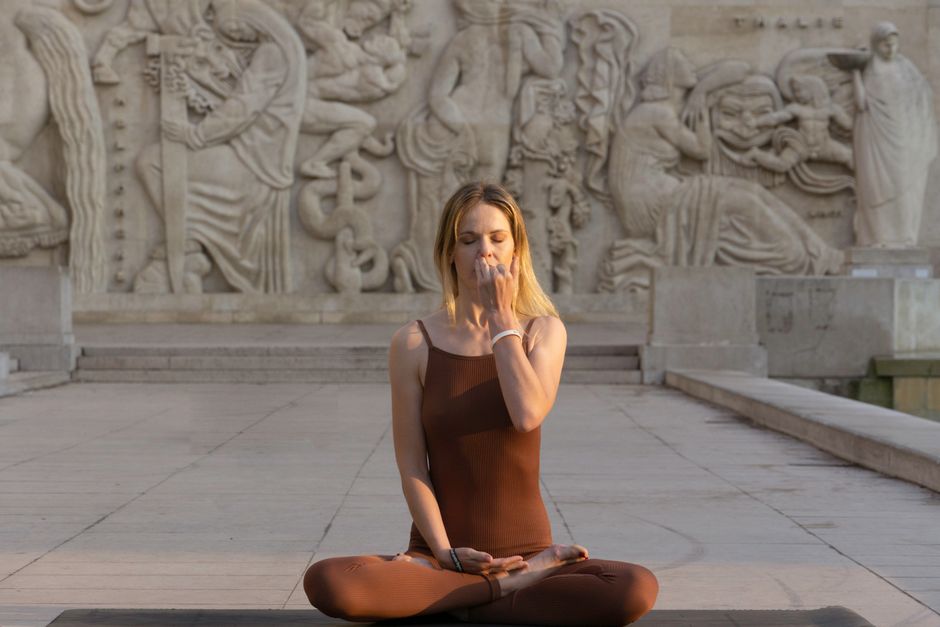
Anxiety in the Body: How to Feel It Without Being Overwhelmed
Understanding where anxiety lives in your body, and learning to work with it there, is a different and often more effective approach than trying to address it at the level of thought. Because by the time anxiety shows up as thought, it's already been present in the body for a while. The thought is often the last thing to arrive.

Where to Begin When Starting Over Feels Overwhelming: A Gentle Guide
Someone asked me recently: how do you know when you're ready to start over? And my honest answer was: you usually don't. You start before you're ready, because the alternative, staying still in something that no longer fits, has finally become more uncomfortable than the fear of moving.
How Your Body's Hidden Wisdom Keeps You Balanced: The Life-Changing Science of Homeostasis
There is something happening in your body right now that you are not consciously directing. Your heart rate is adjusting. Your breathing is shifting. Hormones are being released and reabsorbed. Temperature is being regulated. Blood is being routed. All of it, simultaneously, without a single deliberate thought from you.
The Five Nervous System States, Which One Are You In Right Now?
Before I understood the nervous system, I understood my moods as a kind of weather. Unpredictable. Arriving without explanation. Something to manage or wait out. What I did not understand was that my moods had a physiology. That there was a biological logic to why I sometimes felt wired and reactive, why I sometimes felt numb and distant, why some days I could meet everything with relative steadiness and other days the smallest thing felt unbearable.
Meditation Myths Debunked: How to Actually Begin (Or Begin Again)
I have lost count of how many people have told me they can't meditate. Sometimes they say it with a kind of proud resignation, I've tried, I'm just not that kind of person. Sometimes, with a frustration that suggests they genuinely wanted it to work. Sometimes with a faint embarrassment, as though they've failed at something that seems to come easily to everyone else.

The Words & Contemplations Podcast: Conversations, Meditations and the Things We Wish Someone Had Said Sooner
There is a particular kind of company that a podcast can offer. You are driving somewhere, or walking somewhere, or doing the necessary but not particularly fulfilling task of existing in the world, and there are two voices in your ears. You don't know these people, not really. But you've grown fond of them in the way you grow fond of anyone who is consistently honest with you about the things that matter. We wanted to build that.
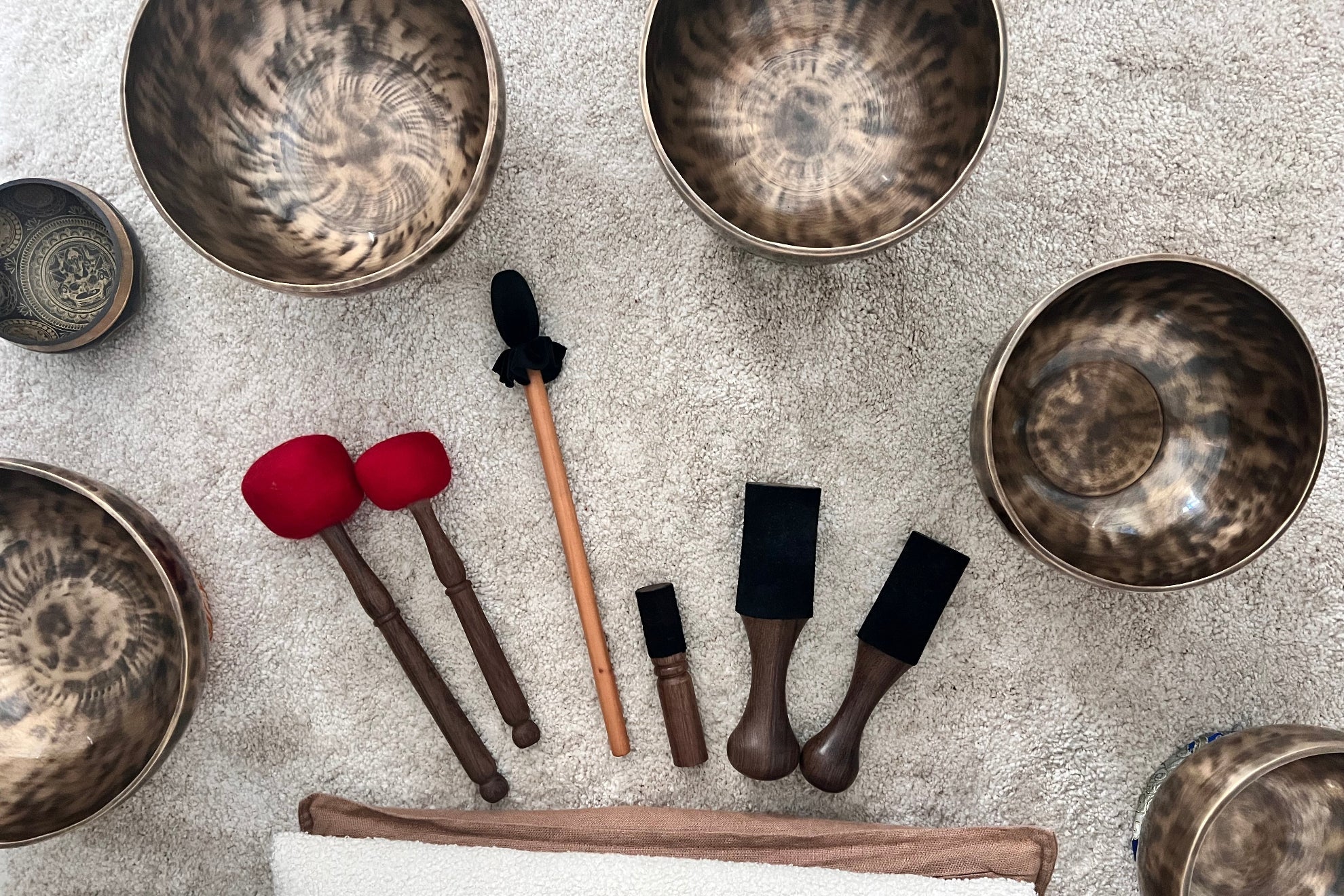
Sound Healing in Yoga: Why Learning to Receive the Tones Changes Everything
The first time I experienced a sound bath, I didn't quite know what to do with myself. I lay there, watching the ceiling, waiting for something to happen and then frustrated with myself for waiting, because weren't I supposed to just... let go?

Navigating Difficult Times With The Right Internal Support
Lately, I have been thinking about the ways we outsource our wellness. We seek advice. We ask for reassurance. We hand our experiences over to others to interpret. And sometimes that is necessary. Reflection and projection are powerful tools; being witnessed in our struggles can soften their edges. Community matters. Guidance matters.
10 Mindful Practices for the Unravelling Soul (On the Go)
When we left our work/life roles, I thought the hardest part would be the logistics. I quickly learned that the true challenge is the unravelling of the "doing" mind. Here are ten practices I’ve gathered from the road that you can do anywhere.
Removing the Habits That Keep You Stuck: Do A Habit Audit: Hard Questions, Small Changes, Big Shifts
We all have habits that serve us, and habits that don’t. The tricky part is: sometimes the ones that don’t serve are the ones we cling to because they feel familiar, safe, known. This post will guide you through an honest audit of your habits, apply research from behavioural psychology (including key ideas from Atomic Habits by James Clear) and offer a list of very practical, gradual changes you can make, changes you control, sustainable and within reach.
Yoga: Unlocking the Inner Technology of Consciousness
We often think of technology as something external, built, coded, controlled. Yet long before the hum of machines and the glow of screens, there existed another kind of technology: one that required no devices, only awareness. Ancient yogis discovered that within each of us lies an intricate network, a system of energy, emotion, and intelligence, capable of profound transformation when we learn how to access it.
Meditations as Portals: Shifting the Mind, Soothing the Body
We spend much of our lives replaying the past, thoughts become familiar, feelings become habitual, and the body begins to live in cycles of memory. What feels like “just the way things are” is often simply a loop of remembered emotions.

Harness Your Energy with Yoga: Devotion, Breath, and Mindful Practice
Energy moves where attention flows. Both ancient yoga and modern science tell us this truth in different languages, yet the essence remains the same: what you focus on expands.

Beyond the Past: Rewriting the Stories We Live By
There comes a time when we begin to notice that the patterns repeating in our lives are not coincidences; they are mirrors. The way we love, react, protect ourselves, and withdraw often stems from stories we didn’t consciously choose. They are scripts written by earlier versions of ourselves, shaped by our experiences, emotions, and beliefs.

Learning to Trust Through Love
We often speak of love as something we either have or don’t, something we fall into or out of. Yet few of us pause long enough to consider its deeper purpose. What if love is not the destination, but the lesson itself?
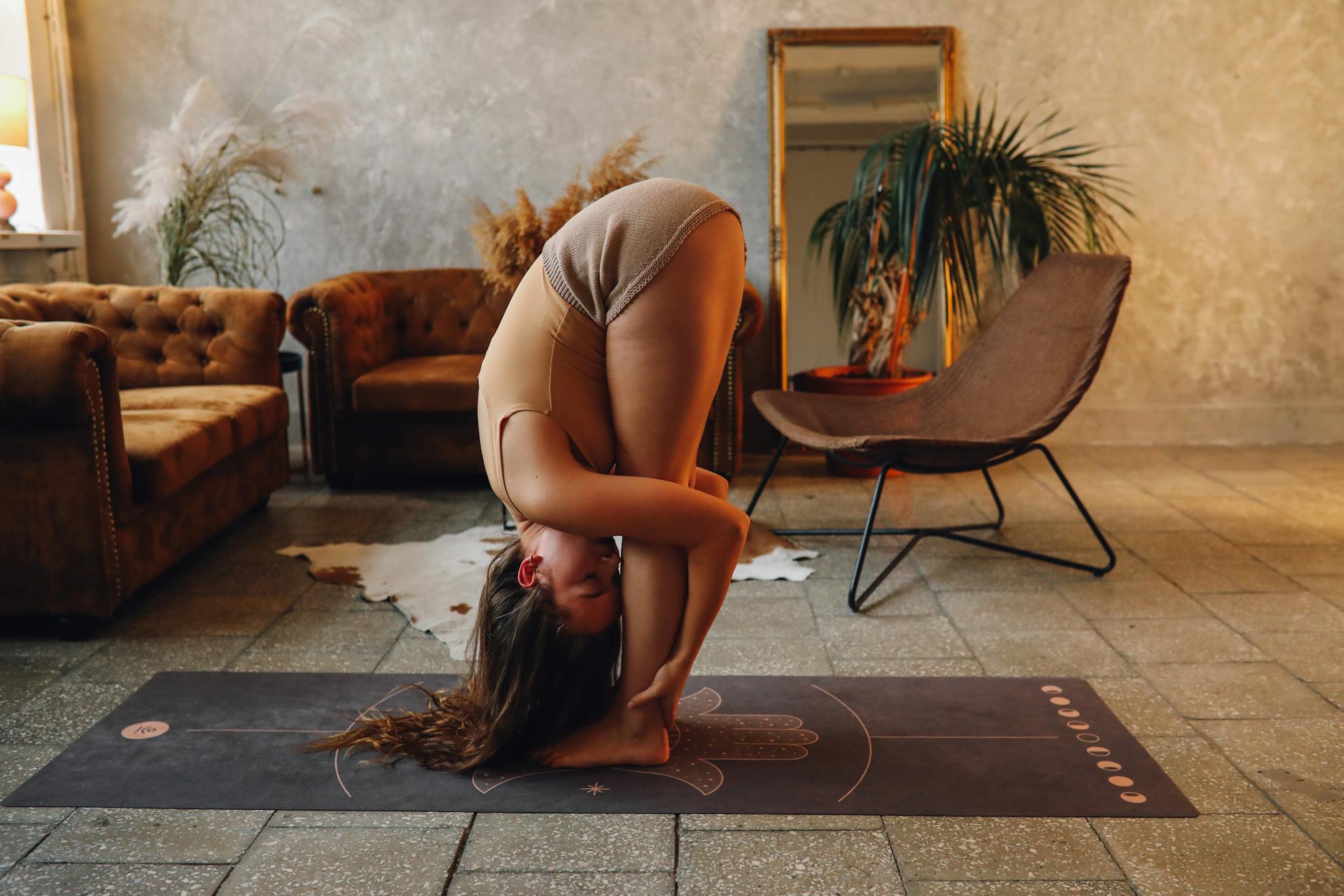
Everyday Moments That Are Yoga (Without You Realising)
Yoga is often thought of as postures on a mat or quiet studio time. Yet the ancient texts describe it far more broadly, as a framework for cultivating steadiness, awareness, and presence in every aspect of life. The Yoga Sūtras tell us:

Saying No Without Guilt: Gentle Practices for Self-Respect and Balance
In times past, people could retreat into caves or forests in search of clarity, stepping away from the noise until answers arrived in silence. Today, life feels far less simple. We are constantly pulled in different directions, with advice, expectations, and ideas about wellness and success coming at us from all sides. Each day presents countless small choices: what to eat, how to spend our time, who we spend it with, and even how we speak up for ourselves. Learning to say no with kindness and without guilt is not just about the big decisions; it’s about honouring these small choices, nurturing self-respect, and creating balance in everyday life.
How You Can Build a Nervous System-Supportive Routine
A personal guide to tuning in, slowing down, and finding your way back to yourself. There’s no one-size-fits-all when it comes to nervous system support. It’s not about following a strict wellness checklist or chasing perfection; it’s about tuning into your own rhythms, your own seasons, and your own signals.
Returning to Ourselves: The Tiny Shifts That Make Us Human, The Unexpected Joy of a Stuck Song
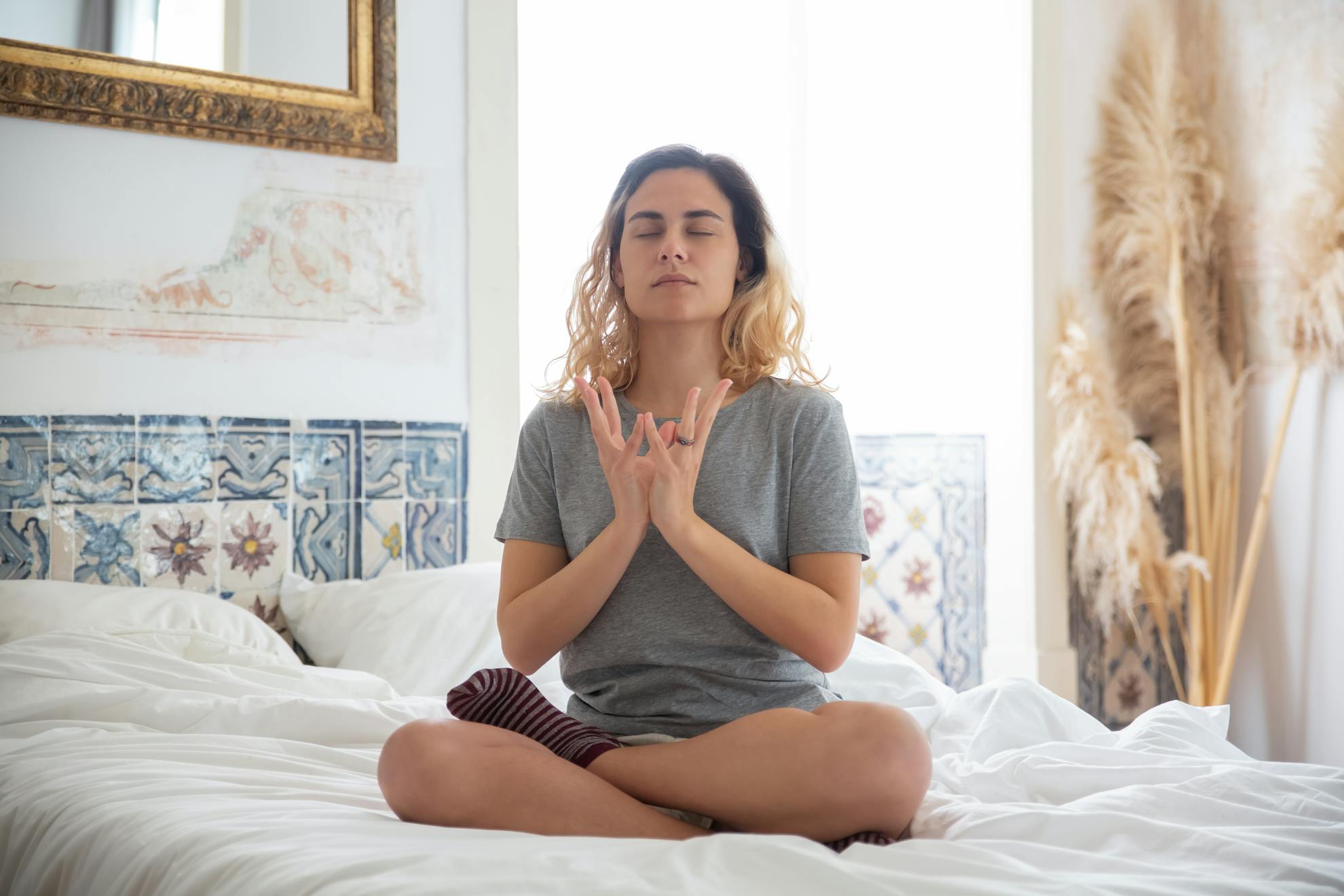
Something remarkable happened to me the other day. It won’t sound impressive to you, but I found it profoundly telling about my current mental capacity compared to where I was a few months ago. I got a song stuck in my head. I know it sounds so basic, but I do not remember the last time something as pedestrian as this happened to me. My mind is used to running about 100 mph with so many pointless things: the self-narration, the criticisms, the to-do list, the judging, the what-ifs, the wondering what was meant by something someone said. It’s all just noise. None of it matters. Not really.
Leaving Again, This Time It’s Different
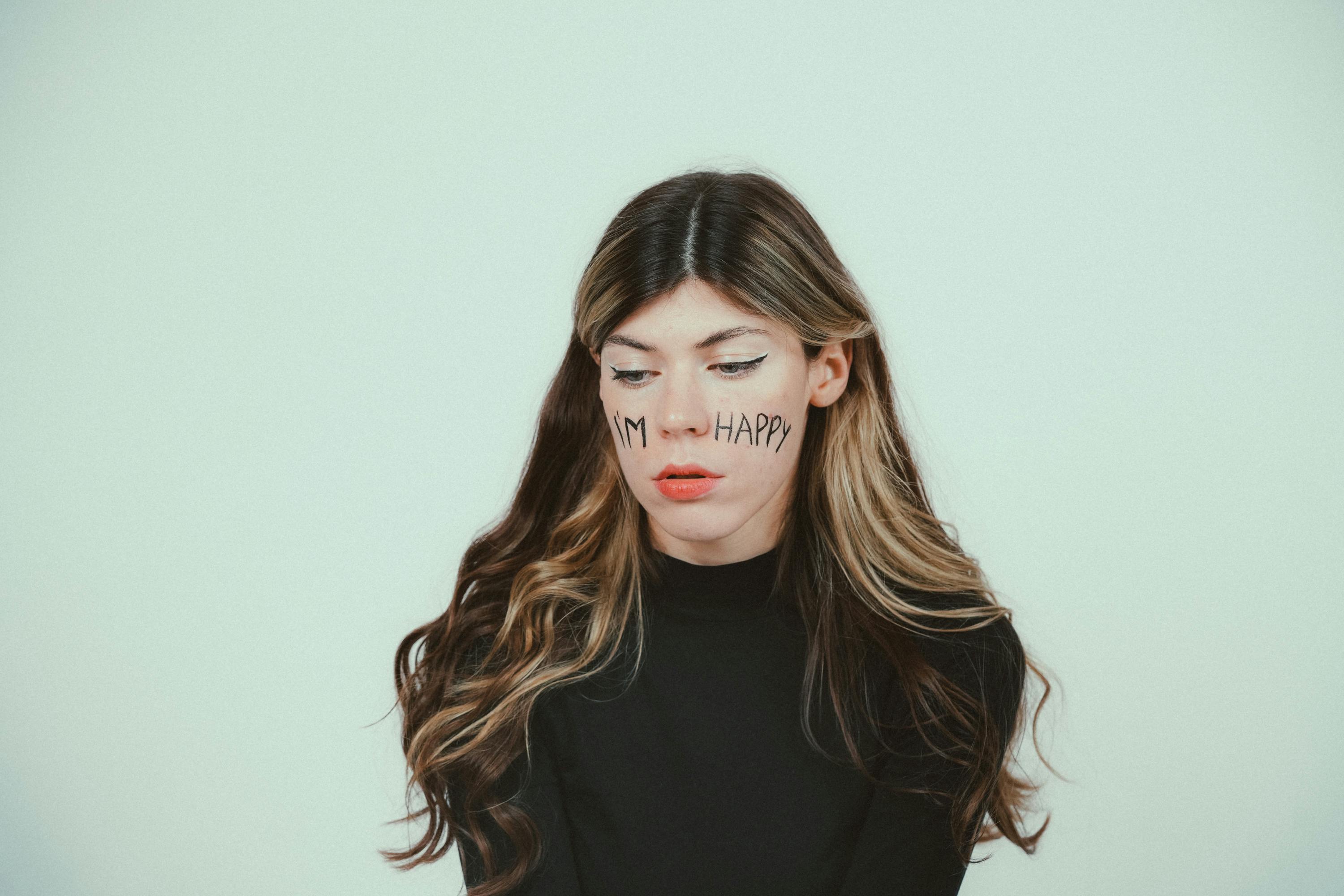
We left Bali today after two wonderful months of getting to know ourselves again. That might sound odd, but when you’ve lived in survival mode for so long, it’s impossible to know who you are beneath the armour, armour that’s protected you from chaos, but also from truth. Truth like: you were ticking boxes, going through motions, cohabiting with someone who was quietly slipping into sadness. And truthfully, the silence about that sadness made it hard to distinguish what was "normal" from what was drowning.

What Do You Truly Value?
This is a gentle invitation to explore worth beyond work and wealth, going deeper into what it means without the cultural lens that you sit behind, the one determined by your place in the world, physically, metaphorically, familiarity, etc.
How To Use Challenges To Welcome Change
As I move through what seemed in the moment to be one of the most challenging yet eye-opening experiences of myself to date, I realise that it is not that this challenge is any better or worse than any that preceded it; it is me who has altered the way that I feel it, witness it and let it control me. I feel awake, even brought alive by this challenge, more so than ever before. I realise that the challenge will soon be irrelevant and that all that has happened was always going to. All that was in my control was my choice of how to let it affect me, how I chose to respond, and how I wanted to be perceived, remembered and heard. There is true power in choice, awareness and understanding.
Exploring Mudras in Meditation
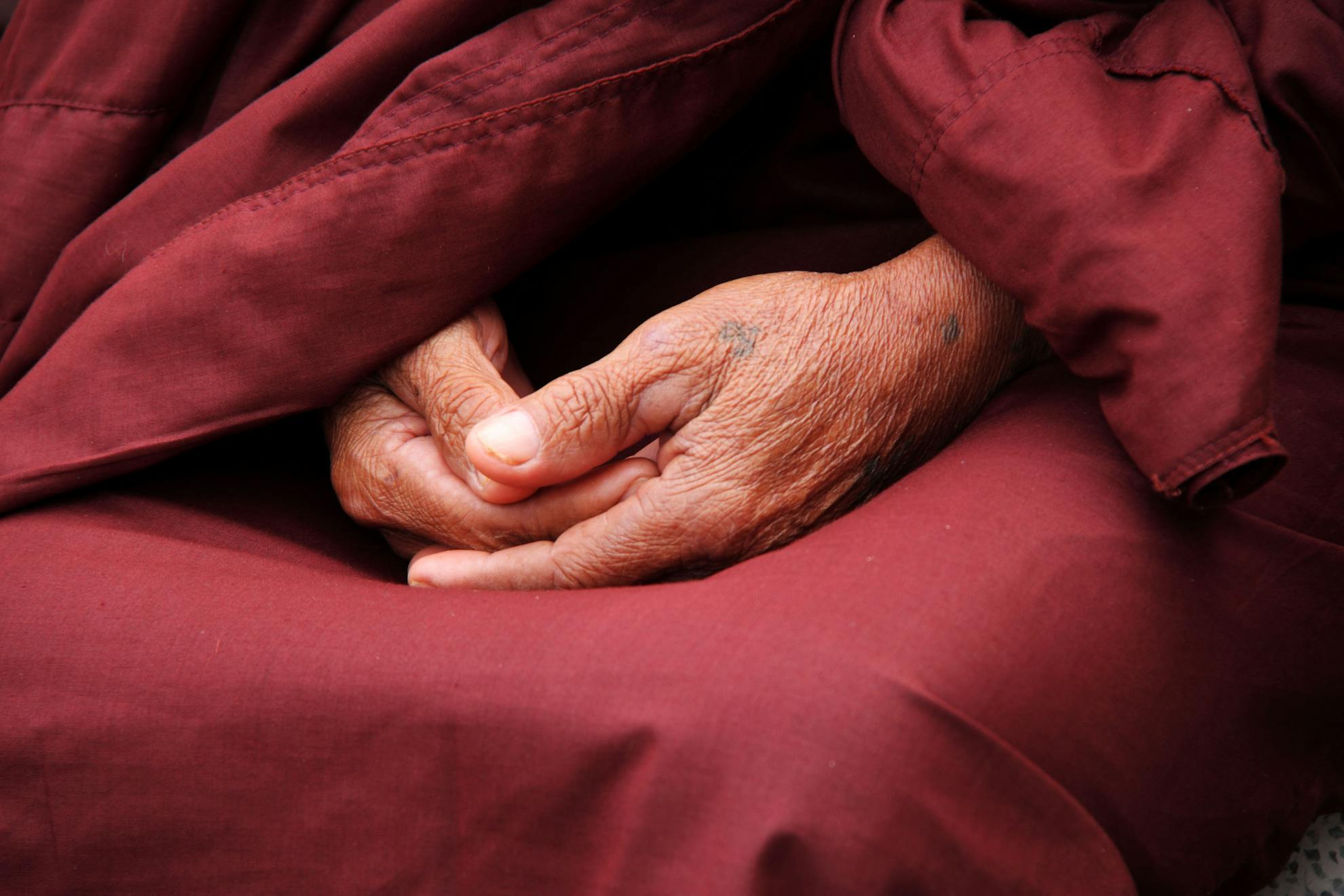
Mudras are how we position our hands when meditating. Each Mudra can seal the energy in the body, and when meditation, we want to seal that energy in as it's positive and restful.
Meditation, The 10 Benefits Found In Less Than A Month
I’ve reached the halfway point in my Meditation & Mindfulness Teacher Training and it’s been profoundly eye-opening. I have been meditating consistently for 24 days, although in a lifetime, it's not even a millisecond, the impact has been vast.
Is It Timing, Trust, or Divine Intervention? Navigating the Unknown
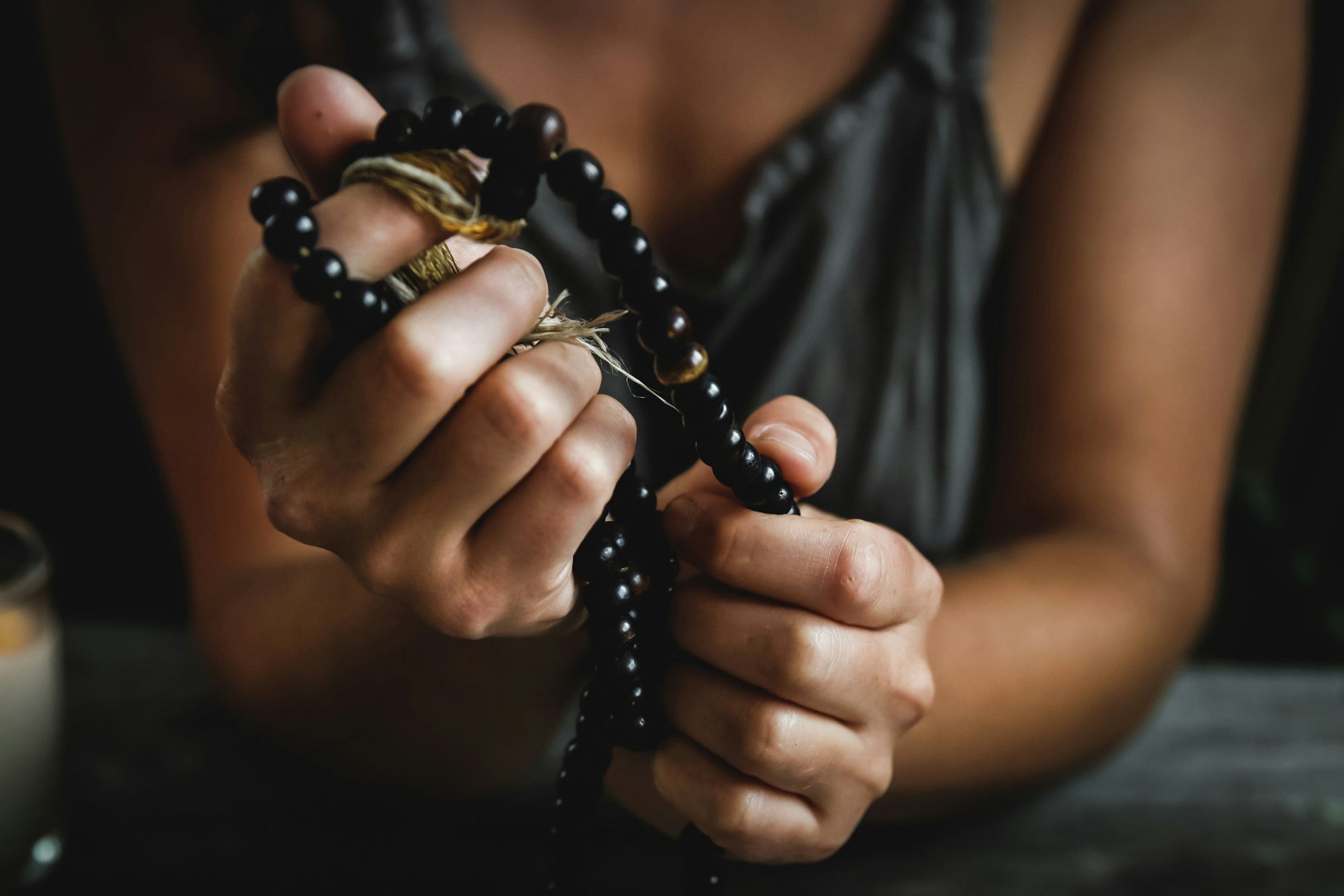
This last month marks the halfway point of my accidental transformation year, 2024 has been a wonderful journey filled with unexpected and incredible opportunities. Look for the signs, lean into the opportunities, and jump in. If you have ever heard these phrases, but dismissed them I urge you to look again.
Why Is Gratitude So Powerful?
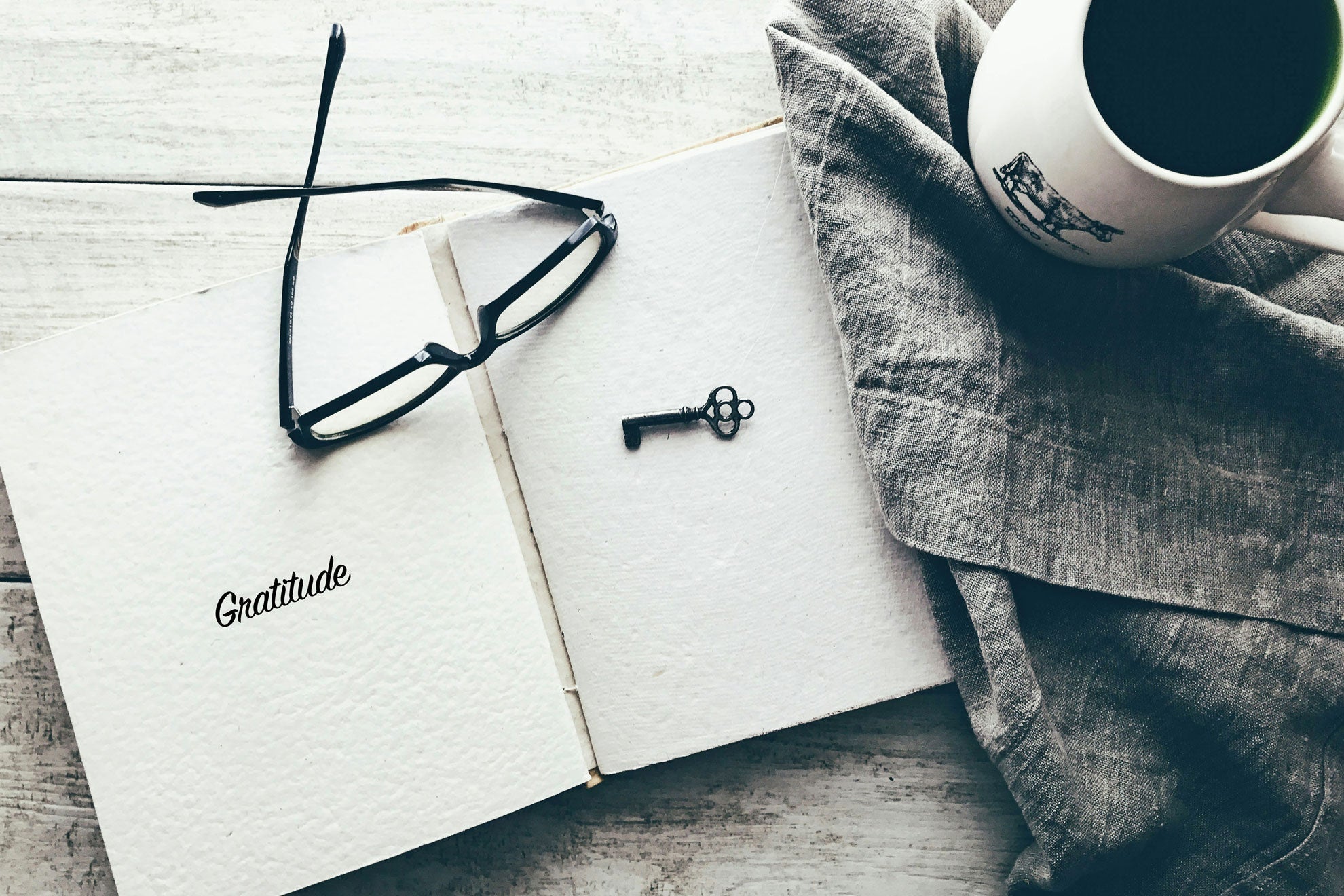
Practising gratitude is said to improve sleep, reduce stress and improve mood. I think it also helps you find presence, for a moment, when you think about all the things you are grateful for you look back of course but you look at it from the present. The moment you are in, the moment that holds you that very second.
10 Meditation Myths
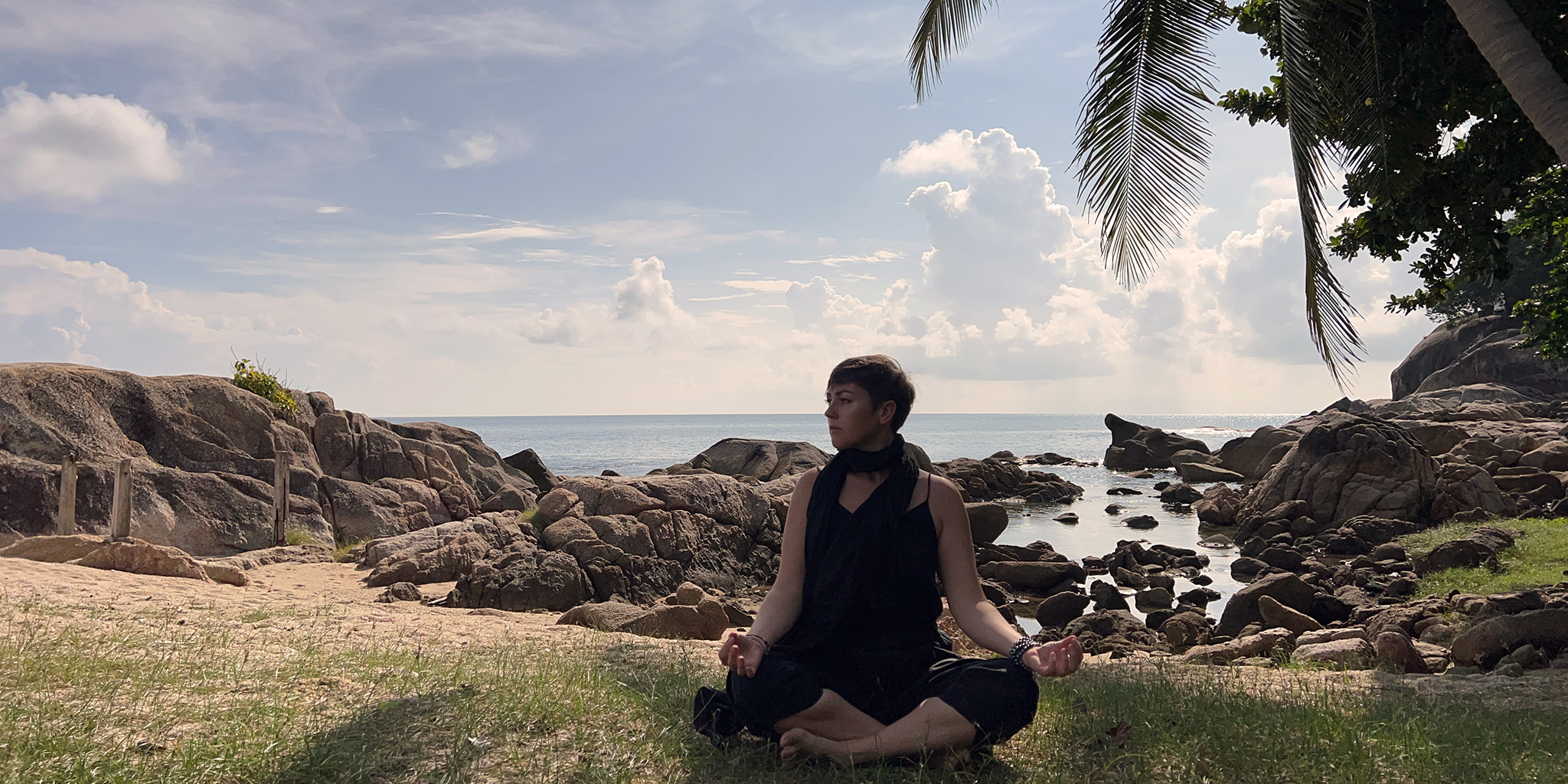
Learning to be still can be hard and like with other self-care practices it can take time. The Meditation we seem to be exposed to is either moments of quiet or long stretches of meditative peace, monk style. As a practising mediator, I believe that there is a special place in between. Beyond the 3-7 min Savasana that we get in the closing of a yoga class and long before we are sitting on a mountain in Tibet for several hours. The body can learn to pause and the mind will follow.

10 Quick & Easy Ways To Feel Grounded
Everyone you meet in this world of ours has some form of anxiety, fear or stress that will show up in their body and most of us do not know what it is. It might be butterflies, headache, dizziness, feeling overwhelmed or some other sense of unease. Whatever it is that your body does to send you a signal, here are a few simple tricks that you can use anywhere, to feel grounded.
3 Reasons Why You Should Have a Spiritual Practice
Daily practice has been a feature for me over the last 5 years. Over that time it has morphed (just like everything in the last 5 years), depending on what I need at the time and my intention for practice. It is my one non-negotiable, I will move heaven and earth to make sure I have time to sit, connect and be.
The Power of Breath, James Nestor's Book Breath
James Nestor’s book called Breath. Within the first few pages I was second guessing everything I thought I had experienced with my yoga, breath-work and using it to improve my running. As with all ideas they’ll develop over time as more focus, education or facts come to light. I couldn’t put this book down.
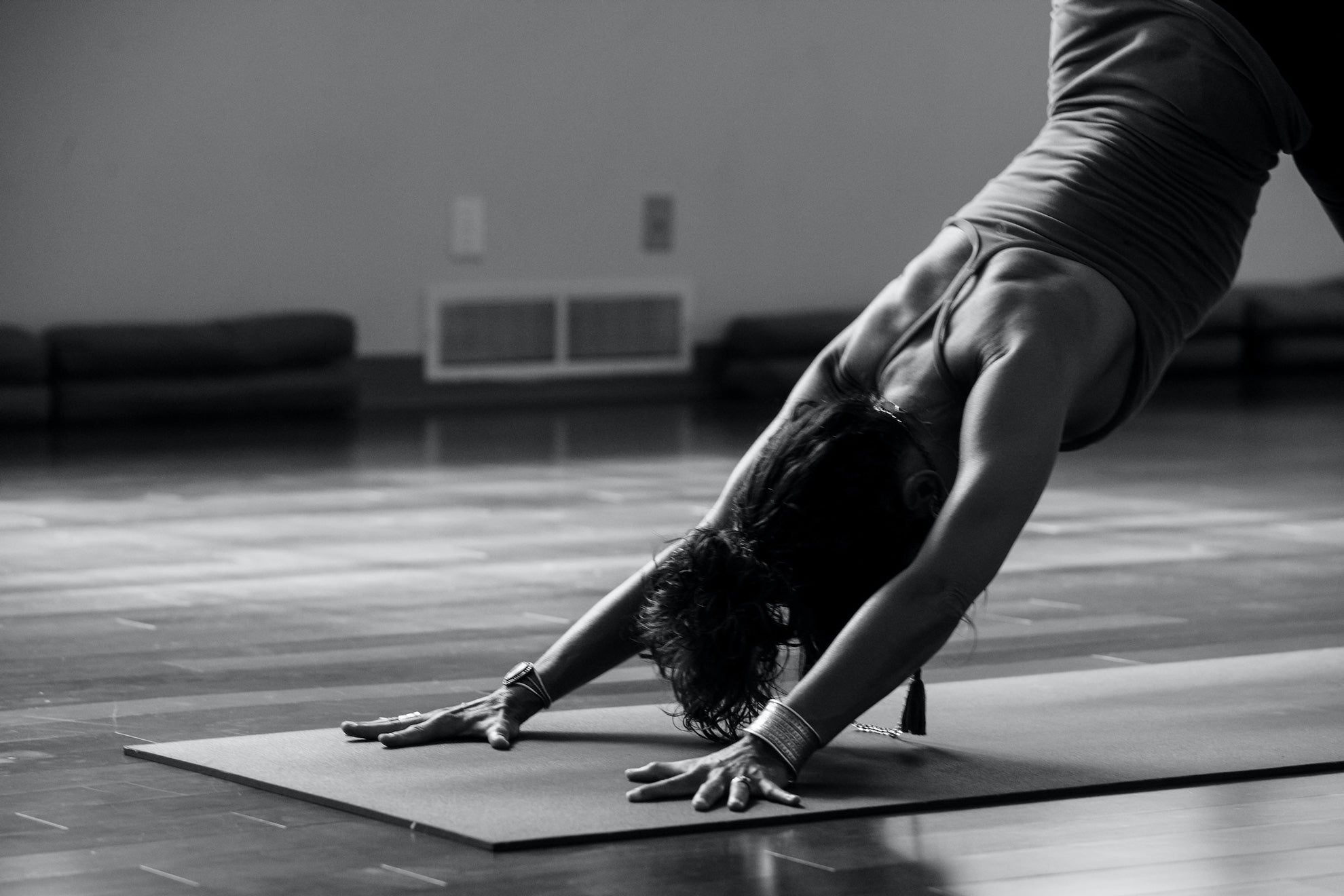
Yoga, The Long & Short Of It
The benefits are out there, if you have ever followed someone who does Yoga on instagram you can see their slimline strong body move through poses with elegance and poise. I’m here to share the process. (just in case like me you don’t look like them.) Why it should be hard and the benefit after the undiscussed strength building on and off the mat. Anything is possible in that body of yours but time and practice are built into yoga and that is the transformative nature of it.

10 Gentle Shifts for a Happier, Healthier Home
A sanctuary is not a place, but a feeling you can cultivate. Our homes are an extension of our nervous systems; what we surround ourselves with, breathe in, listen to, and look at daily plays a direct role in how we feel. When your space is calm, intentional, and aligned with your needs, your mind and body can begin to relax into a deeper state of rest and ease.

How to Find the Right Mentor for Growth and Guidance
We look to those around us to lead, show us the way, to be our guides. But why? How many of us have a true mentor that enables us to reach for the stars and develop to our fullest potential. Just because someone holds a more senior position than you in a business does not necessarily make them the ideal mentor.
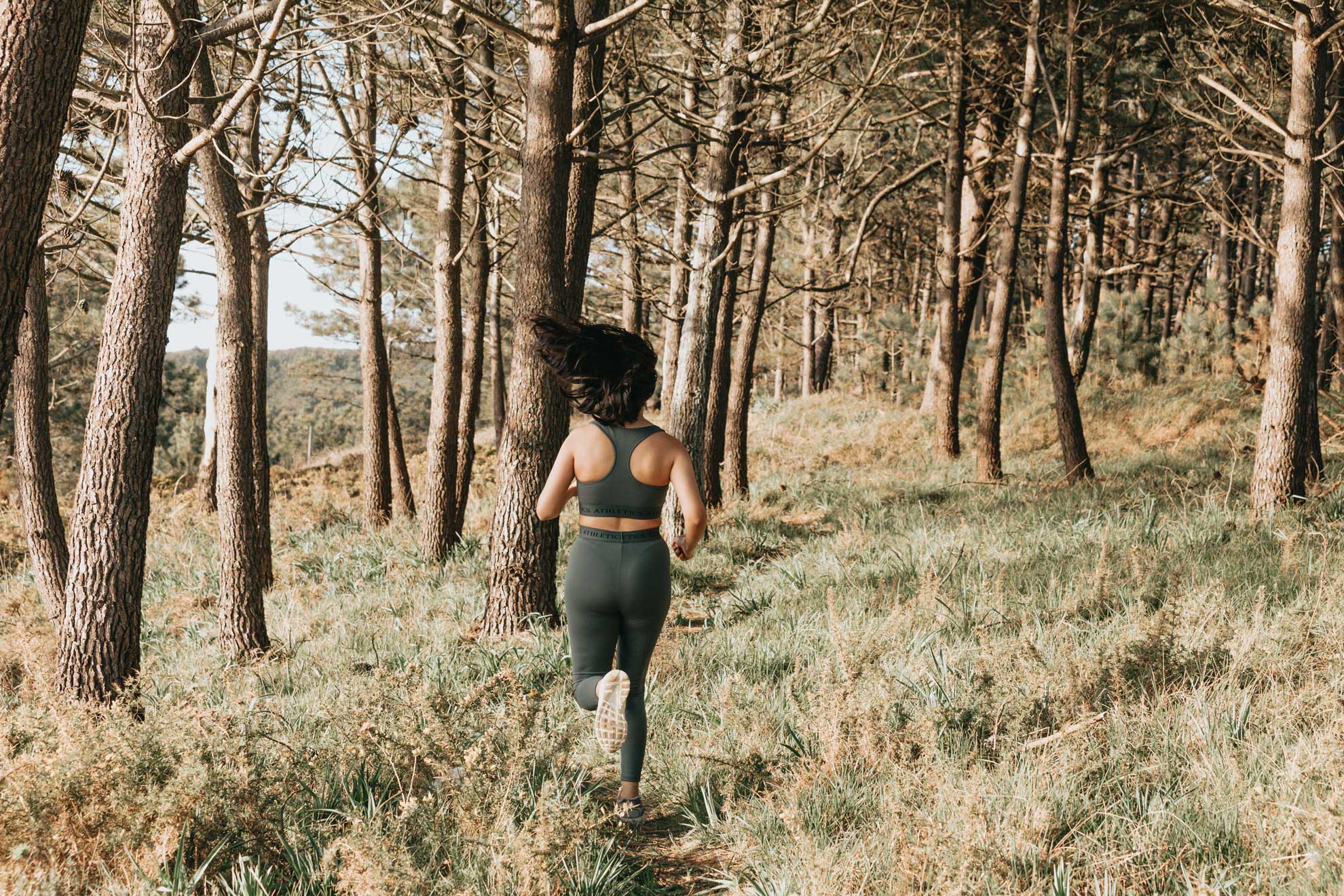
How Breathwork & Yoga Helped me be a Better Runner
The breathwork I learned in Yoga gave me control and understanding of breathing that I had never been taught. I know that sounds silly but our bodies do so much for us automatically, and many of us are never shown how to control our breath, to control our bodies. An understanding of the combination and how they work together was never something I was aware of.

Overcoming The Expectations Of Christmas
For many of us, the idea of being with family over the festive season will fill us with either joy or dread. I wonder why these feeling live in the extremes, all families have their complicated histories, but what is it about Christmas especially that makes it so tough for so many. How do we overcome the expectations of Christmas? Its the only un-negotiated social convention.
The Power Of Saying No, Thank you
Do you need to say no? Or at least consider it as an option more often. I believe what the world has shown us recently, more than anything else is that underneath all the noise and so-called ‘being busy’ we might only need a few key basics. Looking around some of these basics can be seen in the form of comfortable clothing and natural hair colour but other basics like the quality of relationship are a little more difficult to identify, although are ever more important.

You’re Already Helping: Finding Peace in Imperfect Climate Action
Wellness begins with how we treat ourselves — not just on the good days, but especially when the world feels overwhelming. Right now, the news is heavy: a global pandemic, wildfires across continents, and an ever-growing sense of ecological urgency. It’s a lot to carry. And while fear is a valid emotional response, it doesn’t have to be where we stay.