Ancient Wisdom & Lineage
23 articles
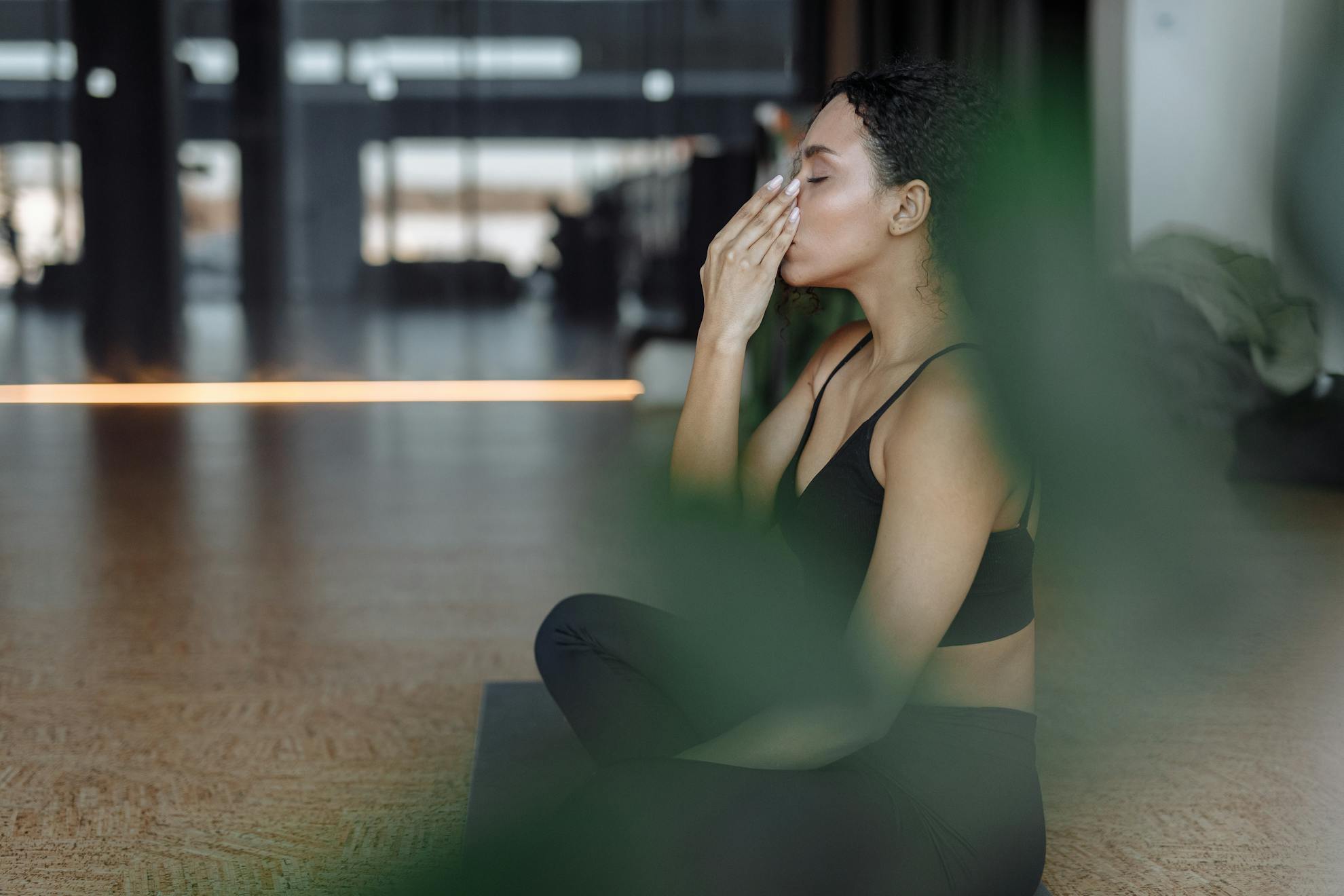
What 80 hours of pranayama training actually changes in your body
I've been fascinated with breath since I read James Nestor's book, but I was hungry for more depth than the weekend breath courses I'd seen on offer. I wanted something that could overlay my yoga teaching and meditation with ease, a training I could live inside rather than visit.
More in Ancient Wisdom & Lineage
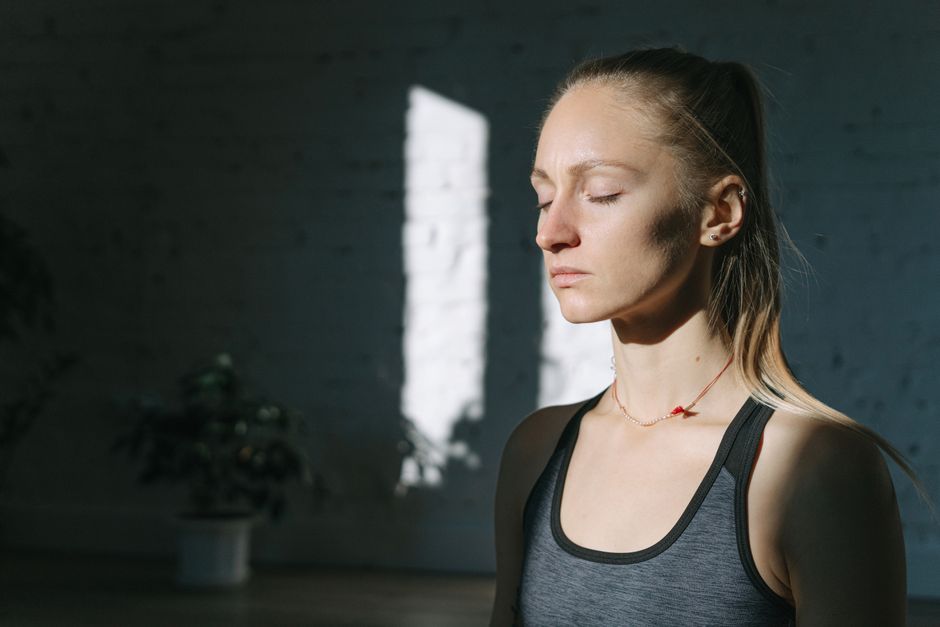
Box Breathing or Samavritti: How to Practice It and Evolve Your Technique Over Time
Discover the ancient art of box breathing, a deceptively simple practice rooted in yogic tradition that can calm your nervous system, sharpen your focus, and transform the way you move through stress. Whether you are a complete beginner or a seasoned practitioner, this guide will show you exactly how to begin and how to grow with it over time.
What chanting mantra actually does, and why I fell in love with it
Five weeks of sitting in a room learning the correct pronunciation and tonality of mantra. The beautiful practice of chanting in a group is something I unexpectedly fell in love with.
Living Untethered: a Michael Singer book review on letting go of control
Michael Singer finds me again. His books seem to appear exactly when I need them, and this one was no different. Both of his previous books held me through times I needed holding, and this one is doing the same.
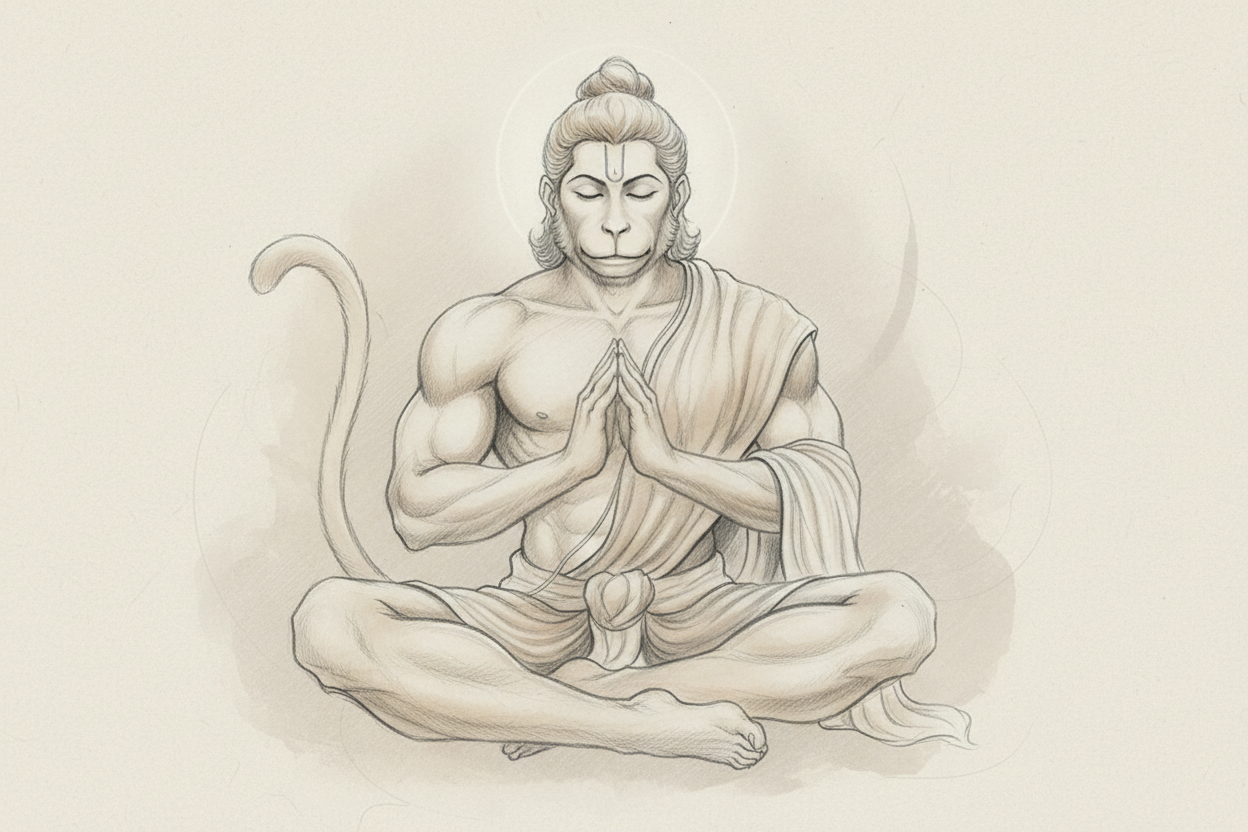
Hindu Deities in Yoga: The Ancient Stories Living Inside Every Pose and Practice
Every yoga class I loved as a student, truly loved, the kind where you roll up your mat a little changed, had one thing in common. A story. Not the anatomical kind ('now we're going to create external rotation in the hip socket'). The ancient kind. The kind where a teacher would begin with: there is a story about...And something in the room would settle. Everyone would shift slightly on their mats. A collective leaning in.
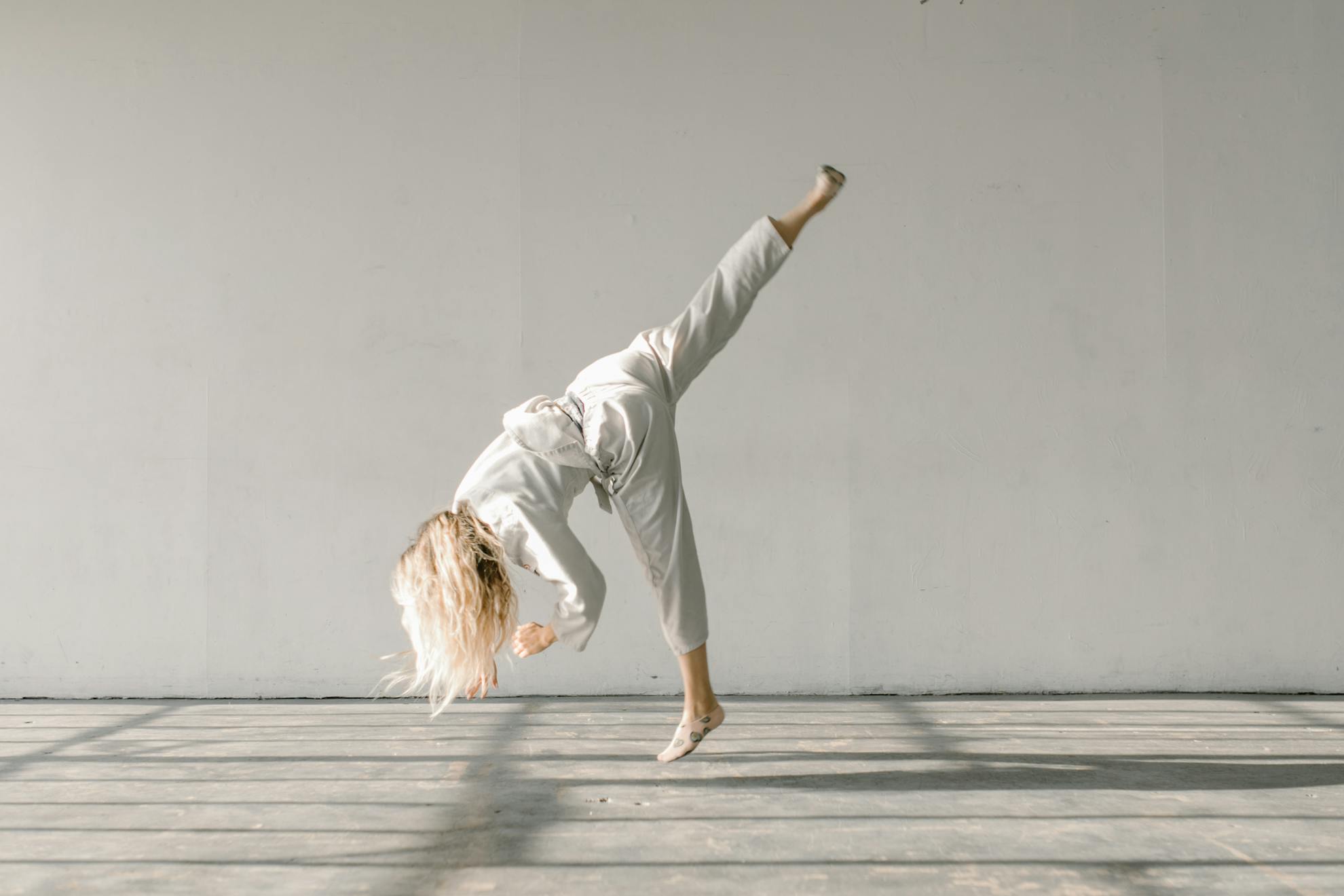
The Architecture of Awareness: Using Yoga as a Framework for Self-Study
Self-awareness is rarely accidental. It is built: slowly, deliberately and through practice. What drew me to yoga was movement. What kept me there was something far less visible: the framework it offered for understanding myself.

Listening Beneath the Mind: Yogic Practices to Heal the Samskāras That Shape Our Lives
We all carry stories that feel so familiar they might as well be our own voice — the subtle doubts, the quiet assumptions, the emotional reactions that rise before we even have a chance to choose differently. In the yogic tradition, these inherited imprints are known as samskāras: subliminal impressions carved into us through repetition, experience and unexamined memory.

The Yogic Path of Remembering: Seeing Beyond Samskaras and Old Narratives
There are moments in life when you realise that what you are reacting to is not the situation in front of you, but the echo of something much older.A familiar sting.A tightening in the chest.A story your body remembers even if your mind has forgotten its origin.
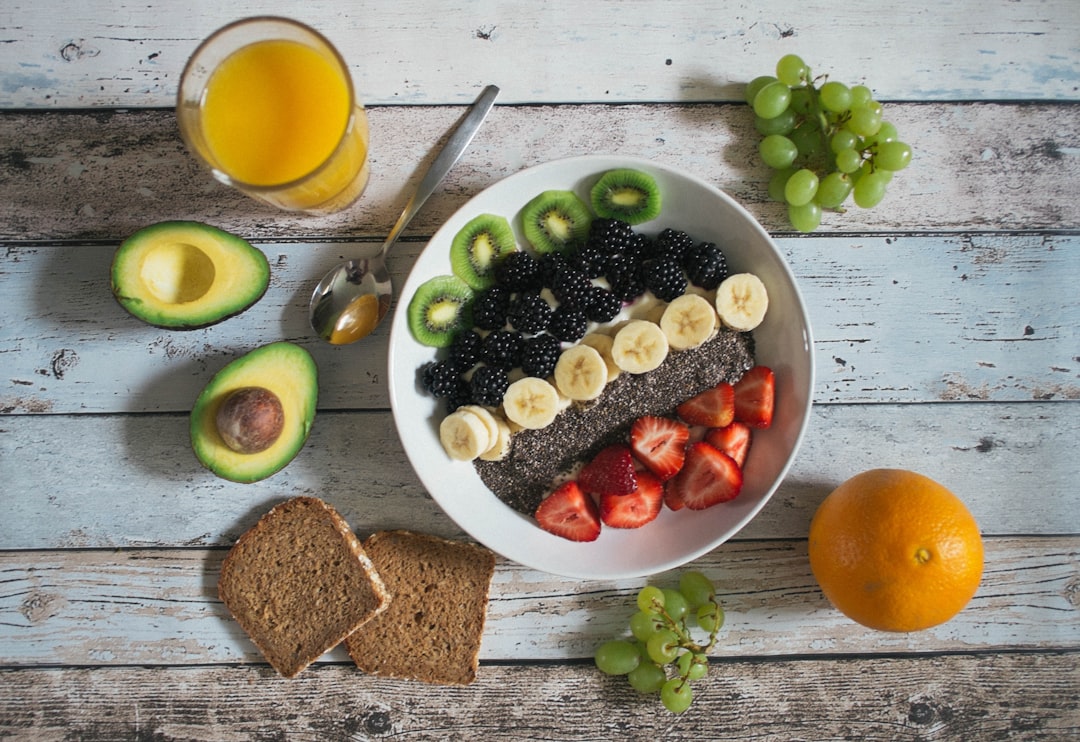
Eating for Longevity: How Modern Science Confirms Ancient Wisdom
Beyond fad diets and marketing trends, both science and ancient Ayurvedic wisdom tell us the same truth: real, whole food can heal. Studies now show that balanced, minimally processed diets improve longevity, brain health, and emotional stability. Ayurveda has been teaching this for millennia: food is medicine, and the way we eat is a mirror of how we live.
When People Show Up: Embracing Divine Timing and Connection
In the tapestry of our lives, certain individuals appear at pivotal moments, their presence seemingly orchestrated by forces beyond our comprehension. These encounters often feel serendipitous, yet within the framework of yogic philosophy, they are seen as manifestations of divine timing, guiding us toward growth and self-realisation.
Yoga as a Framework for Wholeness
Yoga has always been more than movement. Long before it became a practice of postures, it was described in the ancient texts as a complete framework for living with steadiness and clarity. The Yoga Sūtras of Patañjali remind us: “Yoga is the stilling of the fluctuations of the mind.” (Yoga Sūtras I.2)

On Retreat with Your Yoga Teacher: A Journey Back to Yourself
I have been practising yoga for about eight years and teaching for the past eighteen months. When I finally felt it was my time to guide others along the yogic journey, I also knew that my own practice was far from finished. My curiosity and hunger for growth led me to immerse myself in three Moksha Yoga Teacher Trainings. After completing my 200-hour training in Bali in January 2024, I continued with a 110-hour Meditation Teacher training, and then dove into Yin and Sound Medicine simultaneously.

20 Moments from The Untethered Soul by Michael A. Singer
A journey inward to awareness, stillness and freedom. Some books arrive like whispers. Others arrive as gifts. For me, The Untethered Soul was both.
Wellness Beyond the Surface: Living the 8 Limbs of Yoga in Daily Life
In the modern wellness world, the surface often appears to be a glow: luminous skin, green smoothies, gym schedules, lymphatic drainage, and cold plunges. And while all of these can support well-being, they don’t touch the deeper layers of what it means to be well.
Yoga as Remembering
When I look at the modern world of yoga, I see familiar patterns: the yoga studio, the teacher, the aspirational "yoga body." Much of the messaging circles around self-improvement. But the deeper message, the one that stayed with me through all my trainings, is that yoga isn’t about becoming someone new. It’s about remembering who you've always been.
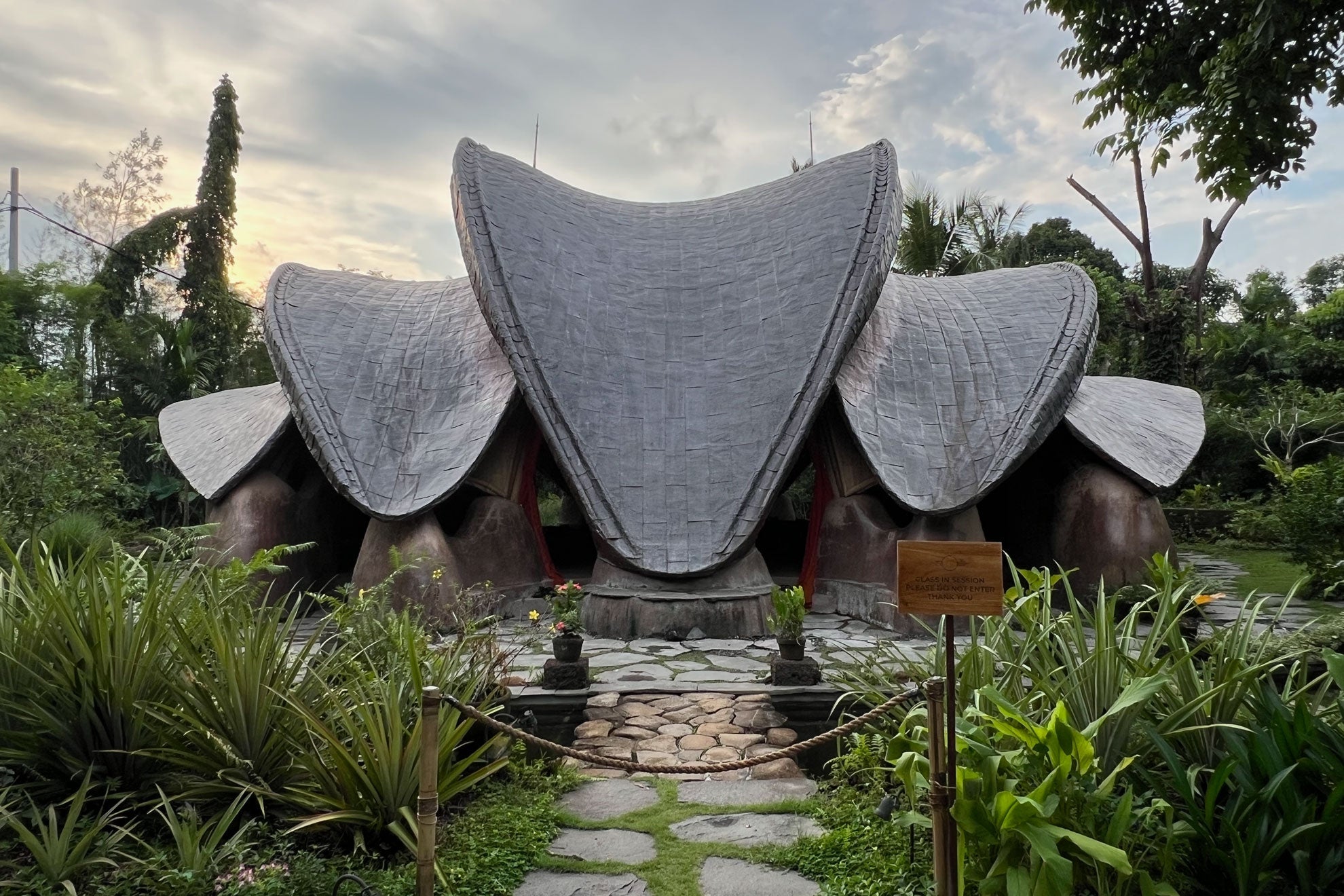
Finding Home on the Mat: My 6 Week Journey at Alchemy Yoga Ubud
A Return to Self, Through Movement and Community. It’s been six wonderful weeks of daily practice at Alchemy Yoga & Meditation Centre in Ubud. Six weeks of breath, sweat, stillness, and subtle transformation. We chose this space instinctively, drawn back by the magic of the Alchemy café, which we first fell in love with eight years ago. The yoga studio felt like a natural extension of that same energy: nourishing, grounded, and open-hearted.
Yoga Transformation: The Student, The Teacher And The Integration Of The Teachings
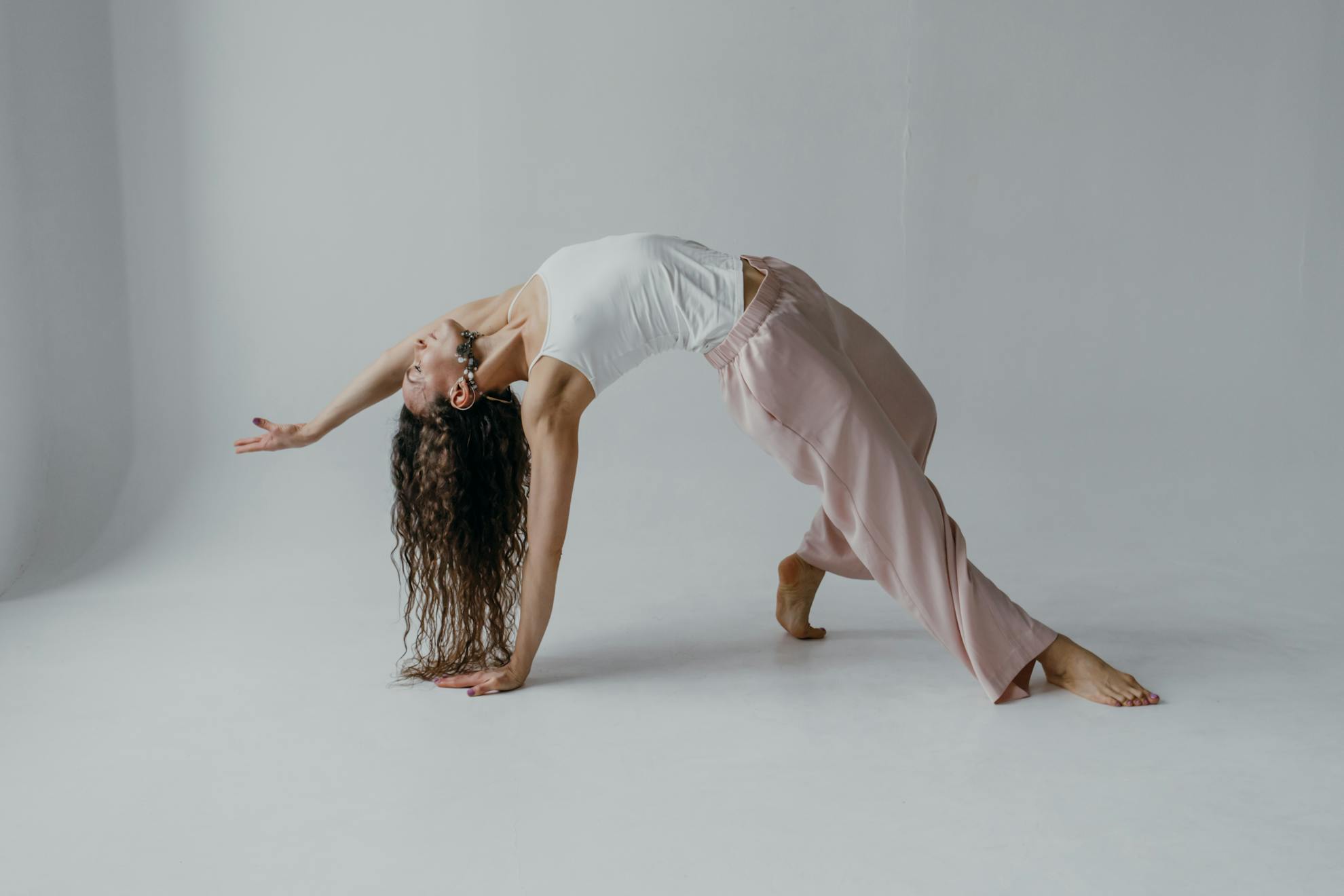
The road to transformation is rarely linear. It twists and turns, revealing lessons we didn’t anticipate and demanding patience we didn’t know we needed. For those of you who have followed my journey, you know that my world shifted dramatically in 2022. That year cracked me open, forcing me to look at life from a new perspective—one that led me deeper into the practice of yoga.
Why Yoga? We asked a Yoga Teacher what makes Yoga so special.
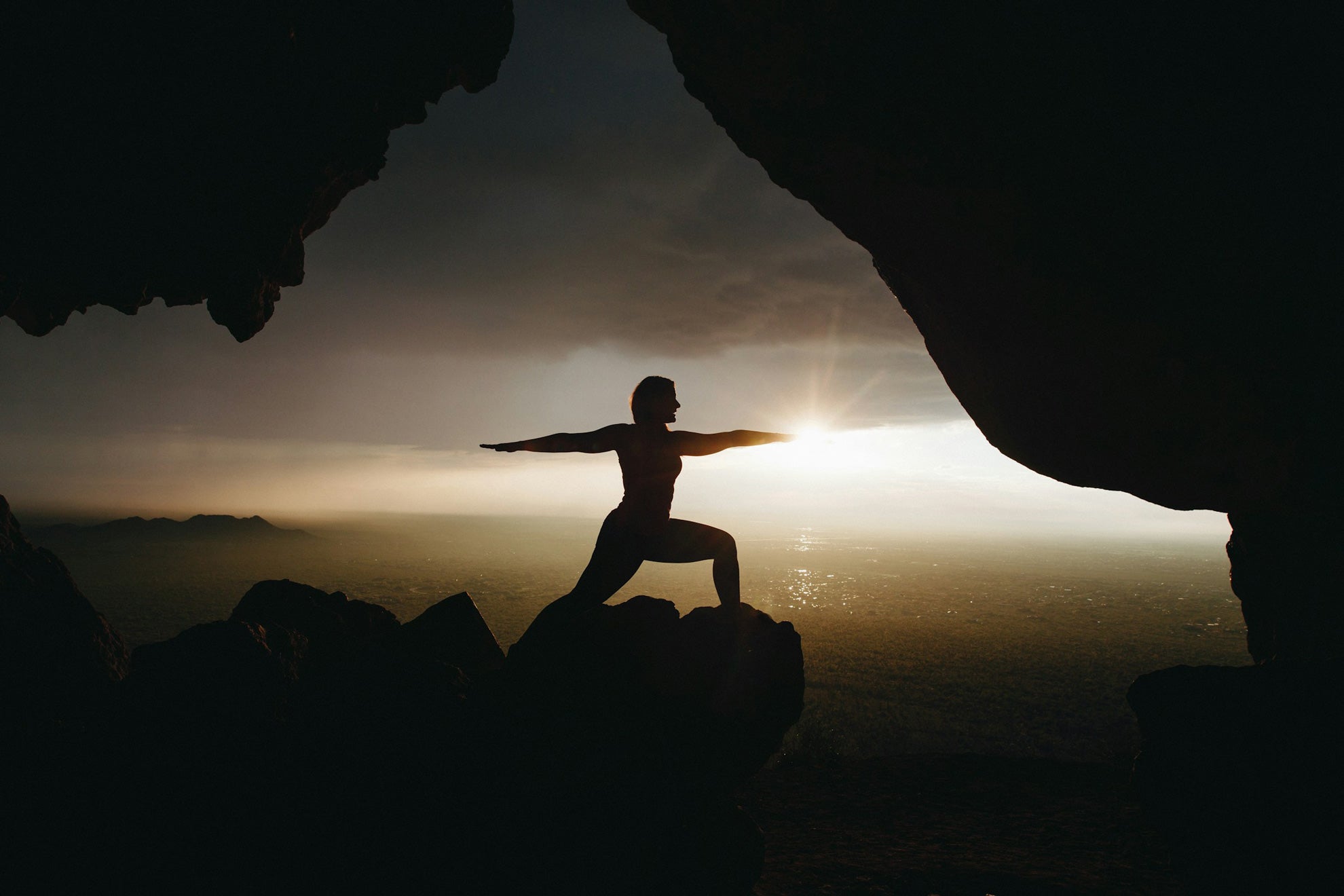
As a regular writer for Words and Contemplations, I decided to share the common questions I have been getting asked as a new Yoga teacher. These questions relate to my Yoga teaching so far. I have been teaching for less than a year, and I am curious about every stage of the journey. Right now, I am finding it profoundly eye-opening and humbling.

9 Books For Psychological & Spiritual Growth
It’s all about finding the right book at the right time. I have said it before, but it is taking on a life of its own; every time I get to the end of a book, I am a little more open, a little further along my path and a little deeper into my journey. These recommended books combine philosophy, ancient wisdom, spirituality, meditation, health and well-being. It’s an incredible reading list and I wanted to share it with you.
20 Moments From 'I May Be Wrong' by Bjorn Natthiko Lindeblad
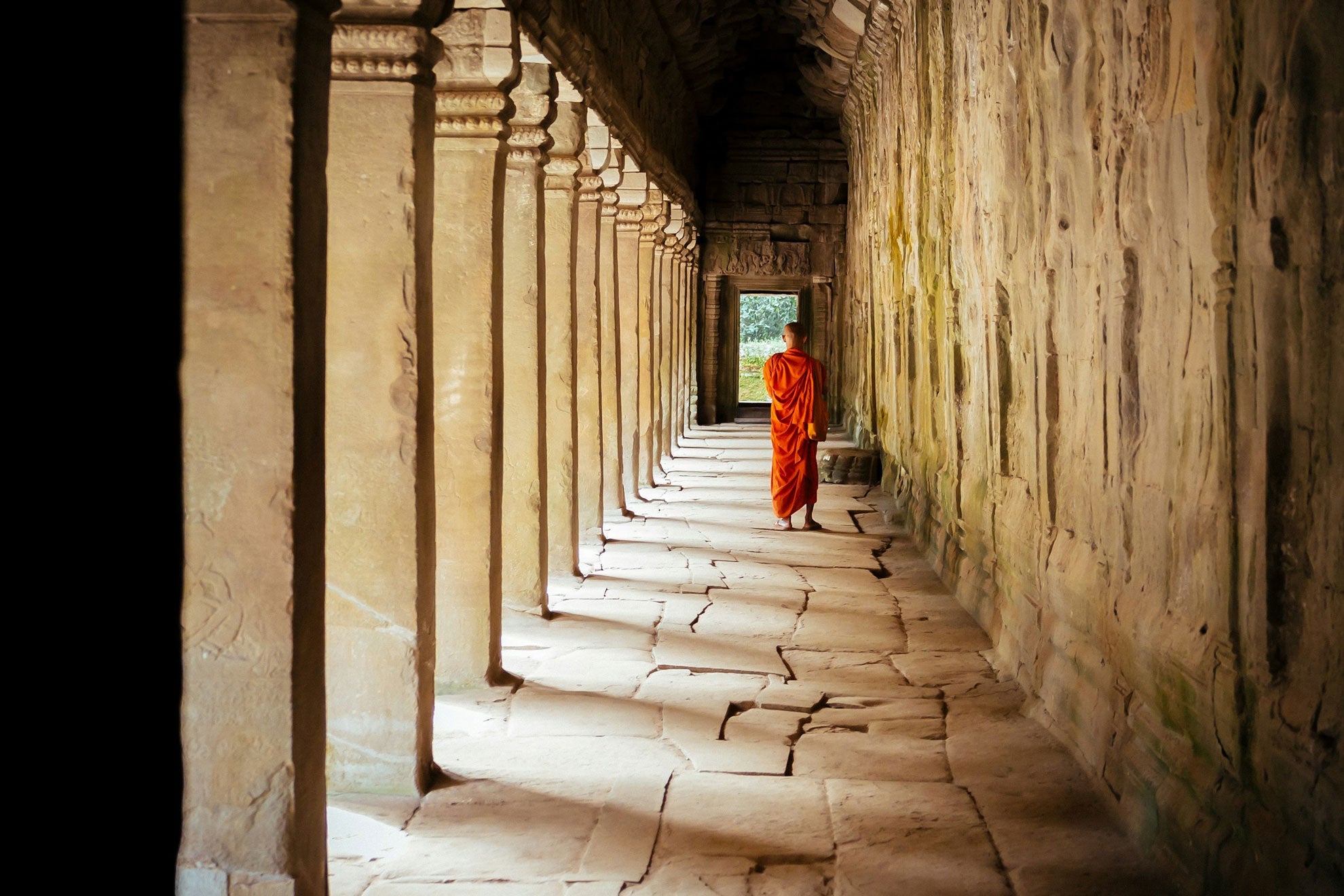
This book was one of the recommended readings before my Meditation & Mindfulness teacher training which starts late June 24. Not often does a book transport you to a quiet place of contemplation, while showing you how to cry and smile from the heart as the words touch your soul and your understanding of stillness emerges. An easy-to-read deep dive into the powers of the mind, the clutter of the thoughts and the truth that none of your thoughts matter. We are not our thoughts and we can choose to live more lightly.
Yoga, Why Is It So Powerful?
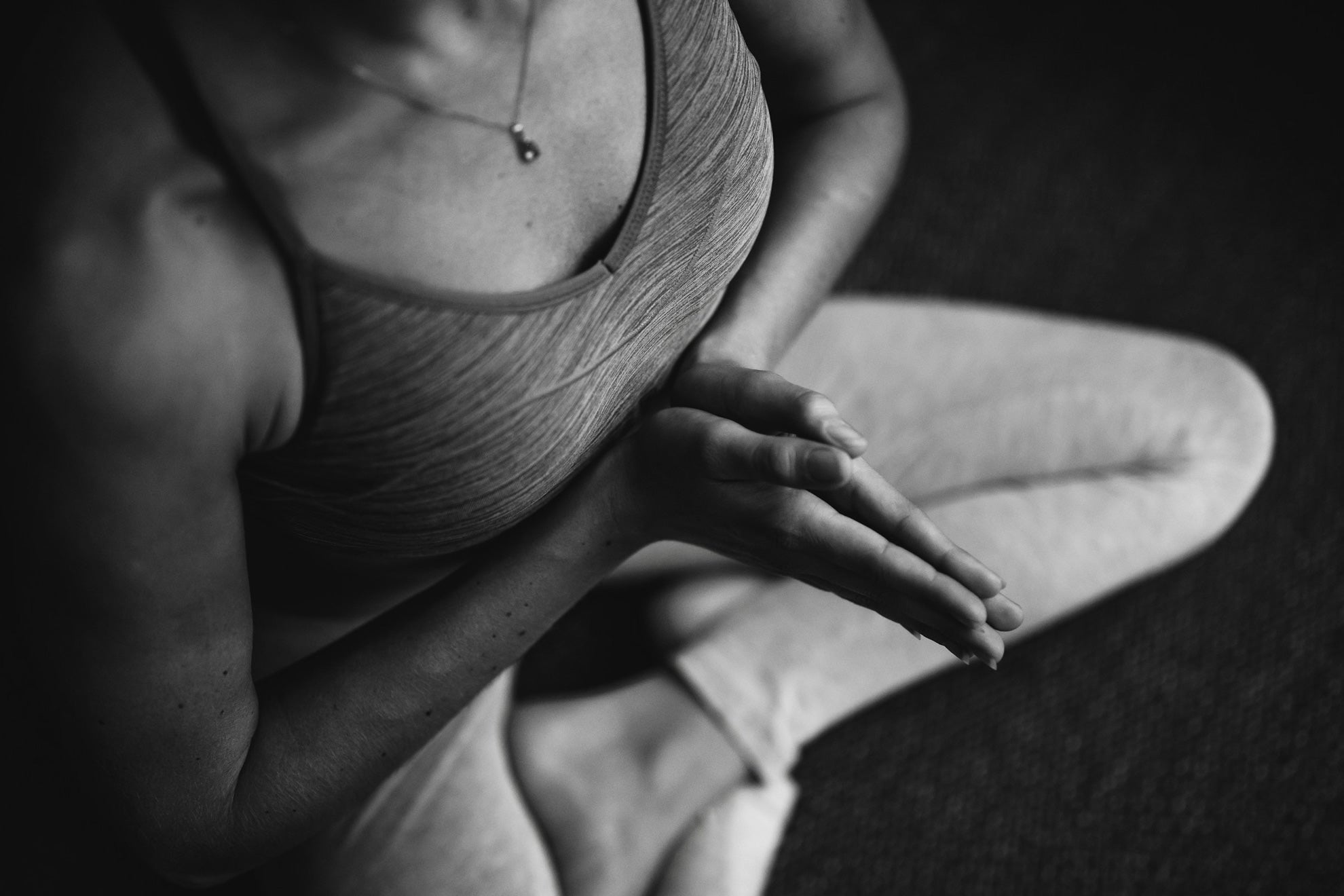
The practice and dedication found in Yoga is a devotion that gives the yogi a purpose, a deep sense of self that is controlled, strong, understanding, patient and humble. Yoga is powerful as it shows each individual their body’s abilities, it gives them a space to self-demonstrate the power within. It sounds too good to be true and I, a person who wanted to get fit and be free of neck pain had no idea of this powerful layer until I was about 3 years in. I’m sorry to report it isn't instant, but you wouldn’t appreciate it if it was, trust me.
Yoga. Respect The Journey, Love The Practice
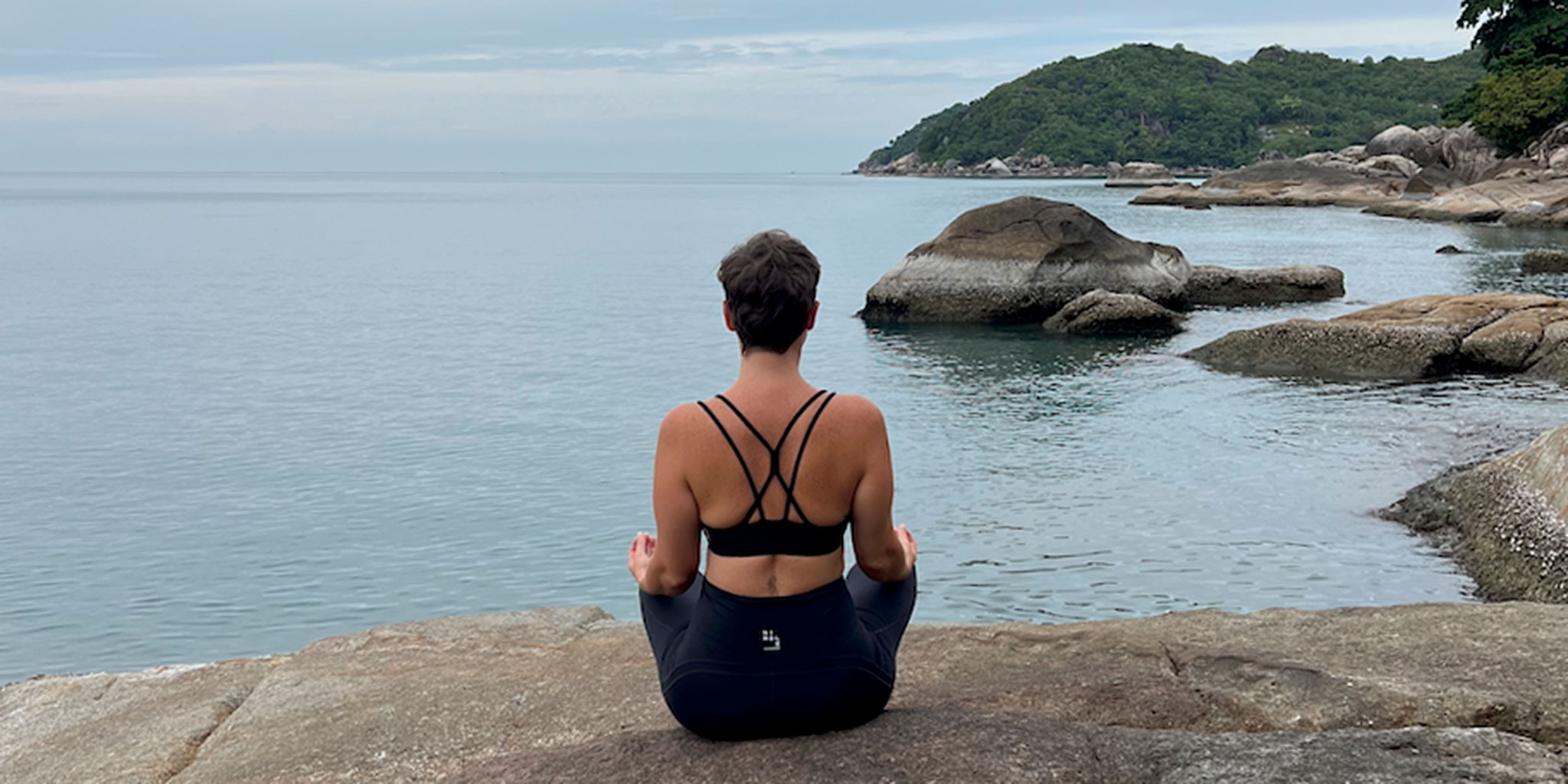
There are studies all over the world that explore and celebrate the benefits of yoga and although I know this to be true, I was always a little sceptical, I tended to explain away my weight loss as a combination of diet and running as well as yoga. However, I have to admit to not only being hooked but being a full 100% believer. Yoga has moved emotional blockers in the body that allowed my body to find a healthier state. Weight loss is a bonus, all the other benefits far outweigh a smaller waist and a stronger plank. The personal benefits I have felt in myself as well as others are astounding.
Ubud, Yoga Teacher Training and a lot of Ugly Crying
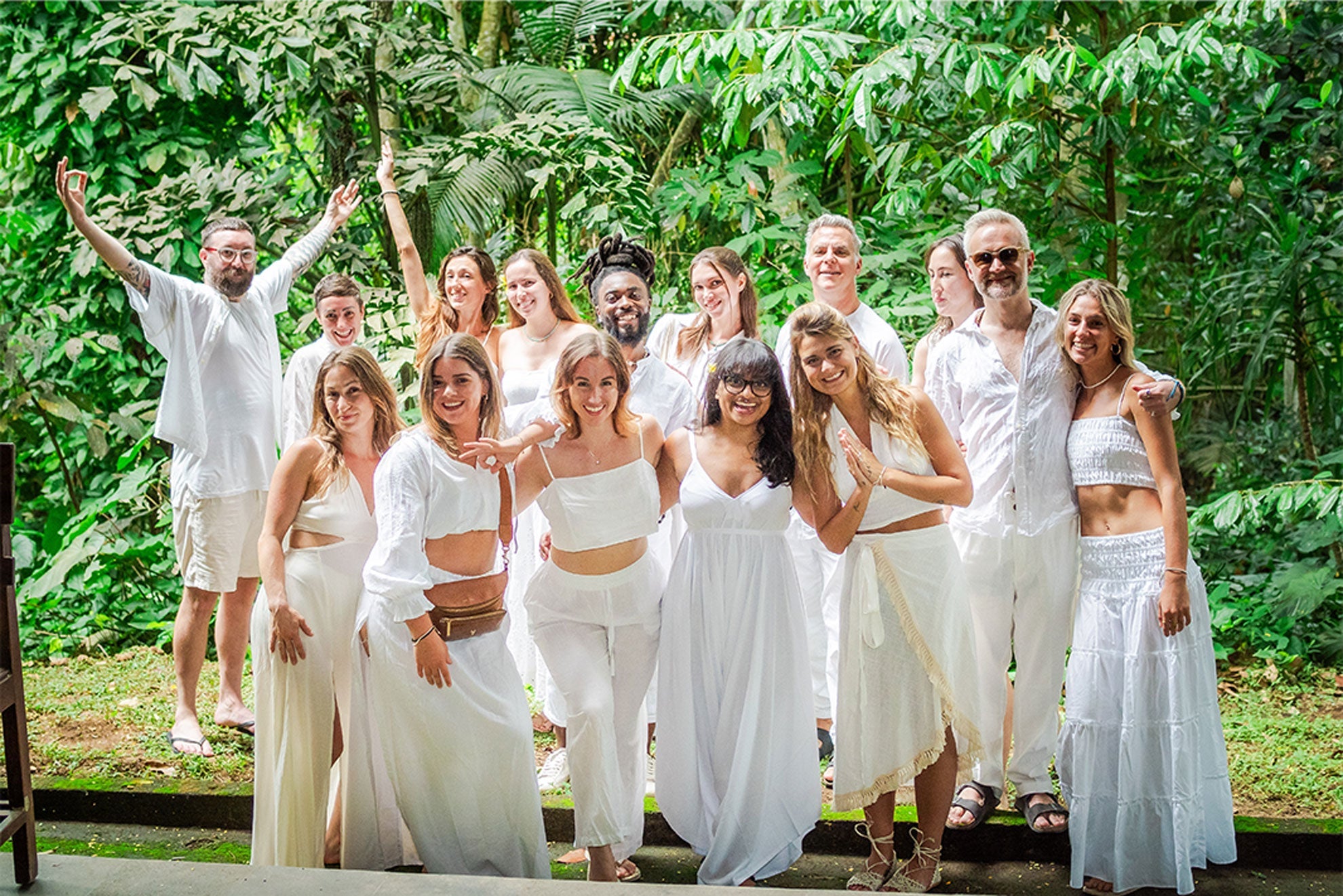
Only a 6-hour flight from Melbourne, I took the plunge and decided to undertake my Yoga Teacher Training. Now, what they don’t tell you is that it is more than learning poses and moving through transitions from one position to another, it's an eye and heart-opening experience, and if you ever do a YTT know that you will find yourself ugly crying on your mat.