There is a line in the original piece I wrote about sobriety, five years ago now, where I said I had rediscovered a sense of authenticity. I didn't quite know what I meant by that when I wrote it. I was six months in, still finding the edges of the thing, still learning which parts of it were about alcohol and which parts were about something bigger.
I know more now.
What I was trying to describe wasn't just the absence of a substance. It was the return of something that had been quietly muffled for years. A sensitivity. A receptiveness. The capacity to let the world actually land.
What numbing does to the senses
Alcohol is a depressant in the physiological sense, which is not the same as making you sad. It depresses the sensitivity of the nervous system. It turns down the volume on everything: the anxiety, the social discomfort, the sharpness of difficult emotions. But it also, and this is the part that took me longer to notice, turns down the volume on everything else too.
The beautiful things. The subtle things. The things that don't announce themselves but reward attention.
I didn't realise how much I had been missing until the muffling lifted.
The first clear indication was smell. It came back in a way I hadn't expected, sharper, more differentiated, more present. I noticed it first in food, the way flavours had more dimension, more nuance. And then in places. The particular smell of rain hitting a dusty, damp city after days of humid heat, that specific release of earth and warmth and relief that fills the air before the downpour even fully arrives. It had always been there. I had been there with it, at least physically, many times before. But there was a quality of receiving it differently now. As though a layer of glass had been removed.
What becomes available
The things I began to notice, really notice, in the years after I stopped drinking are the kinds of things that sound slightly precious when you list them. But I'm going to list them anyway, because I think they deserve to be said plainly rather than suggested.
The abundance of butterflies that gather around temple ruins in Thailand, dozens of them, unhurried, moving between ancient stone and overgrown flowers as though the sacred and the ordinary are the same thing, which perhaps they are.
The specific feeling of being adopted by a street dog rather than threatened by one. That moment when a dog that belongs to no one decides, for reasons entirely its own, that you are trustworthy. The way it falls into step beside you. The quality of that small, uncomplicated trust.
The pleasure of a hot shower on a cold morning that you've been anticipating for days. Not as a baseline comfort but as something genuinely wonderful, something your body receives with the kind of gratitude it reserves for things that are not taken for granted.
The stillness that moves through your mind and body when you watch the ocean. Not the dramatic ocean, not the storm. The steady rhythmic motion of waves that have been doing this for longer than anyone has been here to watch them. The way the body synchronises with it without being asked.
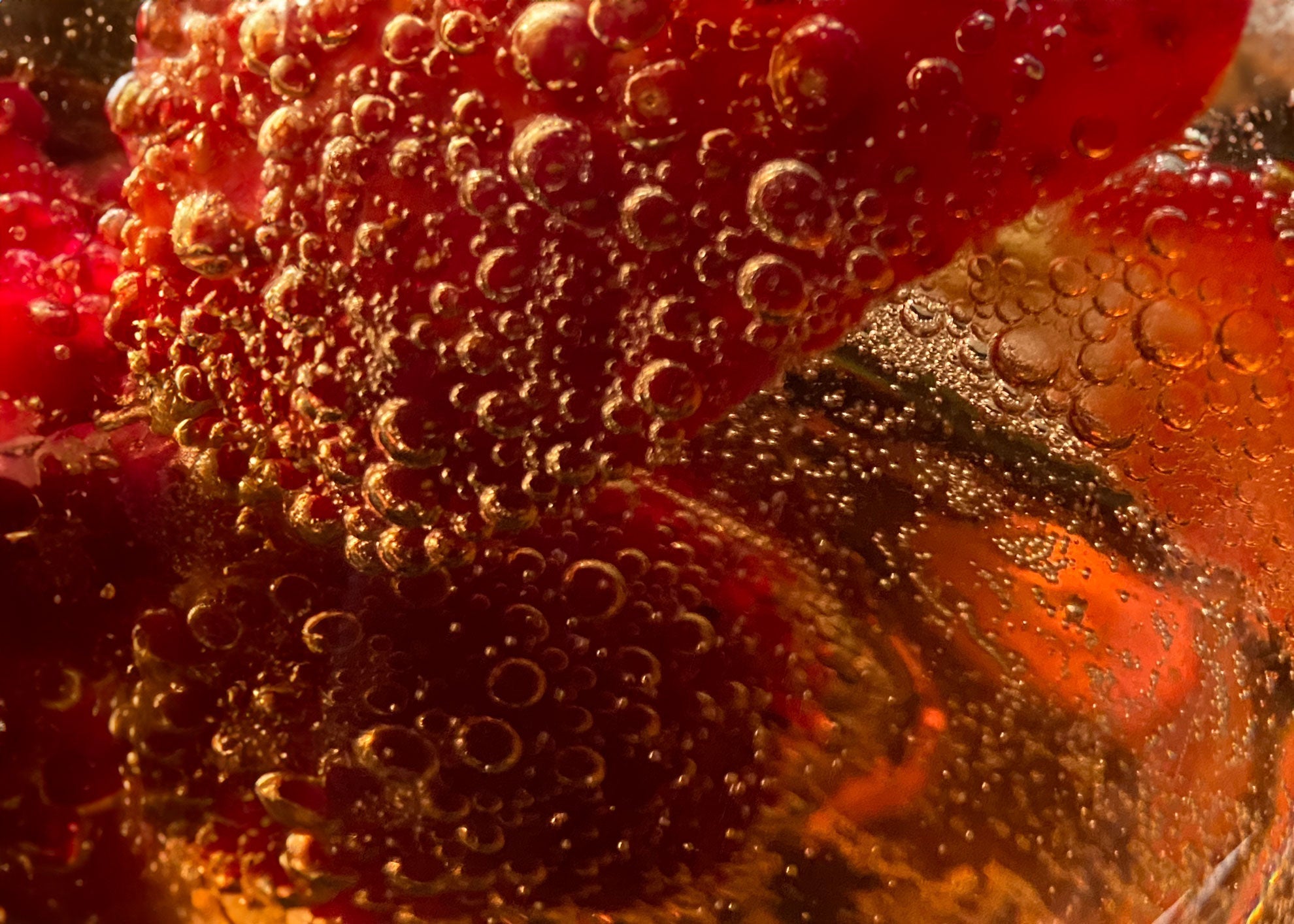
The multiple shades of red and orange at a sunset that you didn't plan to watch but happened to be in the right place for. The way the colours surprise you even when you know sunsets happen every day, because this one is this one and it will not happen exactly this way again.
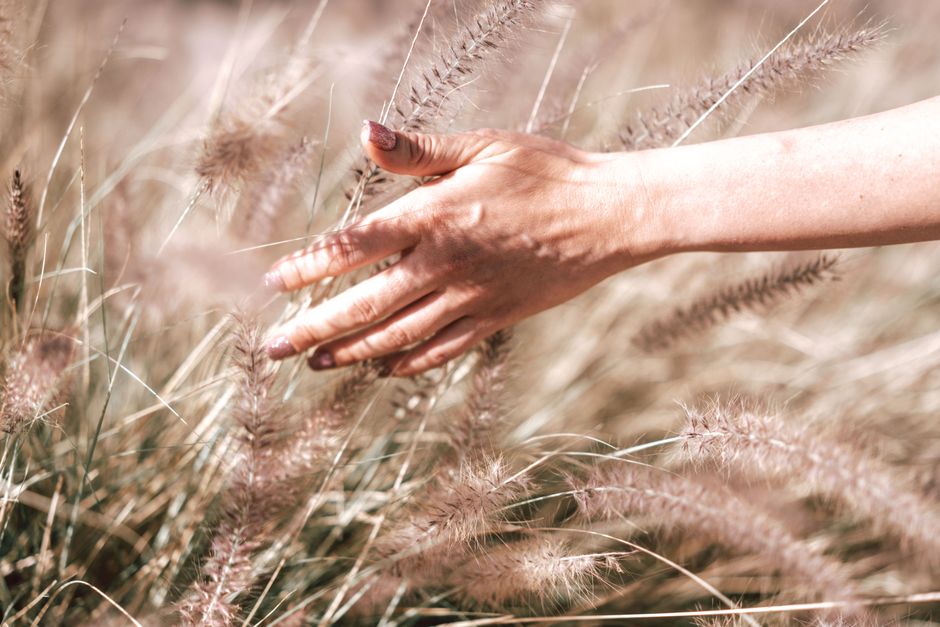
The warmth in the hand of someone who genuinely loves you. Not a gesture, not a performance of affection. The actual physical warmth of a hand that knows yours.
The calm that moves through you when you breathe with someone as they hold you. The way two nervous systems can find the same rhythm and rest there together, without words, without doing anything at all.
The texture of the smile on a local's face when you eat something they have made and you let it show that you loved it. Not the polite nod, the real response, the one where your face tells the truth before you've decided what to say. The way that smile travels, the way it opens something in both of you, two people recognising each other across every difference of language and culture and circumstance.
These are not extraordinary things. They are the ordinary texture of a world that is, in almost every moment, offering something worth receiving. But you have to be quiet enough for it. And for a long time, I wasn't.
What sobriety and presence share
I've come to understand that for me, sobriety and presence are the same practice wearing different clothes.
The thing that alcohol was doing, the softening of the edges, the social lubrication, the management of discomfort, wasn't just happening at dinner parties and client events. It was happening in my relationship with my own experience, all the time. I had learned to reach for something to take the edge off before I had fully felt what the edge was made of.
And the digital equivalent is worth naming here, because it's the other form of numbing that most of us are navigating: the phone, the scroll, the constant low-level redirection of attention away from wherever we actually are toward something easier or more stimulating or less uncomfortable.
The reach for the phone in the quiet moment and the reach for the glass in the difficult one are not identical. But they are in the same family. They are both ways of managing experience rather than having it.
What sobriety gave me, slowly and sometimes uncomfortably, was the capacity to just have it. To be in the smell of rain on a warm city street without immediately deciding what it meant. To sit with the discomfort of a difficult evening without softening it into something more manageable. To receive the world, the beautiful parts and the hard parts, at full volume.
What you find underneath
I think this is the part that surprised me most, and the part I couldn't have predicted when I was six months in and writing cautiously about a pause that might or might not become permanent.
What you find underneath the numbing, when you stop reaching for the thing that takes the edge off, is not a harder or more difficult version of your life. It's a more textured one. More specific. More yours.
The difficult emotions are still difficult. But they are also more legible. You can feel where they live in the body, what they are actually made of, what they are trying to tell you. [Anxiety in the body →] [Shame lives in the body →]
And the beautiful moments are more beautiful. Not in a dramatic sense. Just more present. More received. More actually happening to you rather than in the general vicinity of where you happen to be standing.
Five years in, I haven't reached once. Because what I have now wins against any numbing, every time. There is no version of a softened edge that is better than the warmth of that hand, the smell of that rain, the smile that travels between two strangers over a bowl of food, the dog that chose you, the sunset you didn't plan for, the breathing together in the quiet.
Eyes open. Heart open. Soul open and expanding with every lived experience.
That is what I found underneath. I am not going back.