nervous system
17 articles

Why You Can't Switch Off at Night: What Your Nervous System Is Trying to Tell You
If your mind races the moment you lie down, it is not a flaw in you — it is your nervous system doing exactly what it was built to do, and understanding why changes everything. This article unpacks the biology behind those restless nights and offers a far more compassionate, practical way to work with your body instead of against it.
More tagged “nervous system”

The Breathing Book By Donna Farhi: Paying Attention To The Simplest Thing Changes Everything
What if the most transformative practice you could ever discover was something you were already doing, just not fully? Donna Farhi's The Breathing Book invites you to slow down, return to yourself, and rediscover the quiet miracle that has been with you all along.

The Body Keeps the Score: What Bessel Van Der Kolk Taught Me About My Nervous System
I came to this book sideways, the way you come to most things that end up mattering. Not because I thought I had trauma in the clinical sense of the word. Because someone I trusted said: read this, it will explain some things. They were right. It explained a great many things.

What Is Pranayama? The Ancient Science of Breath and Why It Matters Now
Long before modern science had the tools to measure it, ancient yogic practitioners had already mapped the profound relationship between breath and human wellbeing and what they discovered is more relevant to our stressed, distracted lives than ever. Dive into the world of pranayama and find out why this 5,000-year-old science of breath might be exactly what you've been missing.

The Fawn Response: The Survival Pattern That Looks Like Kindness
For a long time, I thought I was just a considerate person. I noticed what people needed before they asked. I adjusted my energy to match the room. I smoothed things over, kept things light, and made sure no one left a conversation feeling worse than when they entered it. I apologised quickly and often. I was told I was easy to be around.

The Science Of A Nervous System Supportive Routine: What Your Body Actually Needs
I want to start with something that might be a relief to hear: a nervous system-supportive routine doesn't need to be elaborate. It doesn't require an hour in the morning before the world asks anything of you. It doesn't require a cold plunge, a meditation cushion, a supplement protocol, or the kind of disciplined sequencing that looks good written down and feels exhausting in practice.
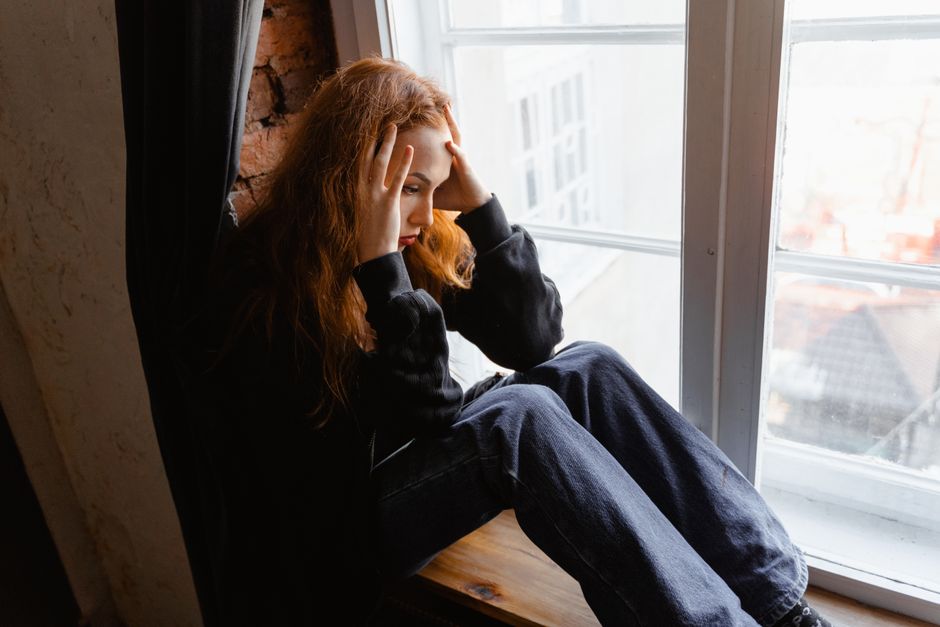
What Anxiety Actually Is, and Why Telling Yourself to Calm Down Doesn't Work
The instruction to calm down is one of the least useful things you can offer an anxious person. Including yourself. I say this not to be contrary, but because understanding why it doesn't work gets you much closer to what does. And what it comes down to is this: anxiety is not a thought. It's a bodily state. And you cannot think your way out of a body state.
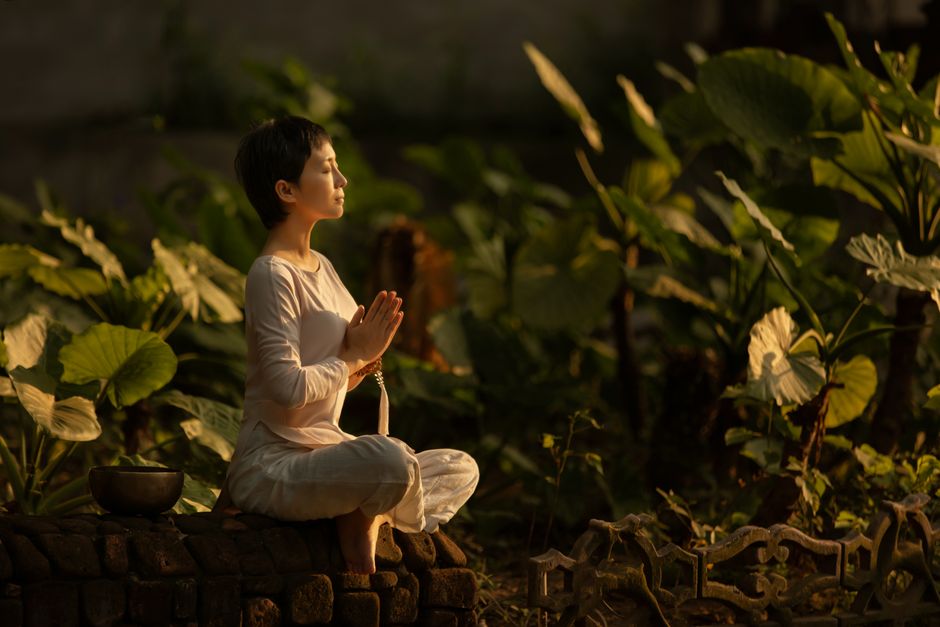
How Yoga Found Me (and why I think it might be looking for you too)
Ten years ago, yoga found its way into my life not through intention, but through desperation and what followed was a journey I never could have predicted. If you've ever tried yoga once and quietly given up, this one is for you.

The 5 Stages of Burnout: How to Know Where You Are
One of the most disorienting things about burnout is that you often don't see it coming. Not because it isn't happening, but because many of its early stages look, from the inside, like exactly the right thing to be doing.

What Biohacking Gets Wrong About Wellness: Why You Can't Optimise Your Way to Okay
Most of us turn to biohacking hoping that the right protocol will finally make us feel like ourselves again, but what if the very premise of optimising your body is part of what's keeping you stuck? This piece gently unpacks why measuring and fine-tuning can only take you so far, and what we might be missing when we treat wellness as an engineering problem.

Burnout by Emily Nagoski: The Book That Changed How I Understand Stress Cycles
Burnout, written by Emily Nagoski and her sister Amelia, published in 2019, is the book that gave me the clearest framework I've found for understanding why rest alone doesn't resolve exhaustion. Why a holiday can end and the weight return within days. Why doing less isn't always the same as recovering.
The Grace You Give Is The Grace You Get: What Missing A Yoga Class Taught Me About Being Human
Something happened to me recently that made me realise the gap between how I see the world now and how I used to see it. Not a dramatic shift. Just tiny daily movements, the kind that are available to all of us if we're paying attention.
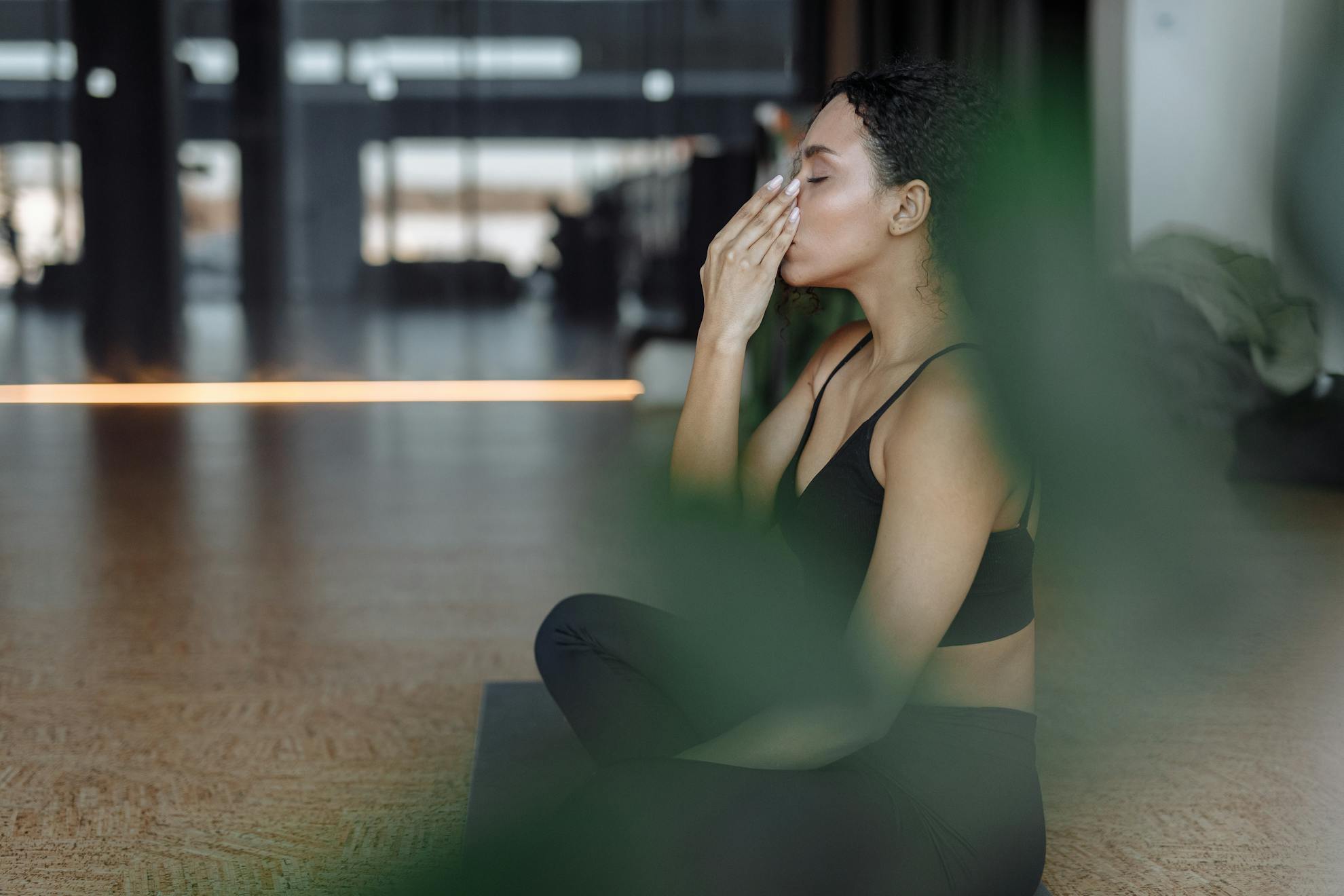
What 80 Hours Of Pranayama Training Actually Changes In Your Body
I've been fascinated with breath since I read James Nestor's book, but I was hungry for more depth than the weekend breath courses I'd seen on offer. I wanted something that could overlay my yoga teaching and meditation with ease, a training I could live inside rather than visit.
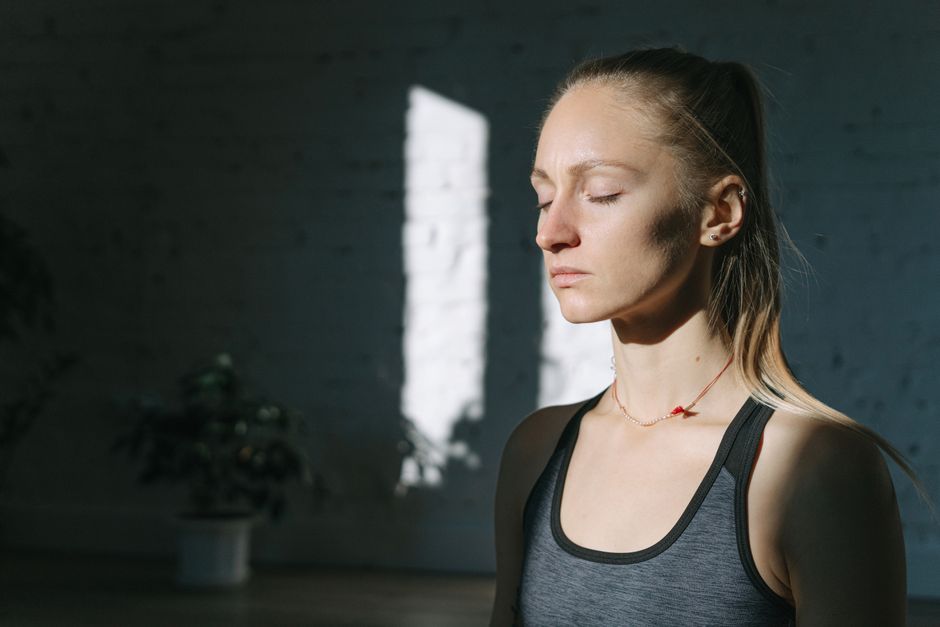
Box Breathing or Samavritti: How to Practice It and Evolve Your Technique Over Time
Discover the ancient art of box breathing, a deceptively simple practice rooted in yogic tradition that can calm your nervous system, sharpen your focus, and transform the way you move through stress. Whether you are a complete beginner or a seasoned practitioner, this guide will show you exactly how to begin and how to grow with it over time.
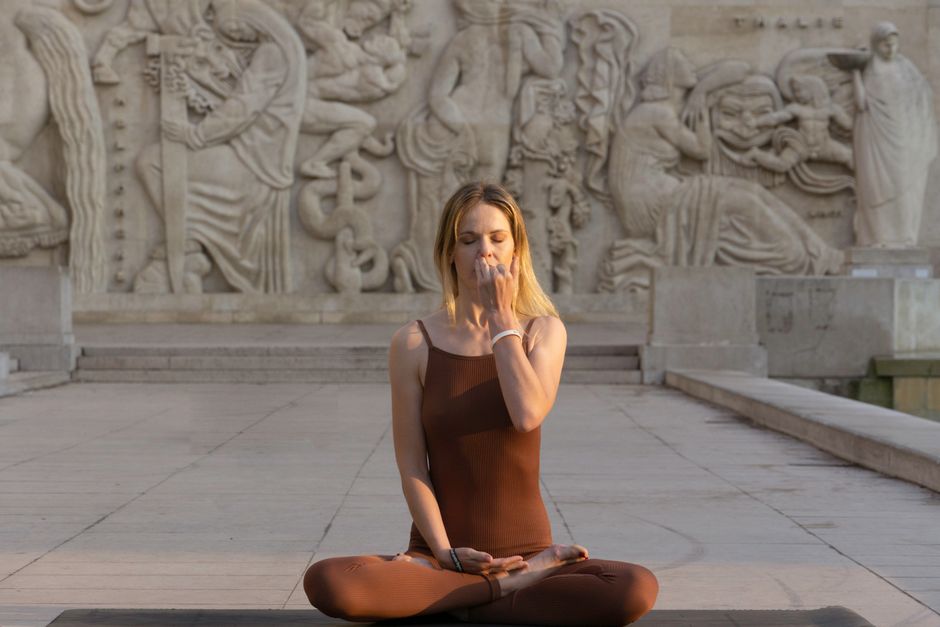
Anxiety in the Body: How to Feel It Without Being Overwhelmed
Understanding where anxiety lives in your body, and learning to work with it there, is a different and often more effective approach than trying to address it at the level of thought. Because by the time anxiety shows up as thought, it's already been present in the body for a while. The thought is often the last thing to arrive.

What's happened since I started this blog, and why I'm still here
Five years ago, I started this blog with curiosity and a half-finished manuscript. What followed changed everything, and what I discovered on the other side might just change something in you too

How Your Body's Hidden Wisdom Keeps You Balanced: The Life-Changing Science of Homeostasis
There is something happening in your body right now that you are not consciously directing. Your heart rate is adjusting. Your breathing is shifting. Hormones are being released and reabsorbed. Temperature is being regulated. Blood is being routed. All of it, simultaneously, without a single deliberate thought from you.