Breath Practice & Pranayama
18 articles

The Breathing Book By Donna Farhi: Paying Attention To The Simplest Thing Changes Everything
What if the most transformative practice you could ever discover was something you were already doing, just not fully? Donna Farhi's The Breathing Book invites you to slow down, return to yourself, and rediscover the quiet miracle that has been with you all along.
More in Breath Practice & Pranayama
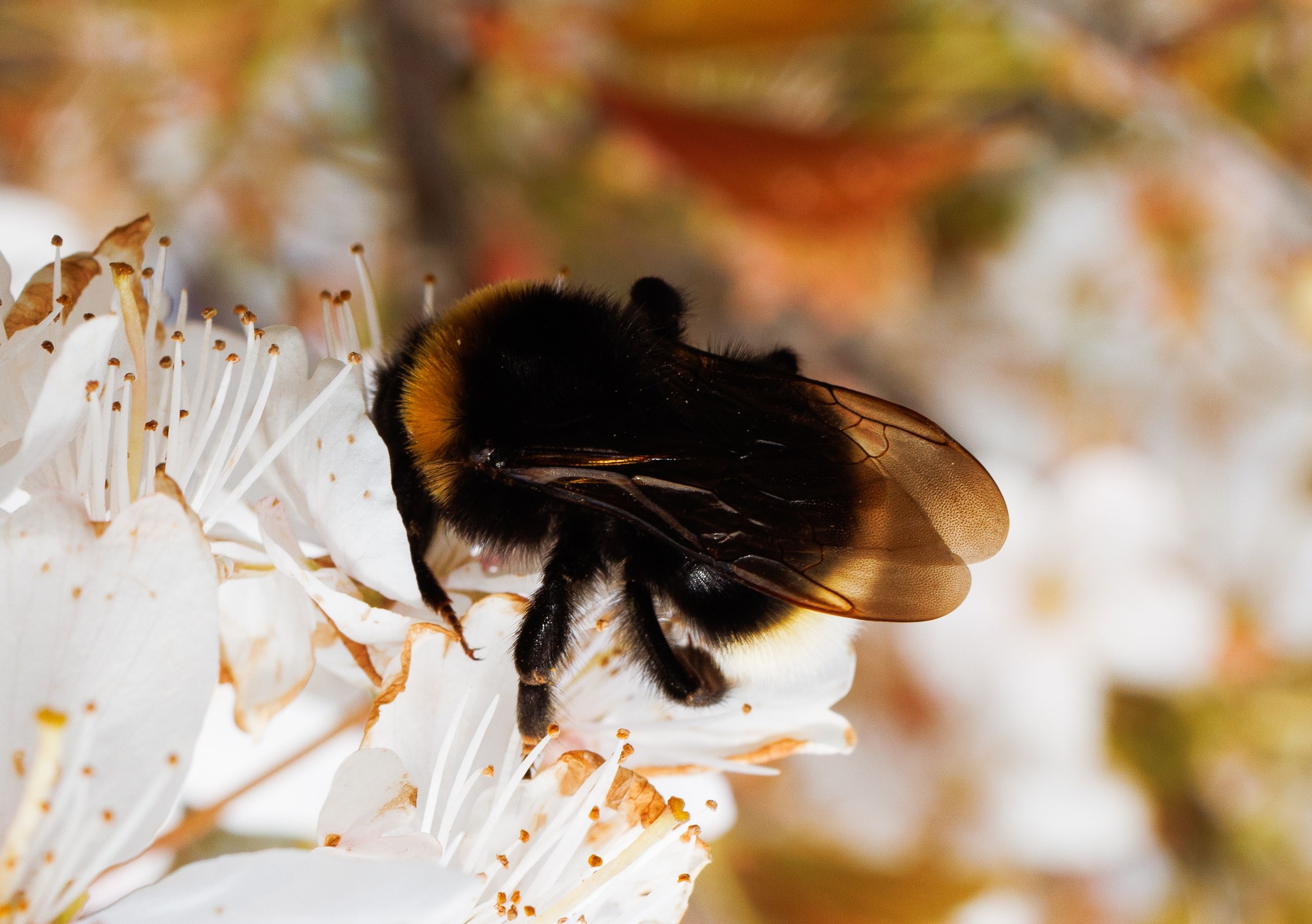
Bhramari: The Ancient Humming Practice Your Nervous System Has Been Waiting For
Bhramari, the ancient humming bee breath, is one of the most immediate and underestimated tools available for a nervous system in overdrive and once you understand why it works, you may never reach for anything else first.
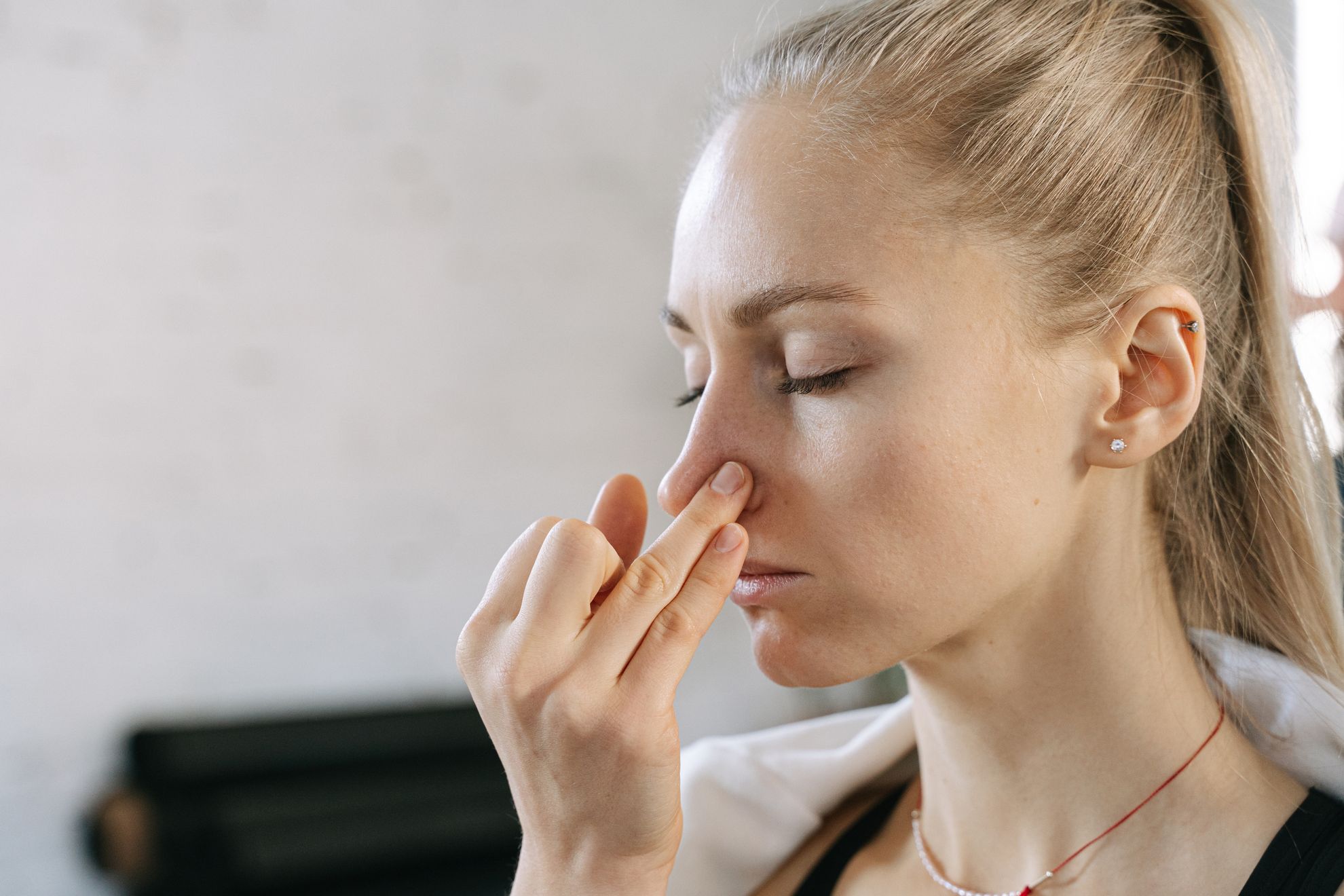
Nadi Shodhana: The Alternate Nostril Breath For Balance And Calm
There are breath practices I reach for when I need to calm down quickly, and there are breath practices I reach for when I want to feel genuinely balanced, not just less activated but actually clear. Nadi Shodhana is firmly in the second category.

The Lengthened Exhale: The Simplest Nervous System Reset You'll Ever Learn
Your exhale holds more power than you might realise and once you understand the simple science behind why a longer breath out can reset your entire nervous system, you'll never think about breathing the same way again.
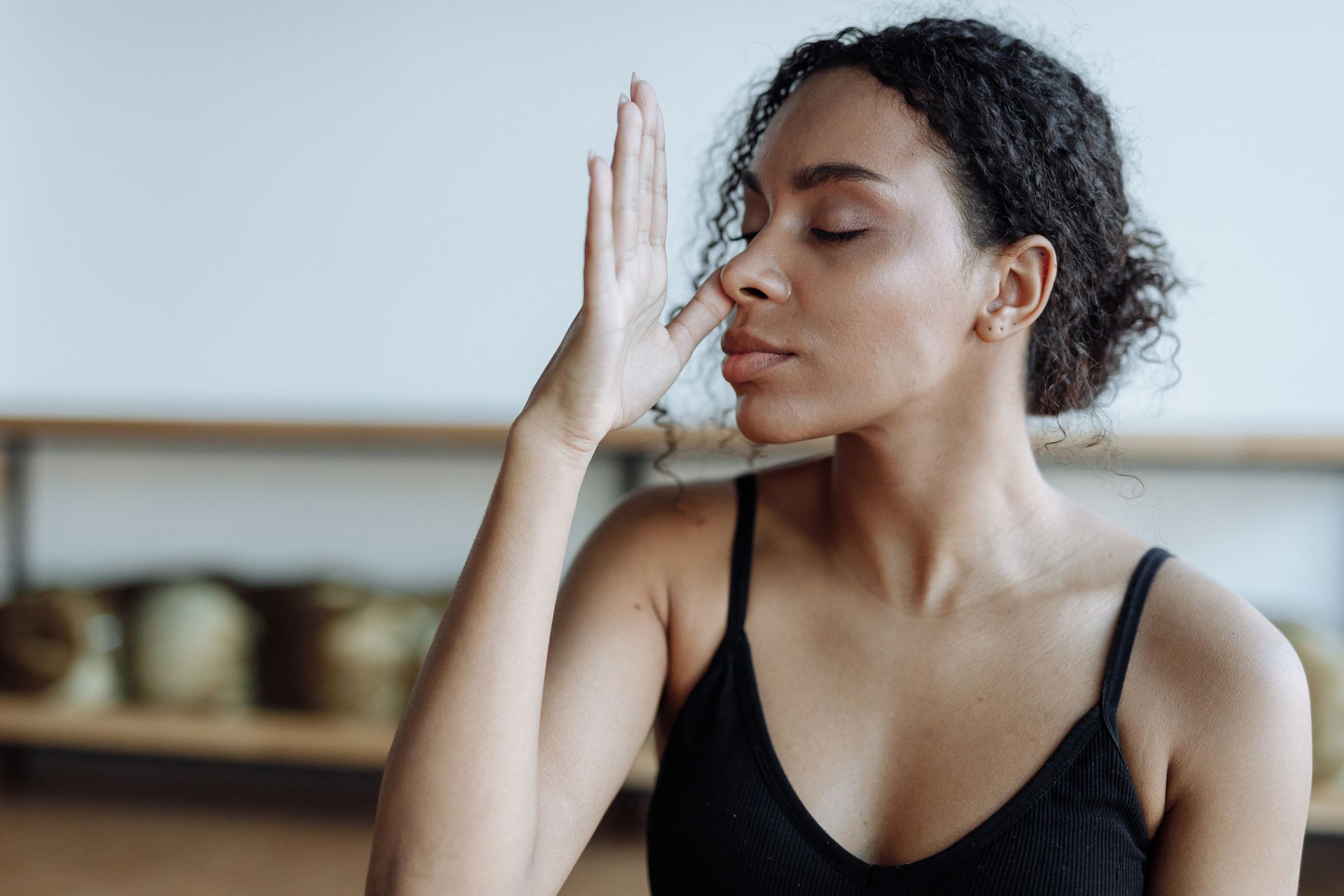
What Is Pranayama? The Ancient Science of Breath and Why It Matters Now
Long before modern science had the tools to measure it, ancient yogic practitioners had already mapped the profound relationship between breath and human wellbeing and what they discovered is more relevant to our stressed, distracted lives than ever. Dive into the world of pranayama and find out why this 5,000-year-old science of breath might be exactly what you've been missing.
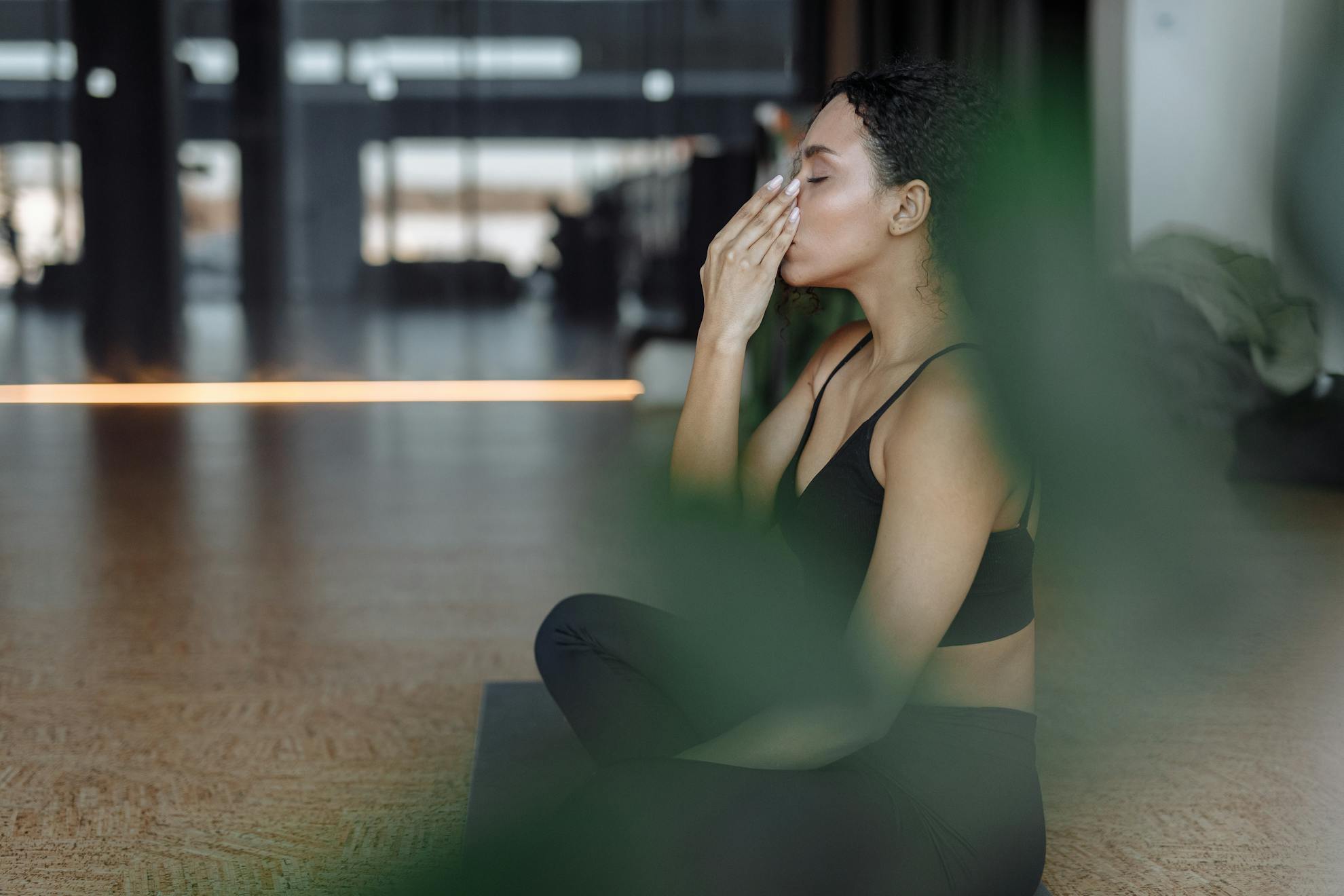
What 80 Hours Of Pranayama Training Actually Changes In Your Body
I've been fascinated with breath since I read James Nestor's book, but I was hungry for more depth than the weekend breath courses I'd seen on offer. I wanted something that could overlay my yoga teaching and meditation with ease, a training I could live inside rather than visit.
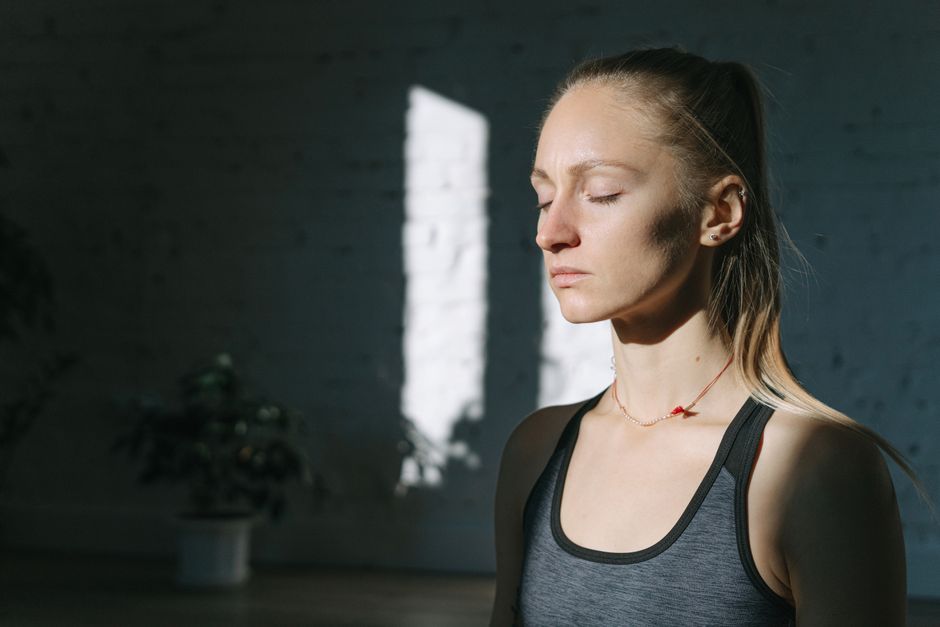
Box Breathing or Samavritti: How to Practice It and Evolve Your Technique Over Time
Discover the ancient art of box breathing, a deceptively simple practice rooted in yogic tradition that can calm your nervous system, sharpen your focus, and transform the way you move through stress. Whether you are a complete beginner or a seasoned practitioner, this guide will show you exactly how to begin and how to grow with it over time.
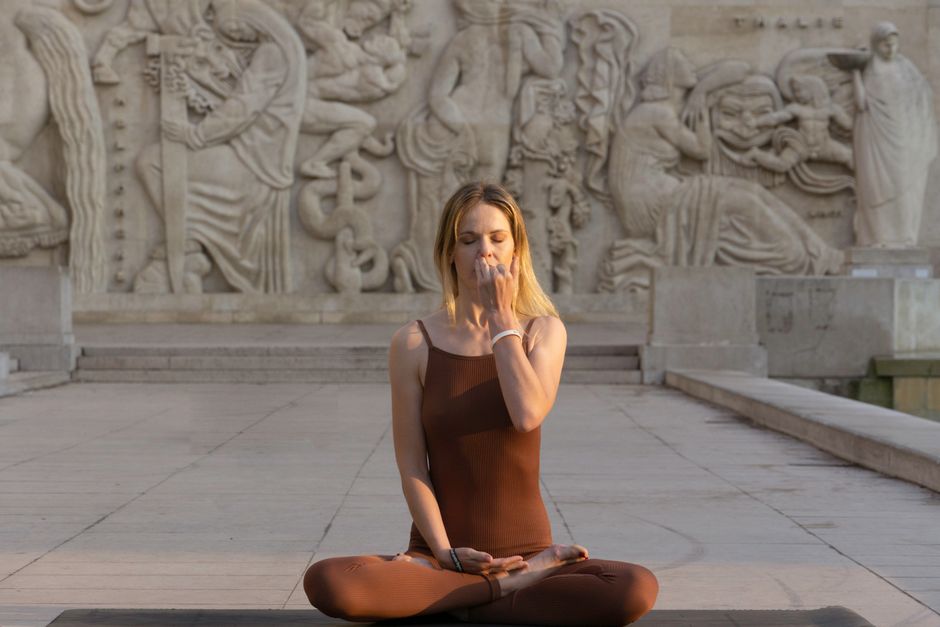
Anxiety in the Body: How to Feel It Without Being Overwhelmed
Understanding where anxiety lives in your body, and learning to work with it there, is a different and often more effective approach than trying to address it at the level of thought. Because by the time anxiety shows up as thought, it's already been present in the body for a while. The thought is often the last thing to arrive.
Meditation Myths Debunked: How to Actually Begin (Or Begin Again)
I have lost count of how many people have told me they can't meditate. Sometimes they say it with a kind of proud resignation, I've tried, I'm just not that kind of person. Sometimes, with a frustration that suggests they genuinely wanted it to work. Sometimes with a faint embarrassment, as though they've failed at something that seems to come easily to everyone else.
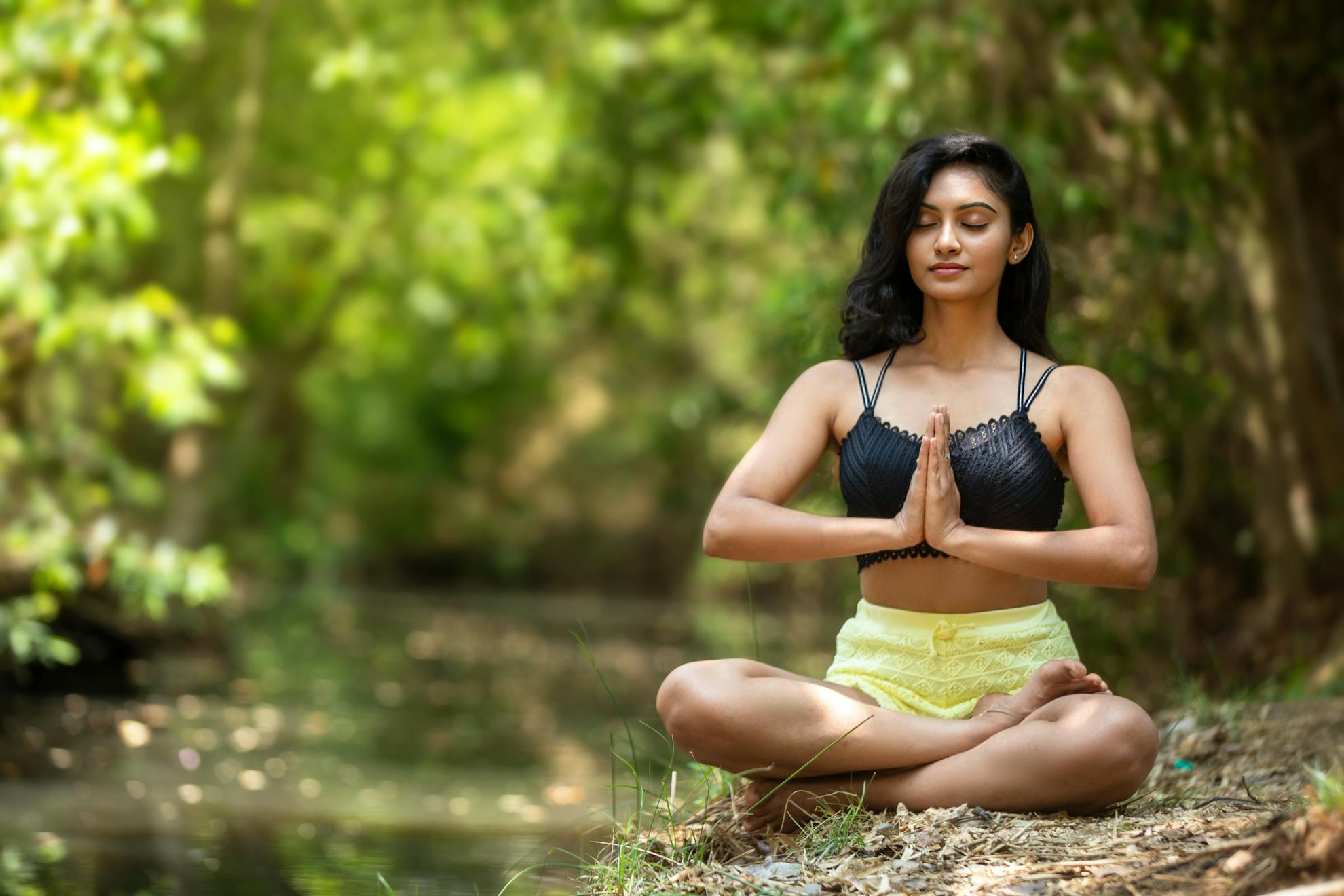
Yoga: Unlocking the Inner Technology of Consciousness
We often think of technology as something external, built, coded, controlled. Yet long before the hum of machines and the glow of screens, there existed another kind of technology: one that required no devices, only awareness. Ancient yogis discovered that within each of us lies an intricate network, a system of energy, emotion, and intelligence, capable of profound transformation when we learn how to access it.
Meditations as Portals: Shifting the Mind, Soothing the Body
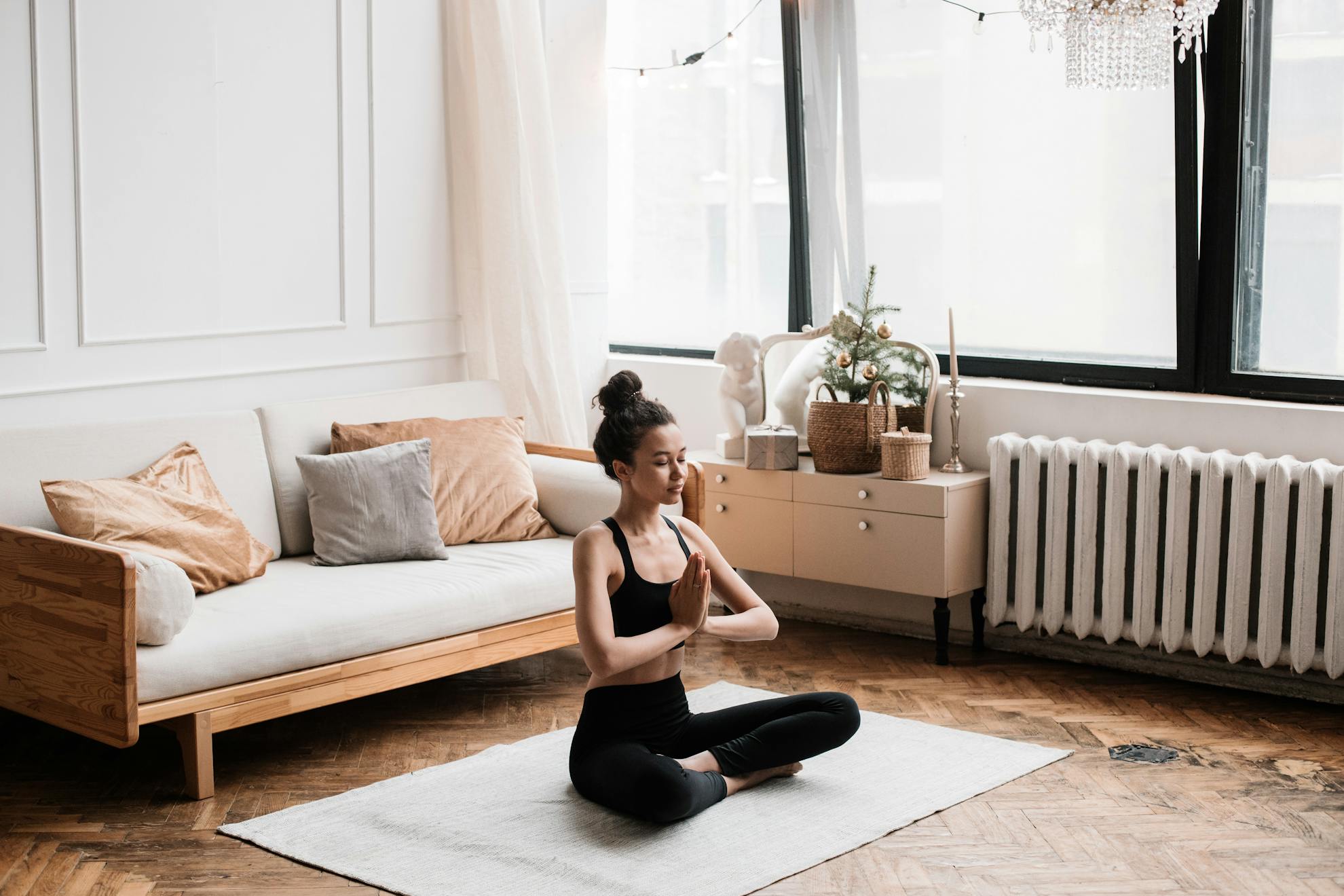
We spend much of our lives replaying the past, thoughts become familiar, feelings become habitual, and the body begins to live in cycles of memory. What feels like “just the way things are” is often simply a loop of remembered emotions.
Yoga as a Framework for Wholeness
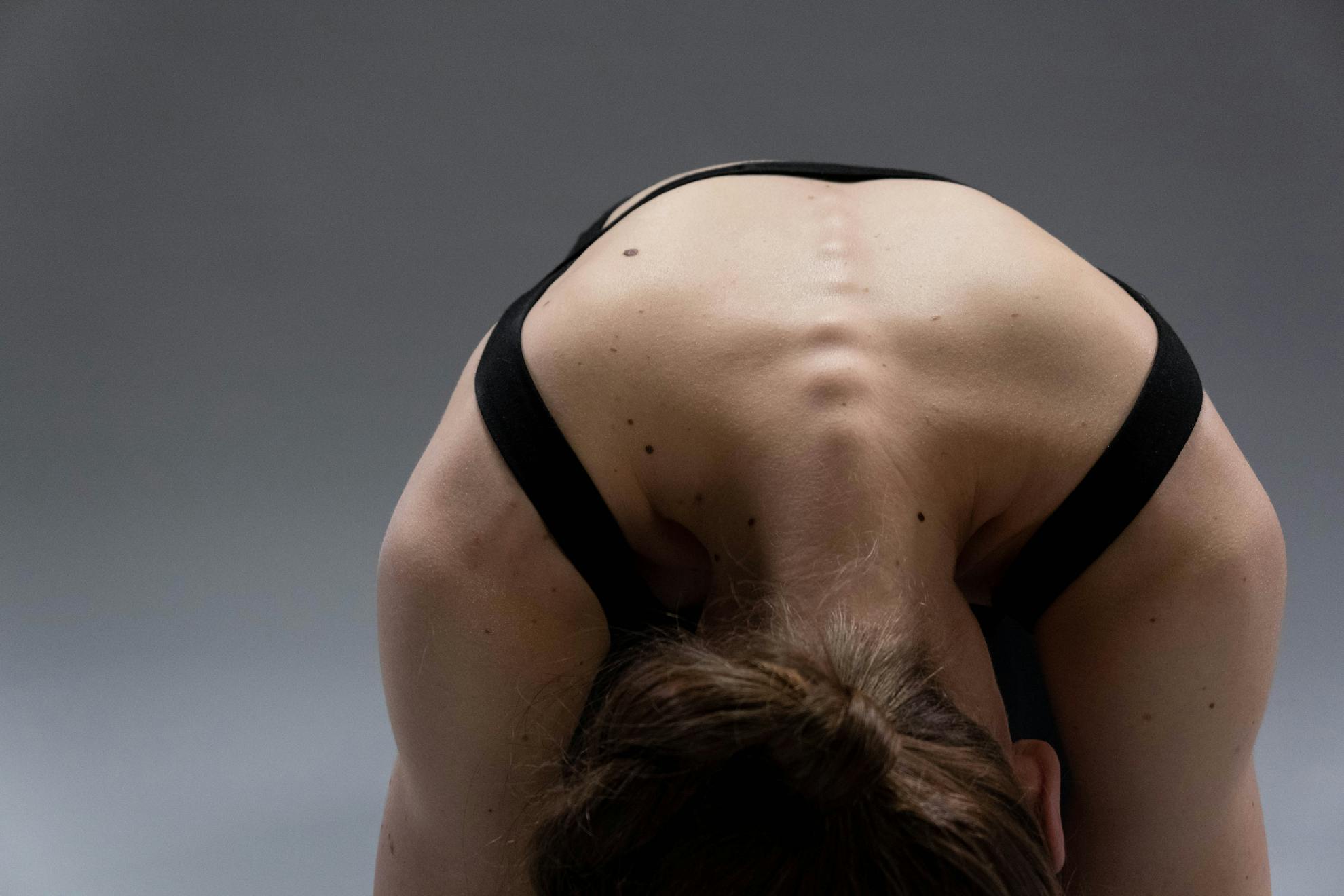
Yoga has always been more than movement. Long before it became a practice of postures, it was described in the ancient texts as a complete framework for living with steadiness and clarity. The Yoga Sūtras of Patañjali remind us: “Yoga is the stilling of the fluctuations of the mind.” (Yoga Sūtras I.2)
Everyday Moments That Are Yoga (Without You Realising)
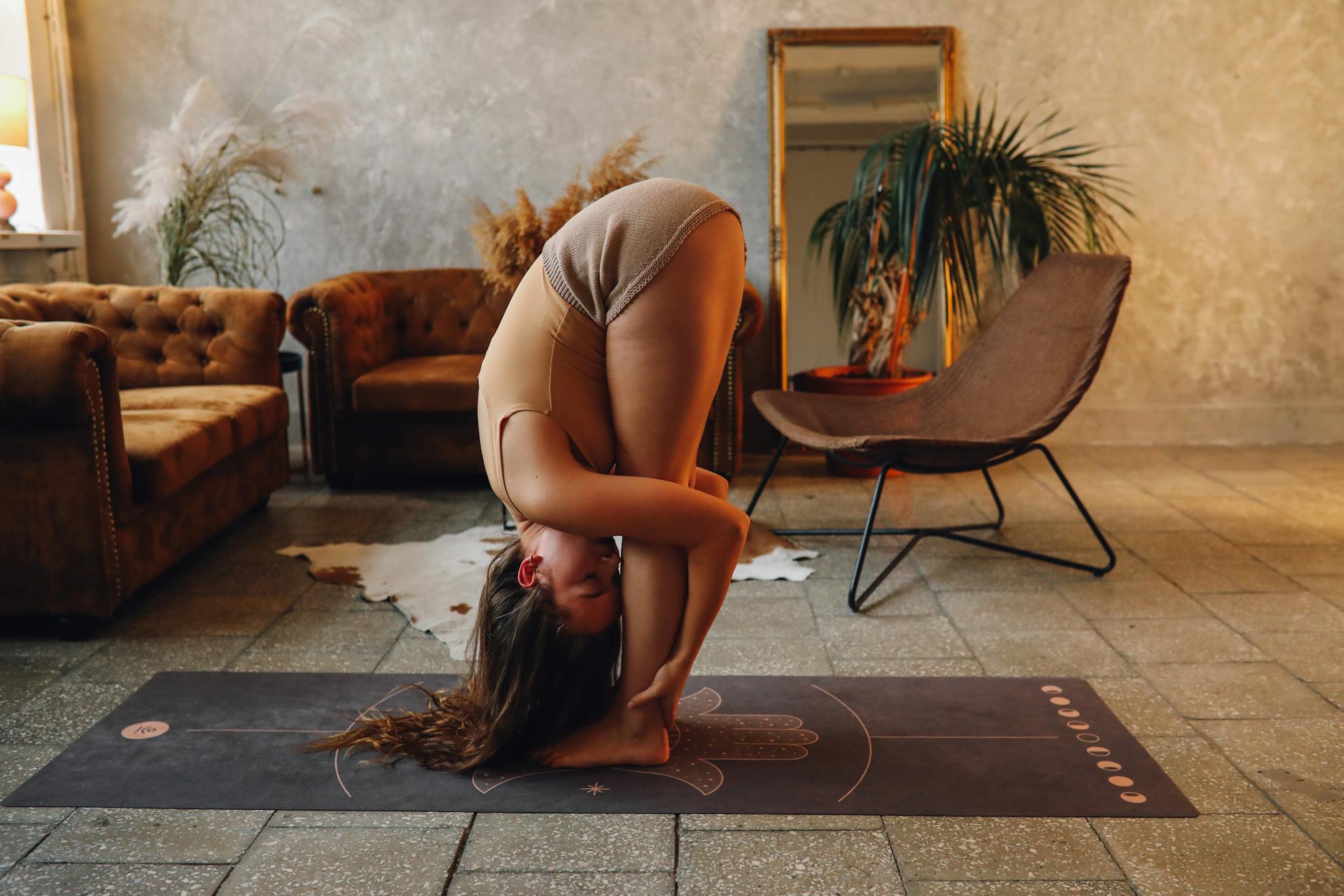
Yoga is often thought of as postures on a mat or quiet studio time. Yet the ancient texts describe it far more broadly, as a framework for cultivating steadiness, awareness, and presence in every aspect of life. The Yoga Sūtras tell us:

How You Can Build a Nervous System-Supportive Routine
A personal guide to tuning in, slowing down, and finding your way back to yourself. There’s no one-size-fits-all when it comes to nervous system support. It’s not about following a strict wellness checklist or chasing perfection; it’s about tuning into your own rhythms, your own seasons, and your own signals.
The Power of Breath, James Nestor's Book Breath
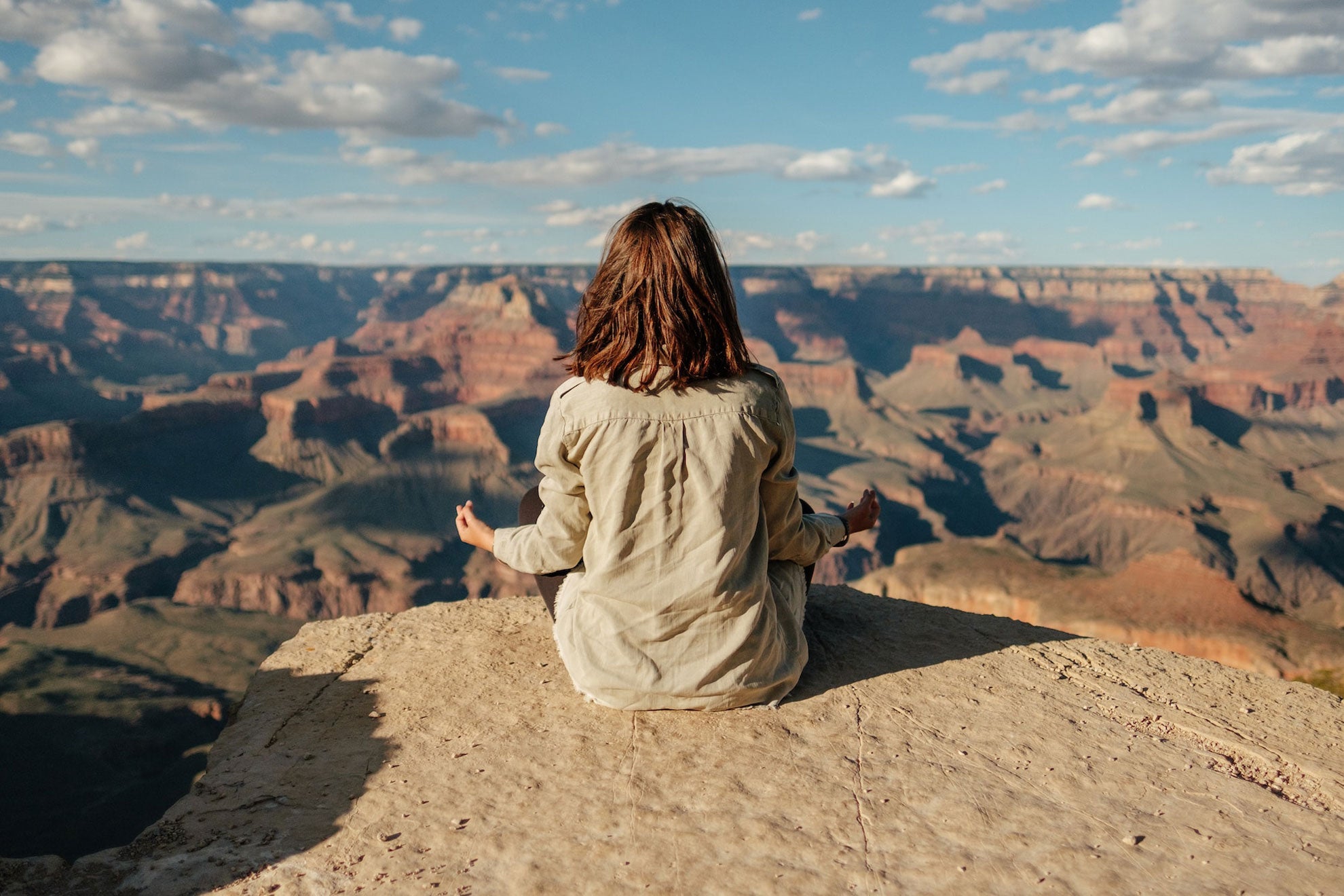
James Nestor’s book called Breath. Within the first few pages I was second guessing everything I thought I had experienced with my yoga, breath-work and using it to improve my running. As with all ideas they’ll develop over time as more focus, education or facts come to light. I couldn’t put this book down.

10 Gentle Shifts for a Happier, Healthier Home
A sanctuary is not a place, but a feeling you can cultivate. Our homes are an extension of our nervous systems; what we surround ourselves with, breathe in, listen to, and look at daily plays a direct role in how we feel. When your space is calm, intentional, and aligned with your needs, your mind and body can begin to relax into a deeper state of rest and ease.
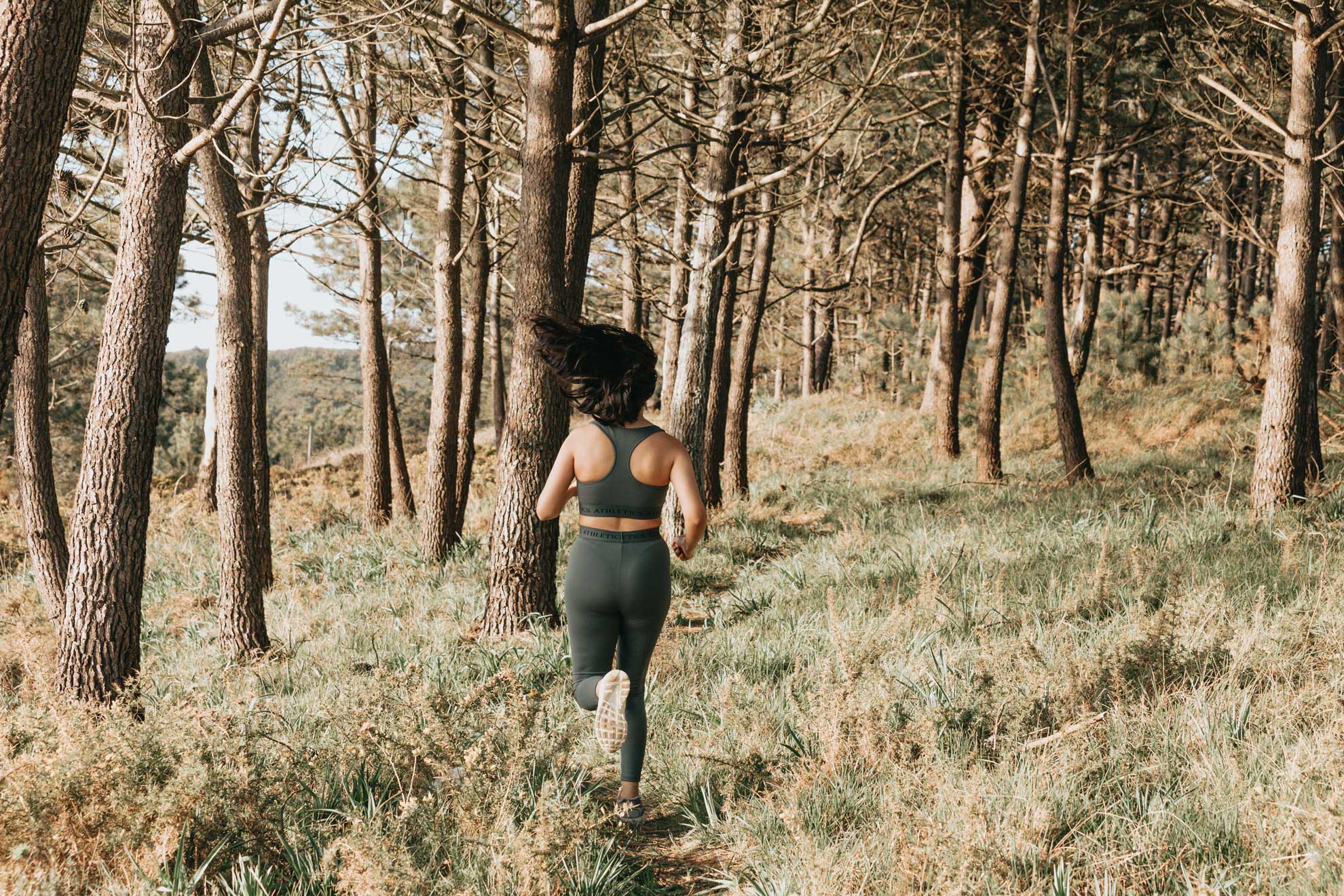
How Breathwork & Yoga Helped me be a Better Runner
The breathwork I learned in Yoga gave me control and understanding of breathing that I had never been taught. I know that sounds silly but our bodies do so much for us automatically, and many of us are never shown how to control our breath, to control our bodies. An understanding of the combination and how they work together was never something I was aware of.

You’re Already Helping: Finding Peace in Imperfect Climate Action
Wellness begins with how we treat ourselves — not just on the good days, but especially when the world feels overwhelming. Right now, the news is heavy: a global pandemic, wildfires across continents, and an ever-growing sense of ecological urgency. It’s a lot to carry. And while fear is a valid emotional response, it doesn’t have to be where we stay.