The first time I experienced a sound bath, I didn't quite know what to do with myself.
I lay there, watching the ceiling, waiting for something to happen and then frustrated with myself for waiting, because wasn't I supposed to just... let go?
Sound healing has a bit of an image problem for the uninitiated. It can seem like the most passive experience imaginable. You lie down. Someone makes noise. You're supposedly transformed.
But there is far more nuance to it than that. And one of the best doorways I've found into the real depth of sound healing is through the yoga class you're already attending.
The body needs to learn to receive
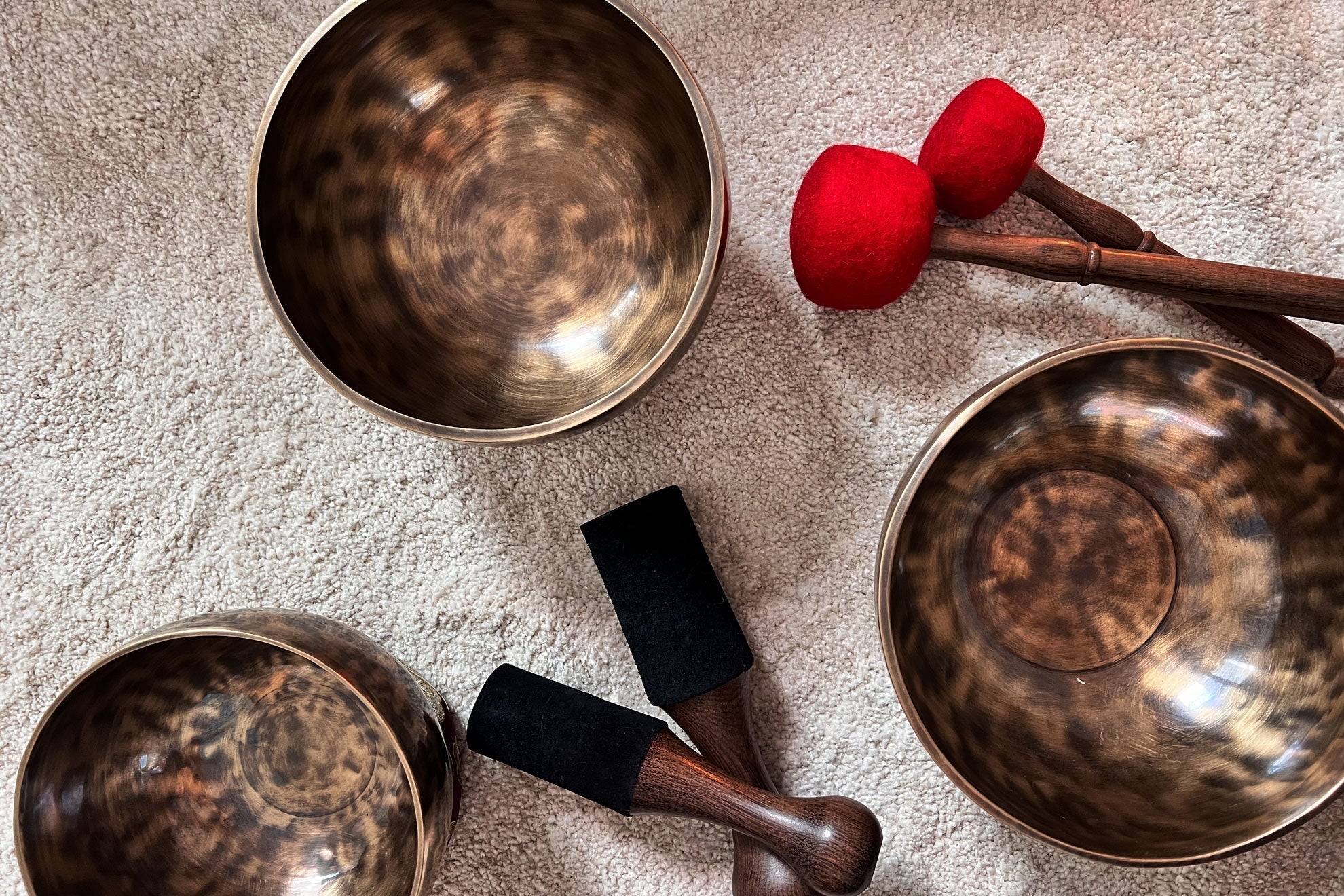
Here's what I've observed, in my own body and in students' bodies, over years of practice: the nervous system is not neutral territory. It has a history. And a history of being in high-alert mode doesn't simply reverse because someone has brought a singing bowl into the room.
The body needs to learn that sound is safe. That vibration is nourishing. That it's allowed to soften around something unfamiliar.
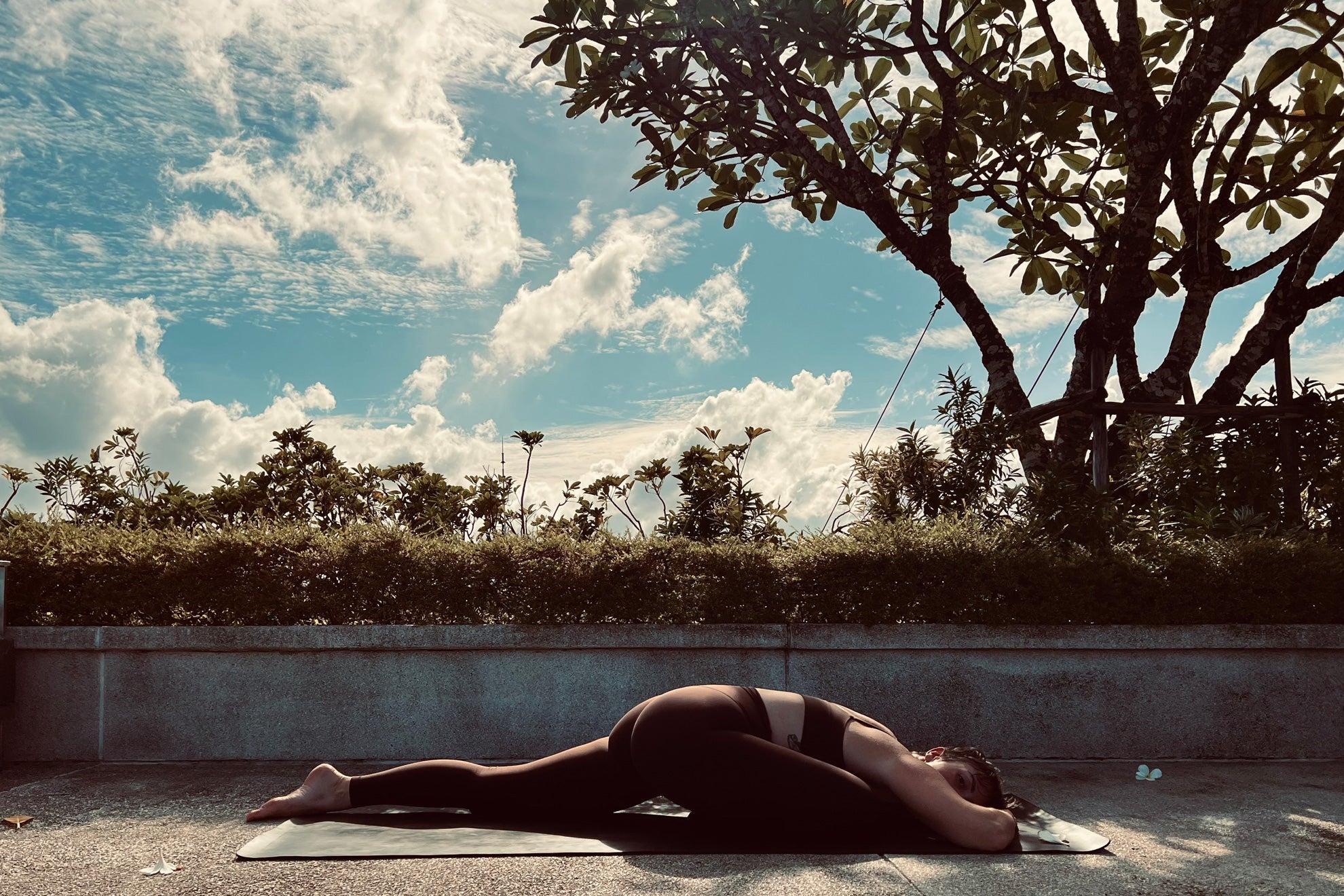
When sound healing is woven into a yoga class, at the beginning as an anchoring, during restorative holds, or in savasana, something important happens. The tones arrive inside a context the body already knows. The breath is already slowing. The nervous system is already beginning to downregulate. The physical practice has done its work.
And so the sound lands differently.
Familiarity as a gateway
There is something powerful about knowing what is coming.
In a standalone sound bath, beautiful and profound as they are, there can be an element of the unknown that keeps a part of the mind engaged. Watching. Waiting. What will happen next?
But when the tones have been part of your practice for weeks, the body begins to recognise them. It starts to soften towards them the way you soften towards the closing sequence of a class you know by heart. The anticipation becomes a kind of permission.
Oh, this. I know this. I can go deeper here.
The surprise factor, one of the things that keeps the nervous system watchful, reduces. The integration deepens. The experience becomes richer.
What you might start to notice
If you begin to work with sound healing inside your yoga practice, you may notice: a faster arrival into stillness during savasana. A greater sensitivity to the tones, the way different frequencies seem to land in different parts of the body. A growing curiosity about what a dedicated sound bath might feel like, now that your body has begun to trust the experience.
This is the gateway. The yoga class is the preparation.
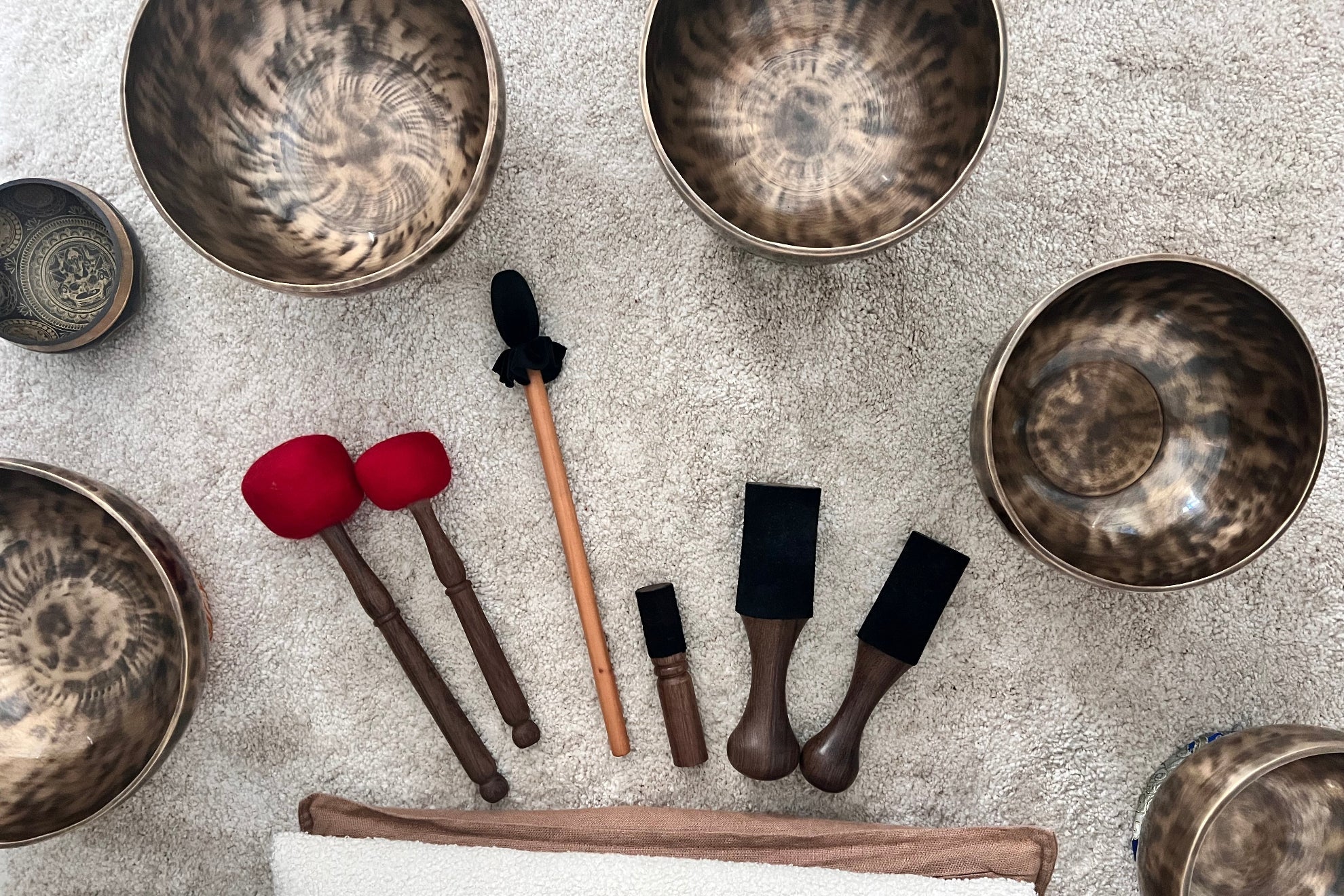
And when you do eventually step into a full sound bath, lying in a room held by bowls and gongs and the particular silence that exists between notes, you'll find yourself already at home.
An invitation
I incorporate sound healing into my yoga classes, not as a performance, but as a practice. As a way of giving the body something it often doesn't know it needs until it receives it.
If you've been sound-curious but not quite ready to commit to a full experience, this is the gentlest possible way in.