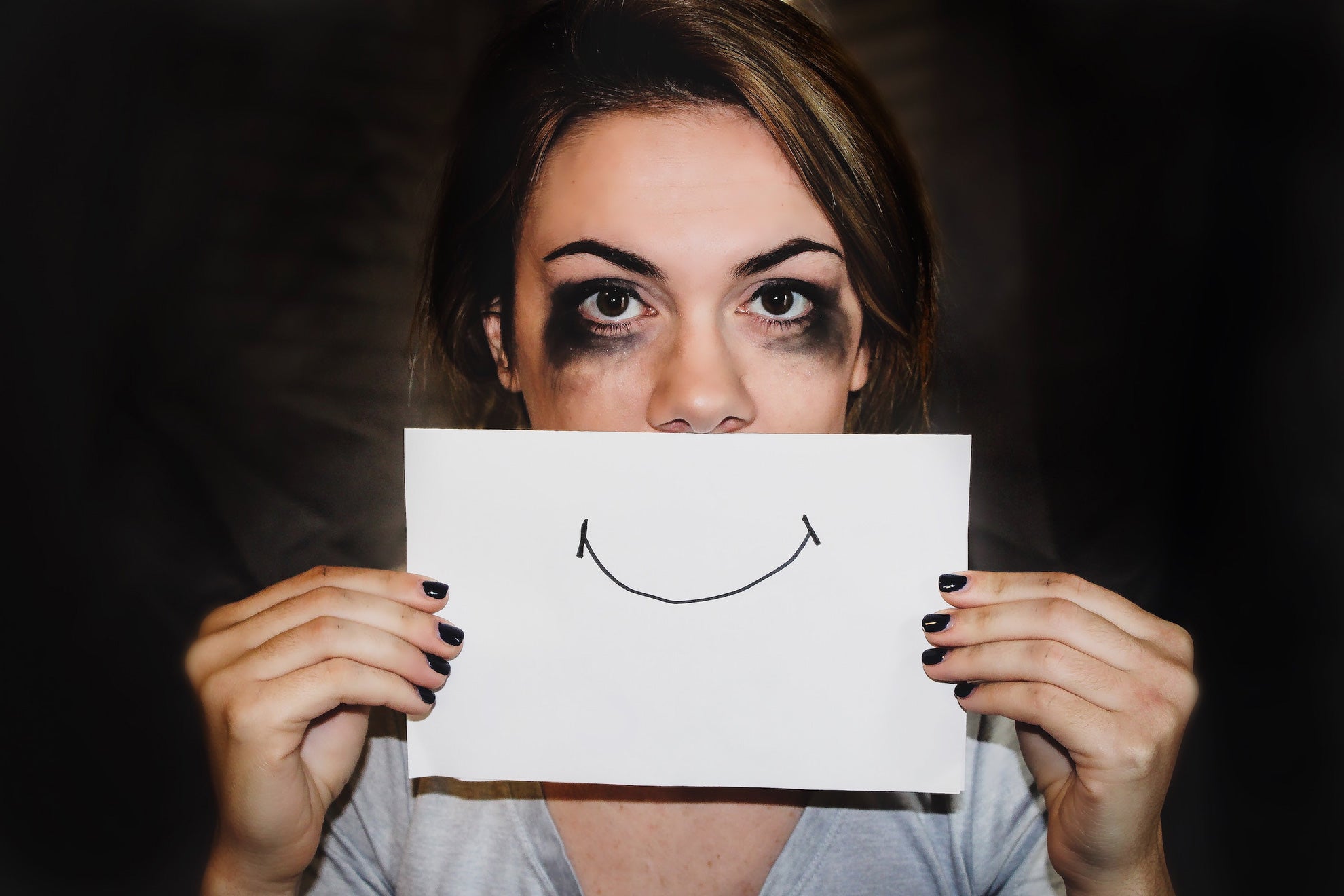

At some point, most people who are burning out try the same thing: they rest. They take a holiday, or a long weekend, or they clear the diary for a week and sleep and do not much of anything and wait for the recovery that is supposed to follow. And sometimes it helps, a little, briefly. But then Monday arrives, and the heaviness returns faster than it should, and they are back to sitting in the question of whether they are actually recovering or whether they have just been not working for a few days.
Rest is necessary for recovery from burnout. But rest alone is not sufficient, and understanding why changes what you actually need to do about it.
What burnout actually is
Burnout is not simply tiredness. It is not the result of working too hard. It is the result of a stress cycle that hasn't been completed, of sustained activation without the discharge and recovery that would allow the nervous system to return to baseline.
Researchers Emily and Amelia Nagoski, in their book Burnout, draw a useful distinction between the stressor and the stress response. The stressor is the thing causing the stress: the workload, the difficult relationship, the impossible situation. The stress response is the physiological state the body enters in response to the stressor: the activation of the sympathetic nervous system, the flood of stress hormones, and the mobilisation of the body for action.
These are two different things. And critically: removing the stressor does not automatically complete the stress response. The body doesn't know the threat has passed just because it's no longer in front of you. It needs to receive that information through its own channels, through movement, through connection, through genuine discharge of the accumulated activation.
Burnout, in this framework, occurs when the stress response runs chronically without resolution. The body is stuck in a loop of activation that never fully closes.
The World Health Organisation definition
The WHO formally recognised burnout as an occupational phenomenon in 2019, describing it through three dimensions: emotional exhaustion (the depletion of emotional resources), depersonalisation or cynicism (a detachment from work and the people in it), and a reduced sense of personal efficacy (the feeling that what you're doing doesn't matter or isn't working).
These three dimensions are worth understanding as a spectrum rather than a checklist. Most people enter burnout through emotional exhaustion first: the depletion that comes from giving more than is being replenished. The cynicism and the loss of efficacy tend to follow, as the depleted system begins to protect itself.
Why rest doesn't fix it
Because rest, in the modern sense of stopping activity, watching television, lying in the sun, is not the same as completing the stress cycle.
The stress response, as the Nagoskis explain, was designed for a world in which threats required physical resolution: you ran from the predator, you reached safety, the exertion of the running helped discharge the physiological activation, and your body received the physical signal that the threat was over. The whole cycle is completed.
Most modern stressors don't resolve this way. The difficult meeting doesn't require running. The email you're dreading doesn't require a physical response. You sit with the activation, contained, managed, functional, and then you go home and sit with it some more, and the physiological state that the stress response produced doesn't get discharged. Rest doesn't discharge it. Sleep doesn't always discharge it. The body stays braced.
This is why people on holiday find themselves finally crying on day three, when they've rested enough that the managed surface has softened and the accumulated activation underneath has somewhere to go. That's not the holiday making things worse. That's the stress cycle, finally finding a path to completion.
What actually completes the cycle
Movement is the most reliable and evidence-supported way to complete the stress cycle. Not necessarily intense exercise, rhythmic, whole-body movement of any kind gives the body the experience of physical action that the stress response was preparing it for. The exertion tells the body: "You ran; you're safe."
Connection with others, real, present connection, not scrolling through other people's lives, is another powerful cycle-completer. Humans are social animals whose nervous systems co-regulate. The felt sense of safety in the presence of a trusted person communicates directly to the nervous system in a way that solitude and rest alone don't.
Physical affection, being held, and being embraced release oxytocin and have measurable effects on cortisol levels and nervous system state. Crying, it turns out, is also a completion mechanism: a physiological discharge process that the body initiates when activation has nowhere else to go. Laughter works similarly.
Creative expression, meaningful engagement, and experiences of awe, standing at the edge of something vast, all have documented effects on the nervous system's stress response.
The common thread is not calm. It is completion. Not the suppression of activation but its genuine discharge.